 EN
EN

ब्लॉग
-
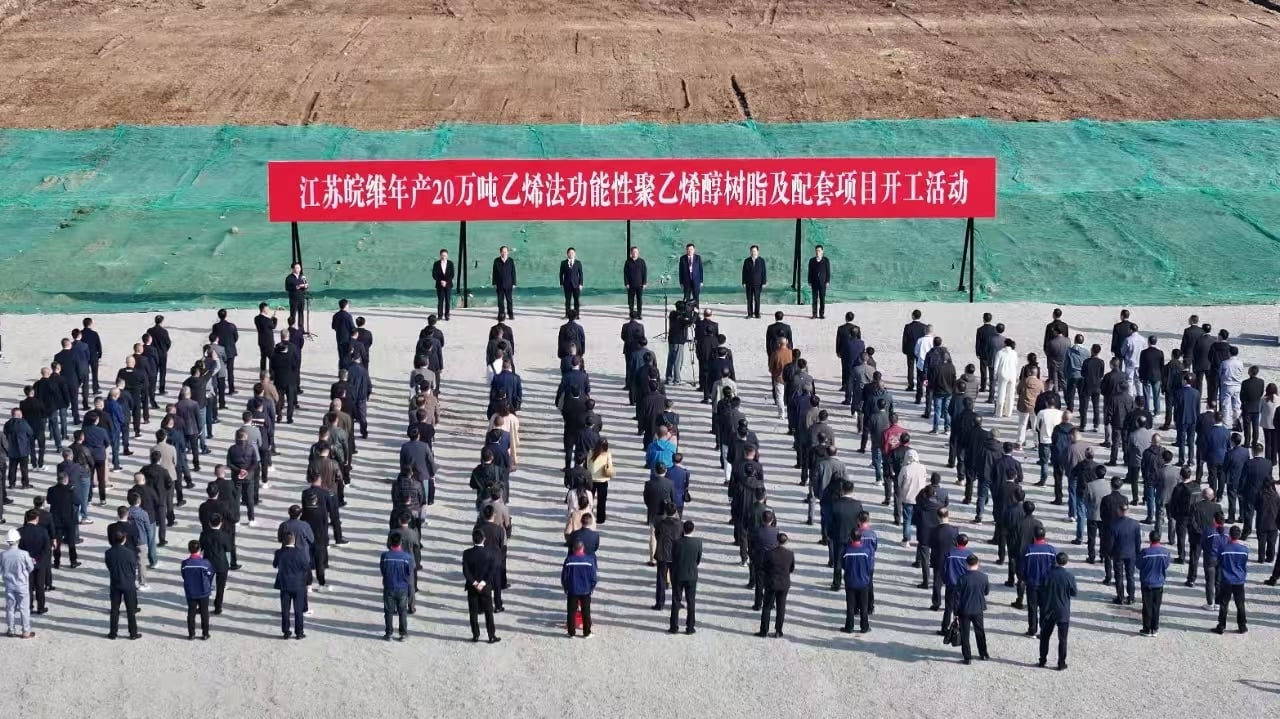
गुआंगज़ौ मिनवेई को जिआंगसु वानवेई के वार्षिक 2 लाख टन एथिलीन-आधारित कार्यात्मक पॉलीविनाइल अल्कोहॉल राल और सहायक परियोजनाओं के शिलान्यास समारोह में भाग लेने के लिए आमंत्रित किया गया था
16 नवंबर को, हमारी कंपनी के महाप्रबंधक झांग चुनहाओ, उप-महाप्रबंधक चेन काइशु और बिक्री निदेशक झेंग चेंगकी को जिआंगसु वानवेई के वार्षिक 2 लाख टन एथिलीन-आधारित कार्यात्मक पॉलीविनाइल अल्कोहॉल राल परियोजना के शिलान्यास समारोह में भाग लेने के लिए आमंत्रित किया गया था
Nov. 17. 2025 -
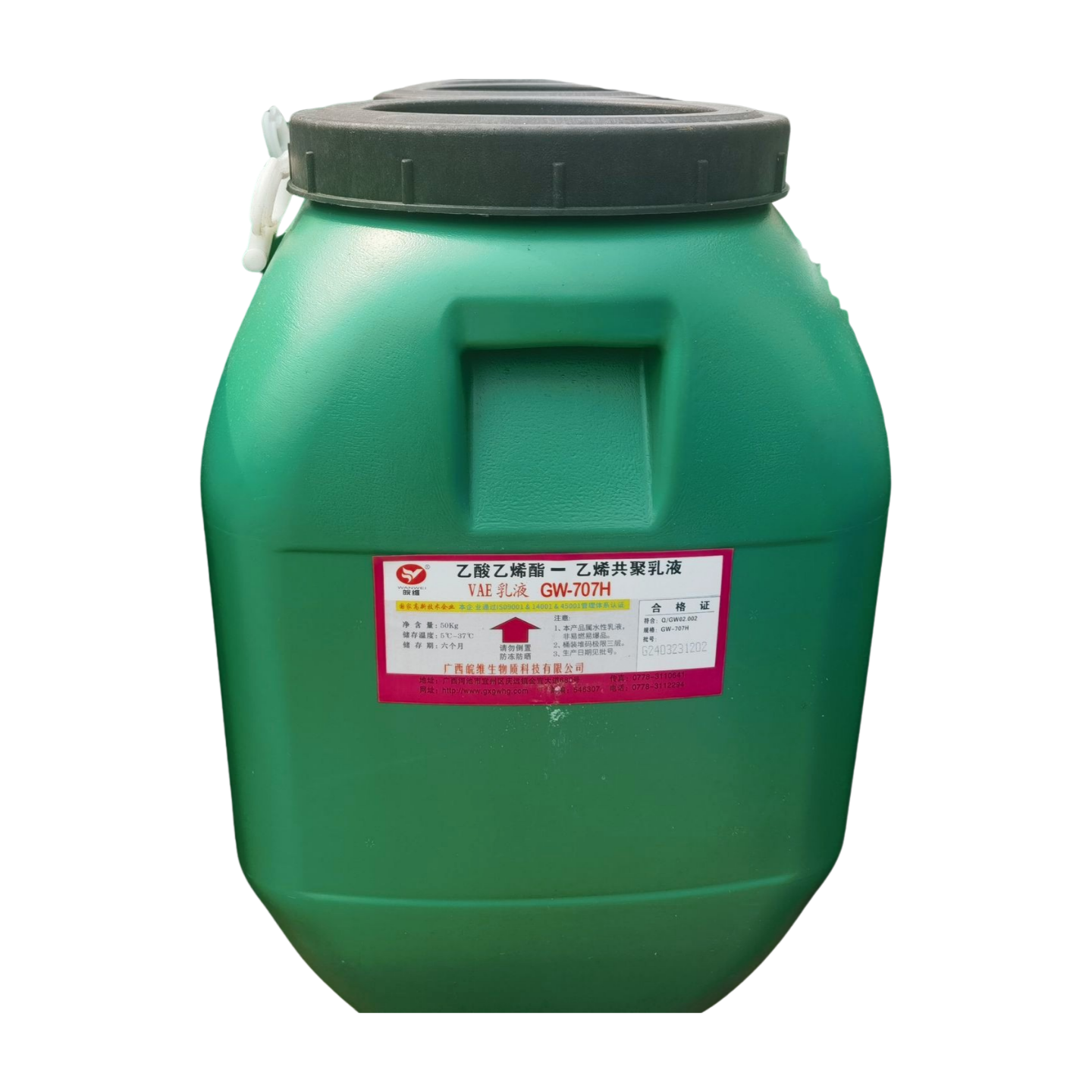
कोटिंग्स की सुखाने की गति पर VAE का प्रभाव
औद्योगिक अनुप्रयोगों में सुखाने की दक्षता और लेपन स्थायित्व में सुधार में VAE की भूमिका का पता लगाएं। यह लेख लेपन प्रणालियों में VAE और PVA के तंत्र, कांच संक्रमण तापमान के प्रभाव और पर्यावरणीय प्रभाव के बारे में गहराई से जानकारी देता है।
Jul. 18. 2025 -
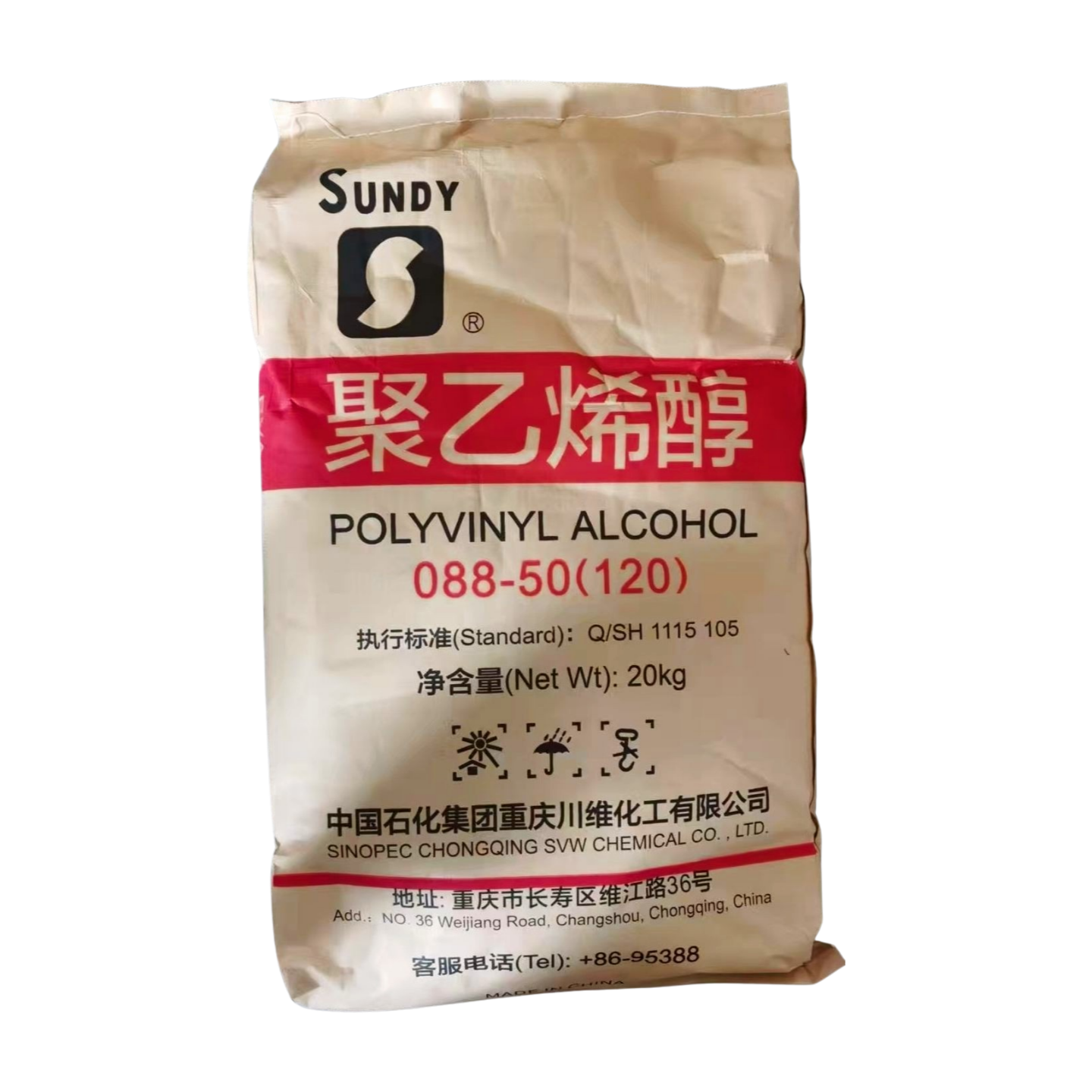
पीवीए 2488: कठोर पैकेजिंग मानकों की मांगों का समाधान
जानें कि PVA 2488 आधुनिक पैकेजिंग मानदंडों को कैसे पूरा करता है, जिसमें पर्यावरण सहिष्णुता, नवाचारपूर्ण सामग्री के गुण और वैश्विक बाजारों के लिए समाधान शामिल हैं। इसकी FDA और EU नियमों का पालन, इसकी जैव विघटनशीलता और बदलती पैकेजिंग नियमों के खिलाफ भविष्य-साबित रणनीतियों के बारे में जानें।
Jun. 25. 2025 -
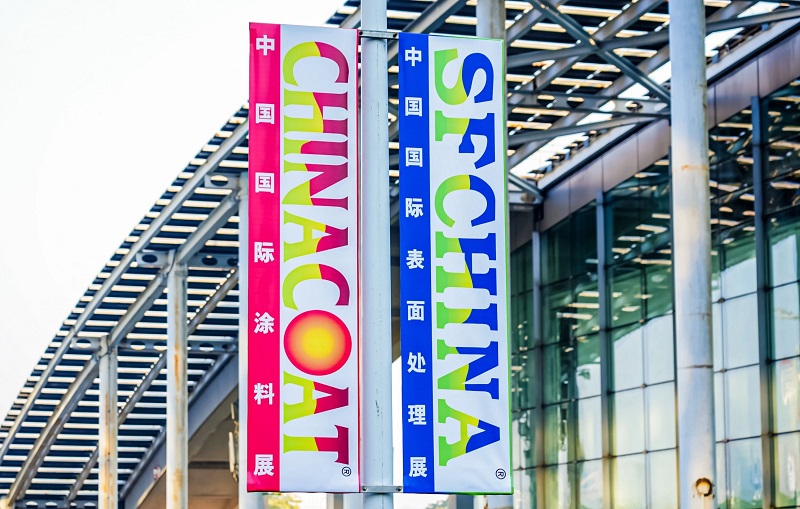
हमारी कंपनी ने चीन इंटरनेशनल कोटिंग्स प्रदर्शनी (CHINACOAT2024) में भाग लिया
2024 चीन की राष्ट्रीय कोटिंग्स प्रदर्शनी (CHINACOAT2024) 3 दिसंबर से 5 दिसंबर तक गुआंगज़ौ में आयोजित की गई। कोटिंग्स उद्योग के लिए एक वैश्विक अवसर के रूप में, 1996 से प्रदर्शनी उद्योग की सेवा में लगी हुई है। यह बारी-बारी से...
Dec. 09. 2024 -
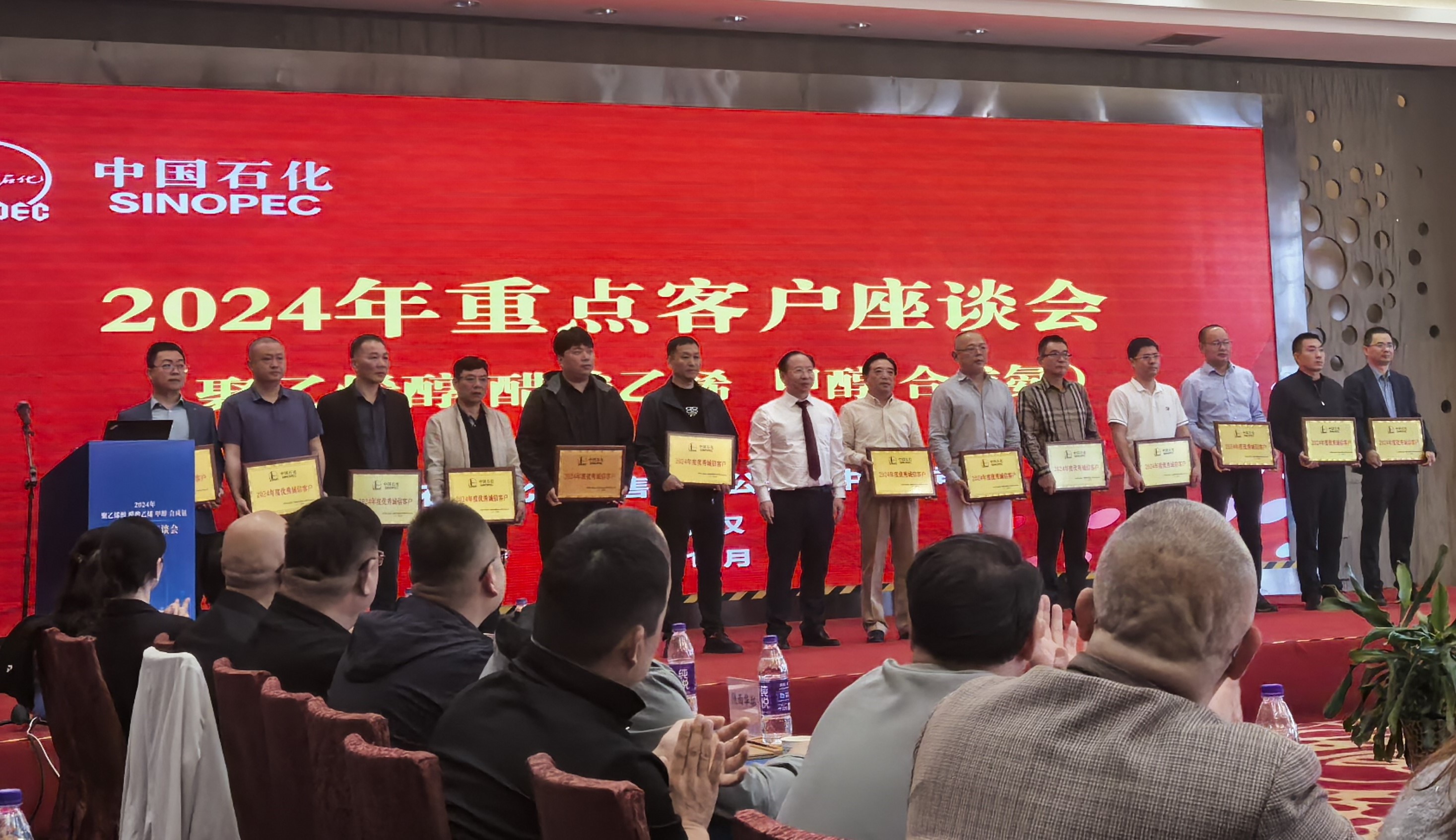
हमारी कंपनी को 2024 के लिए साइनोपेक द्वारा 'उत्कृष्ट ईमानदार ग्राहक' का शीर्षक प्रदान किया गया है!
हमारी कंपनी को वर्ष 2024 के लिए सिनोपेक द्वारा "उत्कृष्ट अखंडता ग्राहक" की उपाधि से सम्मानित किया गया है! 15 नवंबर, 2024 को, गुआंगज़ौ मिनवेई पॉलीविनाइल अल्कोहल सेल्स कंपनी लिमिटेड के महाप्रबंधक श्री झांग चुन्हाओ और डिप्टी श्री चेन कैशु...
Nov. 22. 2024 -
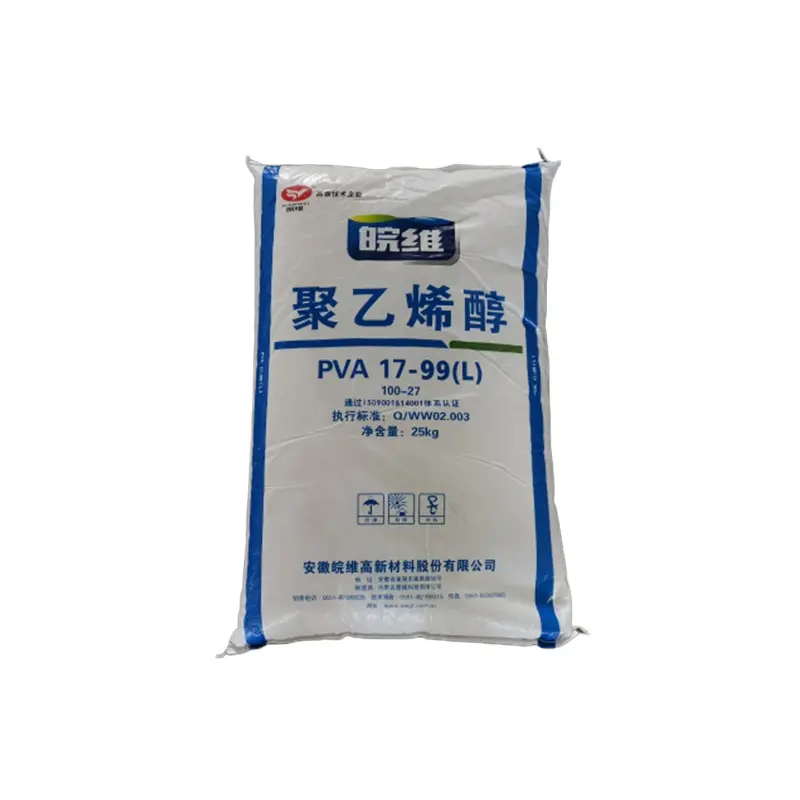
आधुनिक उद्योग में पॉलीविनाइल अल्कोहल की बहुमुखी प्रतिभा
कपड़ा से लेकर चिकित्सा उपयोग तक के उद्योगों में पॉलीविनाइल अल्कोहल (पीवीए) के बहुमुखी अनुप्रयोगों का पता लगाने के लिए, इसके पर्यावरण के अनुकूल लाभों पर प्रकाश डाला जाएगा।
Nov. 11. 2024 -
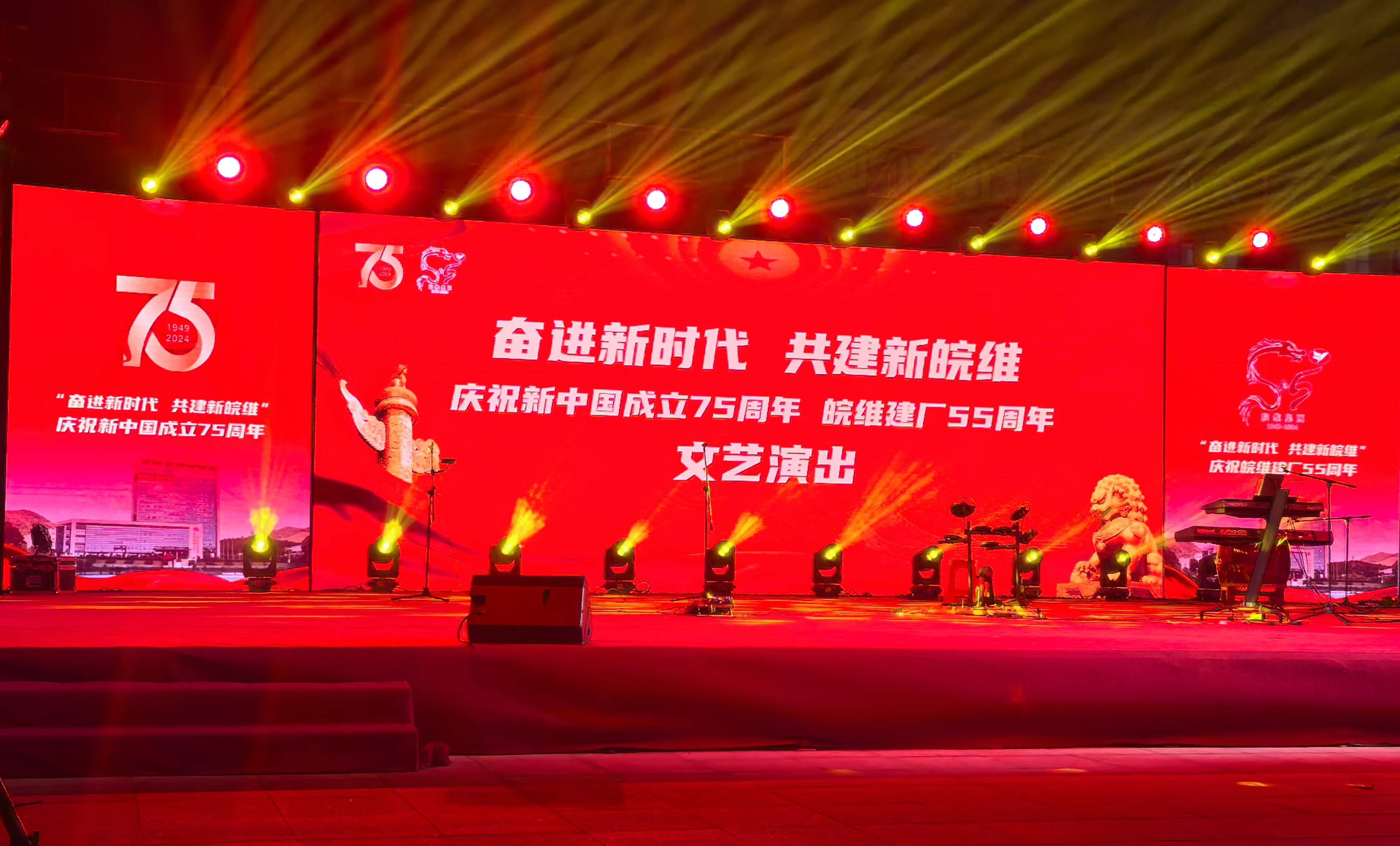
ग्रुप कंपनी ने 'नए युग में आगे बढ़ते हुए, नया आन्हुई बनाते हुए' शीर्षक के तहत सांस्कृतिक प्रदर्शन का आयोजन किया
लोगों की लालसा से पीपुल्स रिपब्लिक ऑफ चाइना की स्थापना के 75वें वर्षगांठ और वानवेई ग्रुप की स्थापना के 55वें वर्षगांठ की जश्न मनाने के लिए, 22 अक्टूबर की शाम को, समूह कंपनी ने एक बड़ी कला कार्यक्रम का आयोजन किया...
Oct. 22. 2024 -
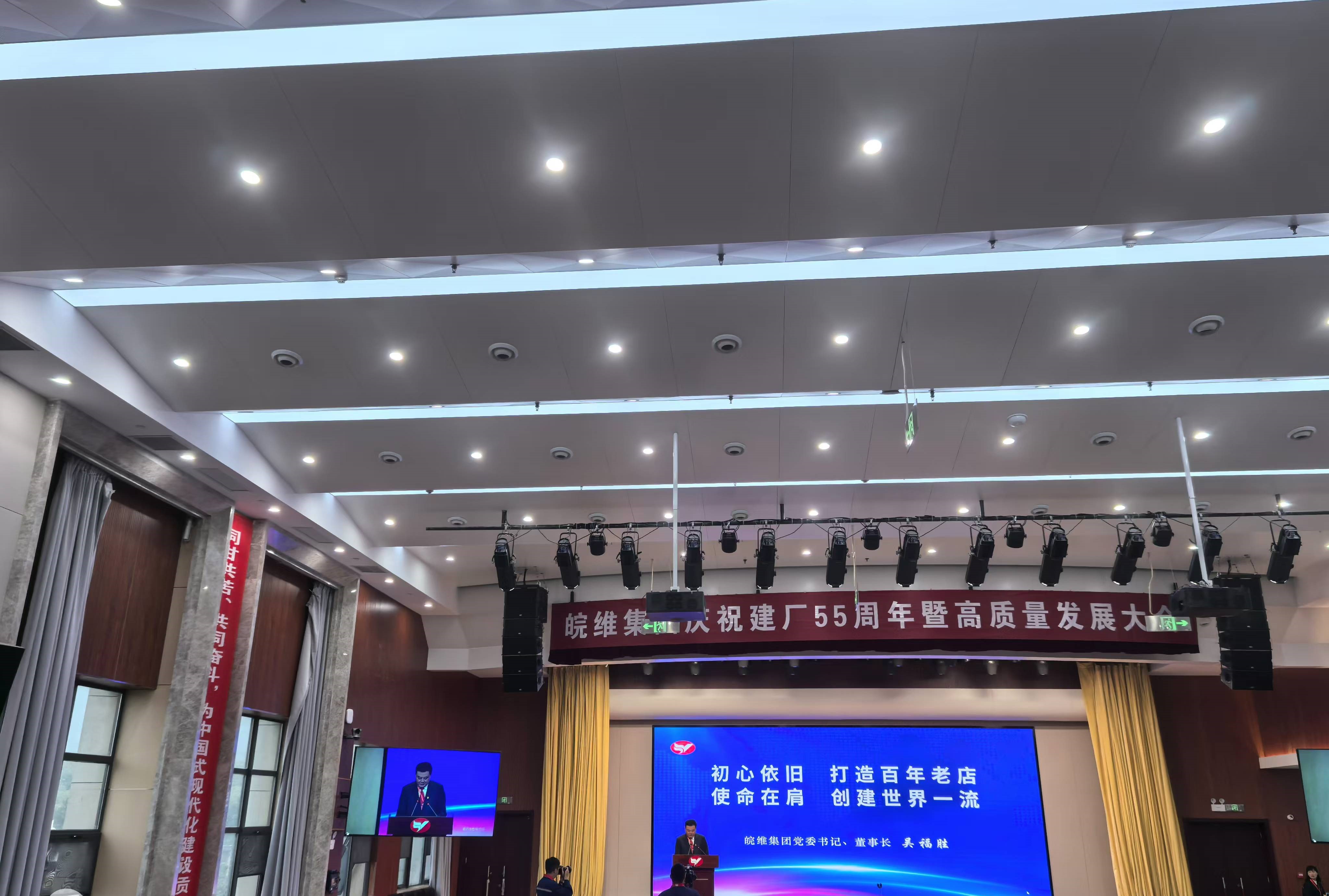
एक सदी के लिए नया अध्याय खींचें! वानवेई ग्रुप ने स्थापना के 55 वर्ष और उच्च गुणवत्ता वाले विकास की जश्न मनाने के लिए एक बड़ी बैठक आयोजित की
गौरवपूर्ण वर्षों की याद दिलाते हुए, बेहतर भविष्य बनाते हुए। 22 अक्टूबर की सुबह ग्रुप कंपनी ने कारखाने की स्थापना के 55 वर्ष और उच्च गुणवत्ता वाले विकास की जश्न मनाने के लिए एक बड़ी बैठक आयोजित की। ग्राहकों के प्रतिनिधि...
Oct. 22. 2024