 EN
EN

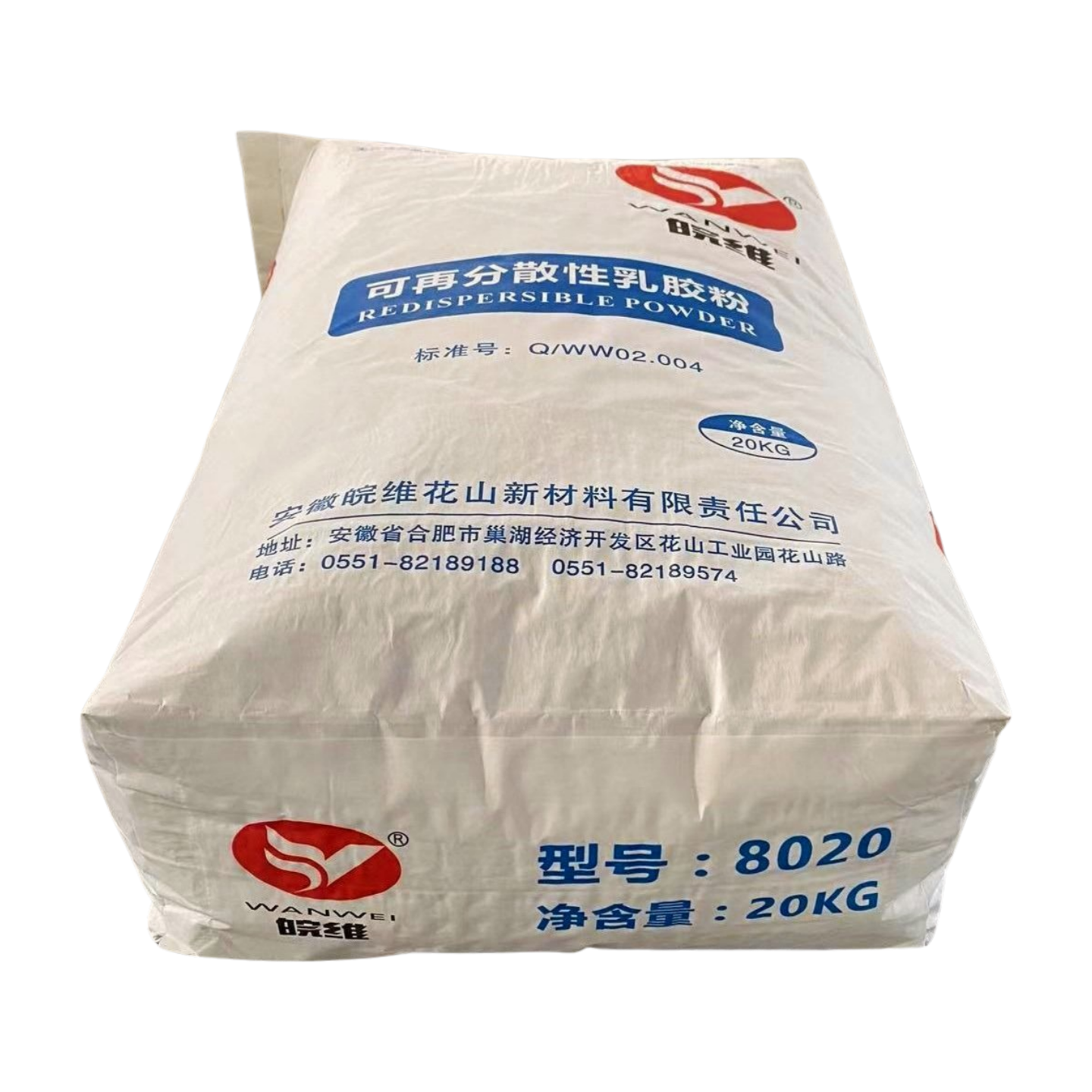
Core Performance Requirements for Redispersible Polymer Powder in Wall Putty
Crack resistance, adhesion, and water resistance as non-negotiable functional benchmarks
Crack resistance, adhesion, and water resistance are the three foundational performance criteria for redispersible polymer powder (RDP) in wall putty—any deficiency compromises coating integrity, accelerates substrate degradation, or triggers costly rework. RDP delivers these properties by forming a continuous, stress-absorbing polymer film upon redispersion and curing. This film bridges micro-cracks, accommodates minor substrate movement, and inhibits crack propagation. It simultaneously enhances interfacial bonding—whether to concrete, plaster, or masonry—by creating durable polymer bridges across the putty–substrate interface. Crucially, the cured film’s hydrophobic character reduces capillary water absorption by up to 40% (per EN 13892-3), mitigating moisture ingress, efflorescence, and long-term delamination. These functions are inseparable: without all three, even optimally applied putty fails prematurely.
How flexibility (Tg/MFFT) and workability affect troweling behavior and film formation
Polymer flexibility—and thus crack resistance and substrate compatibility—is governed by glass transition temperature (Tg), while reliable film formation depends on minimum film formation temperature (MFFT). A Tg of 10–12°C yields an elastic film ideal for interior applications, balancing flexibility with sufficient cohesion; grades exceeding 15°C offer greater hardness and heat resistance but require careful validation in cooler climates. MFFT must align with ambient application conditions: if site temperatures fall below the MFFT, incomplete coalescence occurs, leaving a powdery, non-integrated film prone to dusting and poor adhesion. Workability—critical for bubble-free troweling and extended open time—is further influenced by particle morphology and redispersion kinetics. Rapid, uniform hydration lubricates the mix, improves slip, and supports consistent film development. Optimizing Tg, MFFT, and redispersion speed ensures both ease of application and robust, defect-free film formation under real-world site conditions.
Comparing Key Redispersible Polymer Powder Grades for Wall Putty Applications
Vinabond® N511: Balanced redispersible polymer powder for interior wall putty (Tg ≈ 12°C, MFFT 8–10°C)
Vinabond® N511 is engineered for standard interior wall putty formulations. With a Tg of ~12°C and MFFT of 8–10°C, it reliably forms flexible, cohesive films at typical indoor temperatures (20–25°C), delivering balanced crack resistance, substrate adhesion, and trowelability. Its rapid redispersion improves workability without extending setting time, supporting efficient application on gypsum and cementitious substrates. As a mid-tier grade, it meets ISO 11600 and EN 13892-2 requirements for interior use while offering strong cost-performance alignment where prolonged moisture exposure is not expected.
Accurate™ 5025N: High-performance redispersible polymer powder for exterior/humid environments (≥28% elongation, low residual monomer)
Accurate™ 5025N is formulated for demanding exterior and high-humidity applications, achieving ≥28% elongation (ASTM D412) and <0.1% residual monomer (per ISO 17855). Its elevated flexibility accommodates thermal cycling and substrate movement common in façades and coastal zones, while low residual monomer minimizes odor and VOC emissions—critical for occupied spaces and green building compliance (e.g., LEED v4.1 EQ Credit 4.1). The polymer film exhibits enhanced hydrophobicity and sustained adhesion after 50+ freeze-thaw cycles (EN 13892-4), making it suitable for regions with high rainfall, salt exposure, or persistent humidity. Its performance justifies a premium over interior-grade RDPs, particularly where long-term durability and regulatory compliance are non-negotiable.
Application-Driven Selection Criteria for Redispersible Polymer Powder
Interior vs. exterior: Matching Tg, MFFT, and hydrophobicity to substrate and climate conditions
Interior putty demands RDP with a Tg of 10–12°C and MFFT of 5–10°C to ensure full film formation and flexibility at stable, moderate temperatures. Such grades optimize adhesion to low-suction substrates like gypsum board and maintain workability during extended application windows. Exterior formulations require higher-Tg polymers (15–20°C) to resist softening under solar heating and UV exposure, paired with MFFT ≤5°C for reliable cold-weather application. Critically, exterior-grade RDP must also deliver proven hydrophobicity—validated via water absorption tests (EN 13892-3) and contact angle measurement—to repel rainwater and inhibit moisture-driven failures. Freeze-thaw stability and alkali resistance (per EN 13892-4 and ISO 11600 Annex B) further distinguish suitable exterior grades from interior alternatives.
Coastal and high-humidity adaptation: Why surfactant stability and residual monomer control matter in redispersible polymer powder
In coastal and high-humidity environments, conventional RDP can suffer surfactant migration under sustained moisture exposure—leading to film weakening, reduced water repellency, and efflorescence. RDP designed for these conditions uses stabilized, non-migrating surfactants that retain film integrity during wet-dry cycling. Equally vital is strict control of residual monomer (<0.1%), which not only lowers VOC emissions and odor but also prevents post-cure plasticization and long-term embrittlement. Reputable humid-climate grades undergo accelerated aging per ASTM D471 and storage stability testing at 85% RH/40°C for 4 weeks—ensuring redispersibility and performance retention even after prolonged exposure to damp conditions. These features collectively prevent interfacial failure, blistering, and premature coating breakdown in aggressive marine or tropical settings.
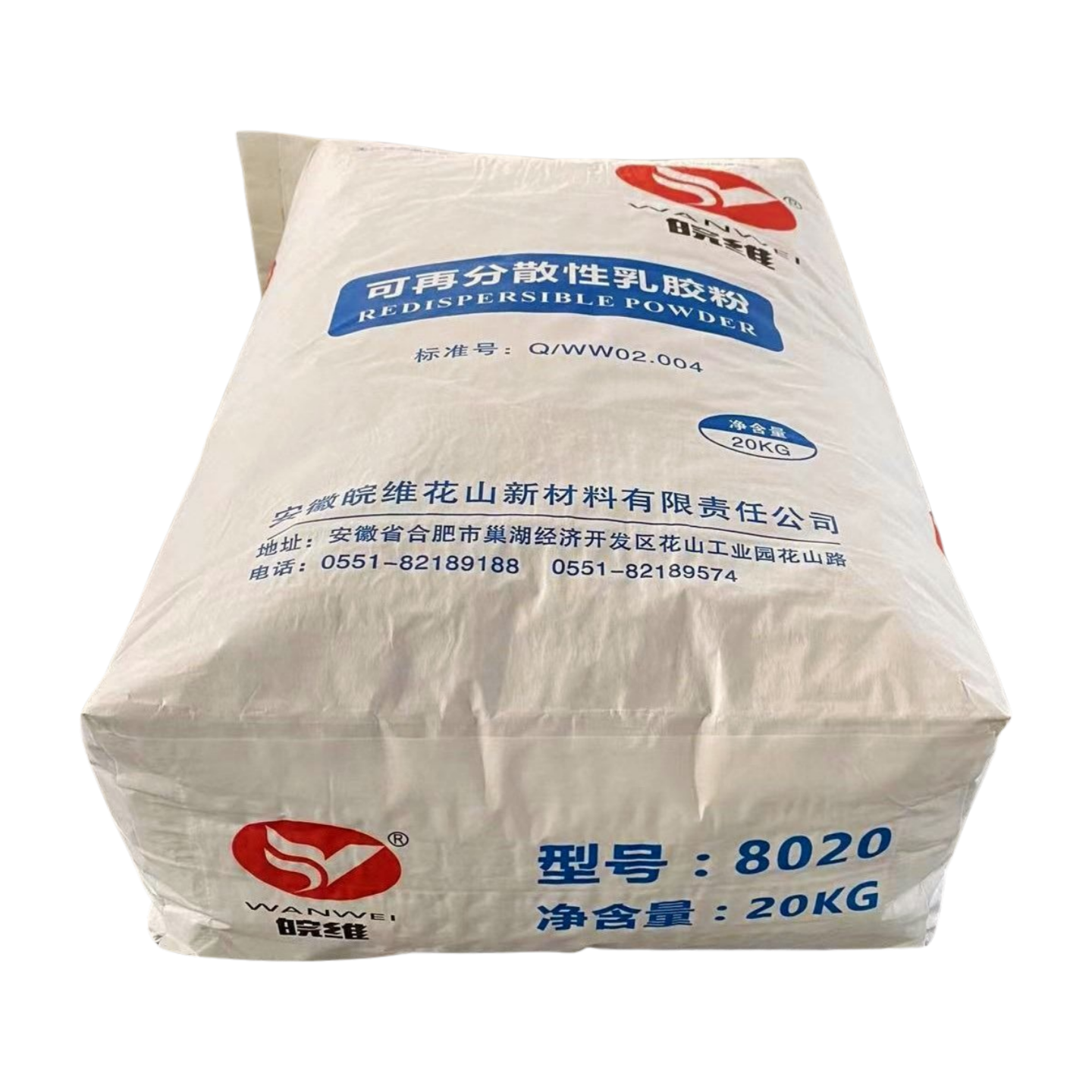
Balancing Performance, Cost, and Sustainability in Redispersible Polymer Powder Selection
Selecting RDP requires strategic alignment of performance, economics, and environmental responsibility—not compromise. High-performing grades deliver verified crack resistance, adhesion, and water management, but their value lies in extending service life and reducing lifecycle costs. Lower-cost alternatives may meet baseline specifications yet often fall short in durability testing (e.g., freeze-thaw, alkali resistance) or exceed VOC thresholds, risking non-compliance with evolving regulations like EU REACH Annex XVII or China GB 18582-2020. Modern sustainable RDPs address this by incorporating bio-based monomers, reduced energy-intensive drying processes, and VOC content <50 g/L—enabling conformance with green building standards (LEED, BREEAM, Green Star) without formulation trade-offs. The most effective selection strategy begins with defining the application’s environmental stressors (temperature, humidity, UV, substrate type), then matching Tg, MFFT, surfactant stability, and regulatory profile—ensuring optimal performance, predictable cost efficiency, and verifiable sustainability.
FAQ
What is redispersible polymer powder, and why is it important for wall putty?
Redispersible polymer powder is a polymer additive used in construction materials like wall putty to provide crack resistance, adhesion, and water resistance. It enhances the durability and integrity of wall coatings.
How does glass transition temperature (Tg) affect putty film flexibility?
Tg determines the flexibility of the polymer film in putty. Lower Tg values (around 10–12°C) result in elastic films suitable for interior applications, while higher values improve hardness for exterior uses under heat stress.
What is MFFT and why is it critical?
Minimum Film Formation Temperature (MFFT) is the lowest temperature at which a polymer can form a uniform film. It must align with ambient conditions during application to ensure proper film formation and adhesion.
How do interior and exterior RDP grades differ?
Interior grades focus on flexibility and adhesion at moderate temperatures, while exterior grades prioritize hydrophobicity, UV resistance, and freeze-thaw stability to handle harsh environmental conditions.
Why is surfactant stability crucial in humid climates?
In high-humidity areas, surfactants can migrate, weakening the polymer film and reducing water repellency. Stabilized surfactants prevent this, ensuring long-term performance and durability.
Table of Contents
- Core Performance Requirements for Redispersible Polymer Powder in Wall Putty
- Comparing Key Redispersible Polymer Powder Grades for Wall Putty Applications
- Application-Driven Selection Criteria for Redispersible Polymer Powder
- Balancing Performance, Cost, and Sustainability in Redispersible Polymer Powder Selection
- FAQ