 EN
EN

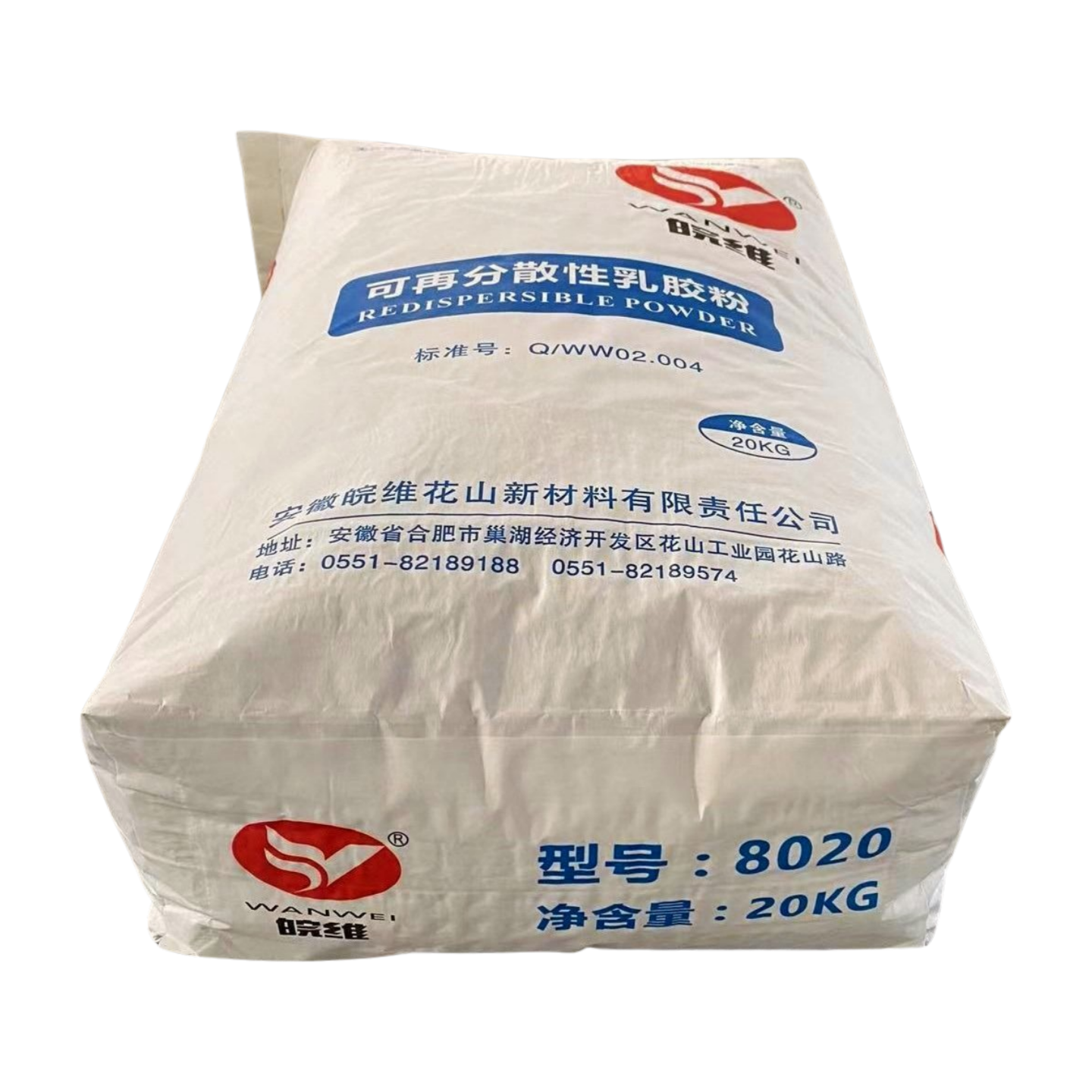
Urbanization and Infrastructure Growth Fueling Dispersible Polymer Powder Adoption
Rapid urbanization and large-scale infrastructure spending are transforming construction practices worldwide, creating unprecedented demand for advanced building materials. In this landscape, dispersible polymer powder (RDP) has emerged as a critical additive—enabling dry-mix mortars to meet the stringent performance requirements of modern projects. Its ability to boost adhesion, flexibility, and water resistance directly supports the pace and complexity of today’s construction boom, especially in high-growth regions.
Rising Residential and Commercial Construction in Emerging Economies
Surging urban populations in Asia-Pacific, the Middle East, and Africa are driving a wave of residential and commercial development that relies heavily on high-performance mortars. In countries such as India, Indonesia, and Vietnam, the shift toward multi-story apartment complexes and mixed-use retail spaces demands tile adhesives, renders, and self-leveling compounds that cure reliably under variable climate conditions. RDP is integral to these formulations: it improves tensile adhesion by over 80% compared to conventional cement mortars and significantly reduces cracking—extending service life even in humid or thermally volatile environments. With annual floor space construction growth exceeding 6% in key metropolitan areas, local mortar producers increasingly adopt RDP-modified systems to achieve the workability, durability, and thin-bed application capabilities required for high-rise envelopes, fast-track interiors, and energy-efficient façades.
Government-Led Infrastructure Projects Accelerating Dry-Mix Mortar Innovation
Public investment in transportation, energy, and water infrastructure is another powerful driver of RDP adoption. Mega-projects—including high-speed rail corridors, metro expansions, and port upgrades—require mortars with exceptional crack bridging, impact resistance, and adhesion to diverse substrates under heavy loads. Tunnel linings and bridge deck overlays in seismic zones, for instance, increasingly specify polymer-modified repair mortars capable of withstanding dynamic stress without delamination. Governments in emerging economies are also promoting standardized dry-mix technology to reduce on-site mixing errors, cut material waste, and improve worker safety—directly boosting demand for factory-produced RDP-containing mortars. These policy shifts, combined with the scale of infrastructure programs—often delivered through public-private partnerships—are accelerating innovation in bespoke RDP grades. As performance-driven regulations and resilience mandates become standard in public works, polymer-enhanced solutions are displacing traditional cement-only methods across critical infrastructure segments.
Sustainability Regulations and Green Building Standards Boosting Dispersible Polymer Powder Use
LEED, BREEAM, and Local Green Certifications Requiring Low-VOC, Eco-Compliant Additives
Green building rating systems—including LEED, BREEAM, and national certifications like India’s GRIHA and China’s Three-Star system—now mandate strict limits on volatile organic compounds (VOCs) and hazardous chemicals in construction materials. This reflects the building sector’s outsized environmental footprint: it accounts for nearly 40% of global greenhouse gas emissions (UNEP, 2023). Advanced RDP formulations are inherently low-VOC and formaldehyde-free, enabling mortar manufacturers to meet indoor air quality and materials credit requirements without compromising performance. By replacing solvent-based liquid additives, RDP supports safer worksites, healthier indoor environments, and full compliance with eco-label criteria. As green certification becomes a market differentiator—not just for premium developments but increasingly for affordable housing and public infrastructure—demand for RDP in tile adhesives, plasters, and self-leveling compounds continues to rise.
Global and Regional Policies Restricting Hazardous Binders, Favoring Dispersible Polymer Powder Alternatives
Regulatory frameworks worldwide are phasing out hazardous binders that emit formaldehyde, heavy metals, or persistent organic pollutants. The European Union’s REACH regulation, Japan’s Chemical Substances Control Law (CSCL), and Canada’s Chemical Management Plan all impose tightening restrictions on toxic additives in building products. RDP stands out as a compliant, high-performance alternative: its water-based, non-toxic nature aligns with evolving chemical safety standards across geographies. Manufacturers can formulate dry-mix mortars that meet emission thresholds while maintaining strength, flexibility, and ease of use. In fast-growing economies, governments are embedding green procurement rules into public infrastructure tenders—requiring certified low-emission materials and incentivizing RDP adoption. This regulatory momentum not only protects occupational health and community well-being but also solidifies RDP’s position as the industry-standard binder for sustainable construction chemistry.
Performance-Driven Innovation: How Advanced Dispersible Polymer Powder Formulations Expand Application Scope
Advanced dispersible polymer powder—commonly referred to as redispersible polymer powder (RDP)—transforms modern construction by forming a flexible, continuous polymeric film within the mortar matrix. This film enhances mechanical performance, durability, and functional versatility—enabling high-performance materials across an expanding range of applications.
Enhanced Adhesion, Crack Bridging, and Water Resistance in Modern RDP Systems
The core value of RDP lies in its ability to dramatically improve adhesion to challenging substrates—including concrete, wood, insulation boards, and lightweight aggregates. Polymer-modified mortars routinely achieve tensile adhesion strengths of 1.5–2.5 MPa, more than doubling the 0.8 MPa typical of conventional cement mortars (industry benchmark testing, 2024). The polymer film bridges micro-cracks, increases flexural strength, and improves resistance to thermal cycling and mechanical stress. Advanced RDP systems often integrate multi-phase polymer chemistries to balance adhesion, elasticity, and hydrophobicity—making them suitable for extreme climates and demanding exposures. In wet environments, the film seals capillary pores, reducing water absorption by 40–60% and enhancing freeze-thaw durability—critical for exterior insulation composite systems (ETICS) and swimming pool installations. These performance attributes ensure long-term structural integrity in both new-build and renovation contexts.
| Property | Conventional Mortar | RDP‑Modified Mortar |
|---|---|---|
| Tensile Adhesion (MPa) | 0.8 | 1.5–2.5 |
| Water Absorption (%) | 15–20 | 5–8 |
| Crack Bridging (mm) | 0.1 | 0.3–0.5 |
Tailored Dispersible Polymer Powder Solutions for Tile Adhesives, ETICS, and Self‑Leveling Compounds
RDP is not a one-size-fits-all solution—it is engineered for precise application needs. In tile adhesives, high-flexibility grades with low glass transition temperature (Tg) accommodate substrate movement and prevent debonding; optimized rheology delivers extended open time and reduced slip—essential for large-format and heavy tiles. For ETICS, RDP ensures strong adhesion to expanded polystyrene (EPS) and extruded polystyrene (XPS), while forming a weather-resistant surface film that preserves thermal performance over decades. Self-leveling compounds benefit from RDP’s dual action: improved flow and surface smoothness without sacrificing compressive strength. A 2023 field study across 12 commercial sites found that RDP-modified self-leveling underlayment reduced surface defects—including pinholes, craters, and edge shrinkage—by 70% versus non-polymer alternatives. By adjusting polymer chemistry—such as vinyl acetate-ethylene (VAE), styrene-acrylic, or pure acrylic—manufacturers tailor open time, set acceleration, viscosity, efflorescence resistance, and abrasion resistance. This adaptability enables custom solutions for thin-bed mortars, rapid-repair grouts, and even underwater repair applications—reinforcing RDP’s strategic role in performance-led construction innovation.
FAQ Section
What is dispersible polymer powder (RDP) used for?
RDP is used in dry-mix mortars to improve properties such as adhesion, flexibility, water resistance, and crack bridging in construction applications.
Why is RDP essential in modern construction?
RDP enhances mortar performance, ensuring reliable curing even under variable climate conditions, making it critical for high-rise envelopes, interiors, and energy-efficient facades.
How does RDP support sustainability?
RDP formulations are low-VOC and formaldehyde-free, enabling compliance with green building certifications like LEED and BREEAM while providing safer and healthier indoor environments.
What are the key benefits of RDP-modified mortars?
RDP-modified mortars offer superior tensile adhesion, reduced water absorption, improved crack bridging, and enhanced durability compared to conventional cement mortars.
Can RDP be customized for specific applications?
Yes, tailored RDP solutions are available for tile adhesives, ETICS, self-leveling compounds, rapid-repair grouts, and specialized applications like underwater repairs.