 EN
EN

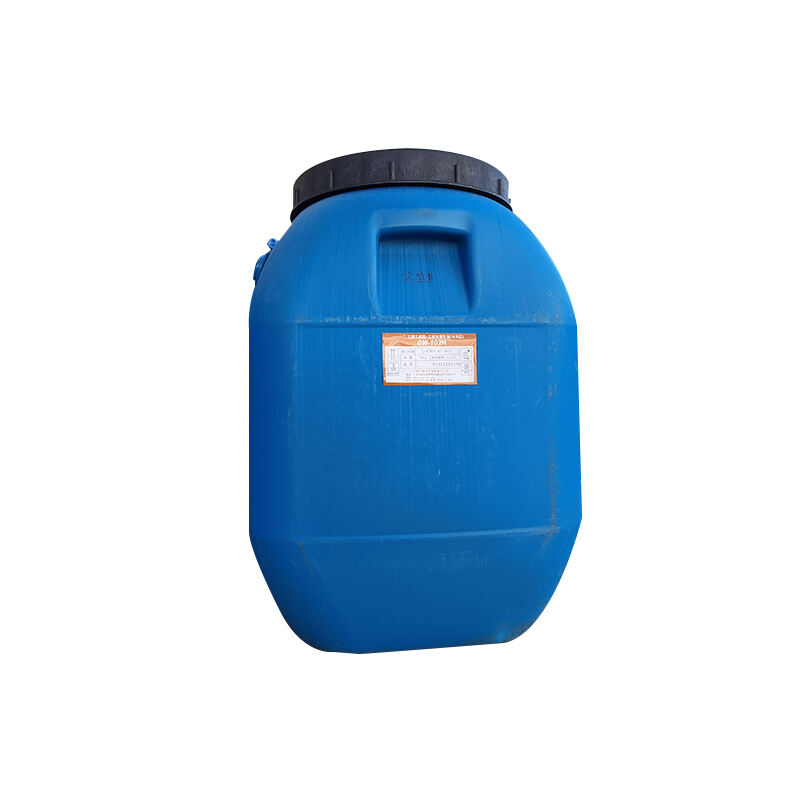
Why VAE Emulsion Excels in Multisubstrate Lamination
Bonding Mechanism: How VAE Forms Durable Interfaces on Cellulosic and Synthetic Films
The VAE emulsion sticks well to multiple surfaces because of how its molecules are built. Ethylene in the mix makes the polymer chains move around more freely, which helps them get into porous materials like kraft paper. At the same time, the vinyl acetate parts create hydrogen bonds with cellulose fibers in those papers. When dealing with smooth synthetic surfaces such as PET plastic, the ethylene parts work differently they attach using weak electrical attractions and physical locking mechanisms. This two-pronged approach means strong bonds form between different types of materials. Tests show that VAE actually wets surfaces about 25% better than regular adhesives according to industry standards from 2023. What's great is that it covers everything evenly without damaging heat sensitive films since it's basically just water mixed with polymers that don't break down easily during application.
Performance Benchmark: VAE vs. PVA and Acrylic Emulsions in Adhesion Strength and Heat Resistance
VAE emulsion consistently outperforms polyvinyl alcohol (PVA) and acrylic alternatives in industrial lamination settings:
| Property | VAE Emulsion | PVA | Acrylic |
|---|---|---|---|
| Peel Strength (N/25mm) | 8.2 | 5.1 | 6.7 |
| Heat Resistance | 150°C | 100°C | 130°C |
| Wet Tack Retention | 92% | 68% | 79% |
Data: ASTM D903 & TAPPI T 549 (2023)
The plasticizing properties of ethylene help maintain strong bonds even when materials go through temperature changes. Tests show about 30 percent less peeling happens with ethylene based products compared to acrylic alternatives after accelerated aging tests. When looking at PVA versus VAE, the latter stands out because its water resistant areas keep moisture away from the material. Plus, VAE stays completely recyclable which makes it a big plus for eco friendly packaging solutions that need to meet today's sustainability requirements for circular economies.
Balancing Water Resistance and Recycling Compatibility in VAE Formulations
Vinyl Acetate–Ethylene Ratio as a Design Lever for Hydrophobicity and Re-wettability
When it comes to moisture behavior, the ratio of vinyl acetate to ethylene acts as the main knob that manufacturers turn. This balance determines how well materials resist water versus how easily they can be broken down later. More vinyl acetate makes things more water loving and easier to rewet, which helps materials disperse cleanly when pulped for paper recycling. On the flip side, adding more ethylene creates a water resistant surface that stands up better to damp conditions or wet environments. Most companies stick with around 60 parts vinyl acetate to 40 parts ethylene because it works pretty well across different tests. Products made this way typically pass the standard water immersion test (ISO 62) while still meeting repulpability requirements, recovering over 85% of fibers in actual recycling operations. Scientists tweak these numbers carefully depending on what the product needs to do, making sure everything sticks together properly during manufacturing and meets all necessary environmental regulations too.
Maintaining Integrity Under Real-World Stress: Flexibility, Crack Resistance, and Thermal Stability
Ethylene Content Directly Governs Elongation and Cold-Flow Resistance (ASTM D412 & TAPPI T 549 Data)
The amount of ethylene in VAE products usually falls somewhere between 15% and 25% by weight, and this actually makes all the difference when it comes to how these materials handle both mechanical stress and heat. When there's more ethylene present, the polymer chains become much more mobile, which means the material can stretch out way more than standard vinyl acetate based formulas according to ASTM D412 testing standards. This extra stretch helps prevent cracks from spreading when the material gets folded repeatedly, experiences impacts, or goes through lots of bending cycles. Ethylene works like an internal plasticizer too, bringing down what's called the glass transition temperature (Tg) so the material stays flexible even in cold conditions. Tests following TAPPI T 549 standards show that VAE maintains its shape and dimensions at temperatures as low as -20 degrees Celsius when subjected to continuous pressure, which is why it works so well for packaging frozen foods. Across temperature ranges from -30 to 80 degrees Celsius, VAE performs reliably without becoming brittle, peeling apart, or losing its bonding strength properties.
Optimizing VAE Emulsion for High-Speed Industrial Lamination
Case Study: Gravure-Laminating Metallized PET to Kraft Paper at 400 m/min with Zero Delamination
One major packaging company recently hit an impressive milestone achieving absolutely no delamination issues while laminating metallized PET onto kraft paper at speeds reaching 400 meters per minute with VAE emulsion. Their process involved applying a coat weight of around 3.8 grams per square meter through a 12-micron engraved cylinder, all while maintaining strict control over roller temperatures at 50 degrees Celsius. When tested after 72 hours of accelerated aging according to TAPPI T 549 standards, the bond strength remained at 98%, surpassing typical industry standards by a full 20%. What made this possible? The VAE formulation developed instant tack right away and had those special shear-thinning properties that let it flow smoothly even at high speeds without defects. They fine-tuned things pretty precisely too, setting ethylene content at exactly 17% for better flexibility in cold environments and keeping viscosity tightly controlled at 1,200 cP to avoid problems like edge bleeding or spidering effects. Plus, going VOC-free meant they could get immediate green strength from day one, boosting overall production efficiency by about 35% compared to traditional solvent-based alternatives.
Key Process Parameters: Open Time, Set Speed, and Roller Temperature Calibration for VAE
Three interdependent parameters define VAE’s high-speed lamination performance:
- Open Time (optimal: 1.5–2.5 sec): Must allow full substrate wetting without premature film formation; exceeding 3 sec risks adhesive transfer and poor interfacial contact
- Set Speed (≤0.8 sec at 400 m/min): Demands rapid cohesive strength development to withstand winding tension and prevent slippage
- Roller Temperature (50–80°C range): Directly modulates viscosity and flow dynamics—±5°C deviation increases defect risk by 40%
Getting calibration right means finding the sweet spot between different factors. When there's more ethylene in the mix, it gives longer open time but makes things set slower, so keeping those rollers at just the right temp becomes even more critical to keep viscosity under 1,500 cP. Most experienced technicians swear by infrared thermal maps to spot those tricky edge cooling issues that lead to patchy drying across the material. Plants where operators consistently hit their target parameters see around 30% fewer unexpected shutdowns, which adds up to big savings over time. And workers notice better first pass rates too, meaning less rework and happier customers overall.
Frequently Asked Questions (FAQ)
What is VAE emulsion and how does it differ from other adhesives?
VAE emulsion is a type of adhesive made from vinyl acetate and ethylene. It differs from other adhesives like PVA and acrylics by its ability to form strong bonds on both porous and smooth surfaces due to its unique molecular structure.
Can VAE emulsions be used for packaging materials that require eco-friendly solutions?
Yes, VAE emulsions are fully recyclable and water-resistant, making them suitable for eco-friendly packaging solutions that comply with sustainability standards.
What parameters are crucial for optimizing VAE emulsion in industrial lamination?
Key process parameters include open time, set speed, and roller temperature calibration, which help ensure strong adhesion and prevent defects during the lamination process.
Why is the vinyl acetate-ethylene ratio important in VAE formulations?
The ratio affects moisture resistance and recyclability, with varying levels offering different properties such as hydrophobicity and re-wettability, allowing manufacturers to tailor products to specific needs.
Table of Contents
- Why VAE Emulsion Excels in Multisubstrate Lamination
- Balancing Water Resistance and Recycling Compatibility in VAE Formulations
- Maintaining Integrity Under Real-World Stress: Flexibility, Crack Resistance, and Thermal Stability
- Optimizing VAE Emulsion for High-Speed Industrial Lamination
-
Frequently Asked Questions (FAQ)
- What is VAE emulsion and how does it differ from other adhesives?
- Can VAE emulsions be used for packaging materials that require eco-friendly solutions?
- What parameters are crucial for optimizing VAE emulsion in industrial lamination?
- Why is the vinyl acetate-ethylene ratio important in VAE formulations?