 EN
EN

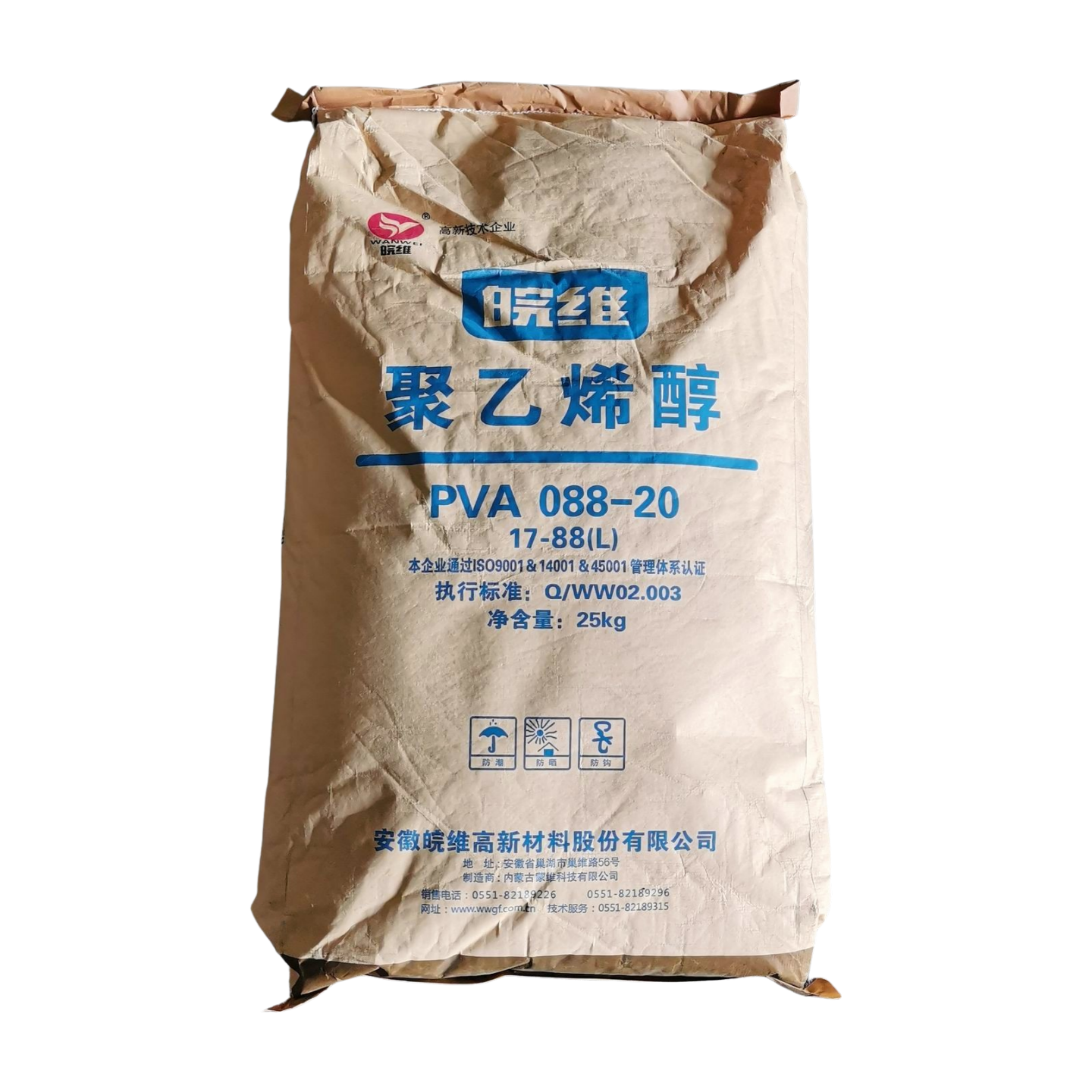
Why Polyvinyl Alcohol Is a Leading Material for Biodegradable Films
OECD 301 standards and real-world biodegradation performance of polyvinyl alcohol
Polyvinyl alcohol or PVA shows really good biodegradability when tested according to OECD 301 standards these are basically lab tests that mimic what happens naturally in soil with microbes present. When put through these standard tests, PVA films actually break down into minerals at around 60% after just 28 days which meets and even beats the minimum requirement set by both ISO 14851 and EN 13432 for something to be considered easily biodegradable. We've seen this work outside the lab too. Municipal wastewater treatment facilities report that PVA breaks down about five and a half times quicker than regular plant based materials because of how its carbon chains are structured and how bacteria such as Pseudomonas and Sphingobium can literally eat through it. According to folks at the Sustainable Packaging Coalition, companies that make the switch to certified PVA packaging cut down their overall plastic waste by roughly 42% compared to those still using traditional polyolefin plastics.
How molecular weight and degree of hydrolysis fine-tune polyvinyl alcohol biodegradability
PVA’s biodegradation profile is highly responsive to two key structural parameters: molecular weight (MW) and degree of hydrolysis (DH). These variables allow precise control over dissolution kinetics and ultimate biodegradation efficiency:
- Low molecular weight (10,000–30,000 Da): Enables complete degradation in marine environments within 15 days
- High hydrolysis (>98%): Slows initial dissolution but improves ultimate biodegradability—reaching up to 89% mineralization versus 72% for partially hydrolyzed grades
- Optimal functional balance: Films formulated with 87–89% hydrolysis and medium MW (~50,000 Da) retain mechanical integrity for up to 30 days before undergoing rapid, near-complete biodegradation
This tunability makes PVA uniquely suited to diverse applications—from single-use detergent pods requiring sub-minute dissolution to agricultural mulch films engineered for controlled degradation over several months.
Optimizing Polyvinyl Alcohol Film Formulation for Performance and Dissolution Control
Blending polyvinyl alcohol with starch and plasticizers to tailor barrier properties and dissolution rate
When we mix PVA with natural stuff like starch and plasticizers such as glycerol, it allows us to fine tune how sensitive the material is to water, how flexible it gets, and what kind of barriers it forms against different substances all while keeping it biodegradable. Adding around 10 to 20 percent starch actually makes the material less soluble in water, which means it takes about 40 to 60 percent longer to dissolve when submerged. This works because the starch creates stronger barriers against oxygen too, improving this property by roughly 25 percent thanks to those hydrogen bonds forming between the starch molecules and the PVA chains. That's really important for things like food packaging where we need to stop fats from going rancid. On the other hand, throwing in somewhere between 5 and 15 percent glycerol makes the films much more pliable and easier to work with during manufacturing. Research indicates that just 10 percent glycerol can boost tensile strength by about 30 percent without messing up the biodegradation timeline according to standard tests.
Balancing mechanical strength and water solubility through polyvinyl alcohol grade selection
Getting the balance right between how strong PVA materials are mechanically and how they break down depends heavily on picking the right grade of PVA. The high molecular weight versions (around 130k to 186k g/mol) stand out for their ability to resist punctures, sometimes reaching as high as 18 MPa before failing. But these same materials take longer to dissolve when exposed to water. On the other hand, those partially hydrolyzed grades with about 87-89% degree of hydrolysis tend to break down three times quicker than the fully hydrolyzed ones above 98% DH. This makes them respond better to changes in their environment. When manufacturers modify PVA films through crosslinking using organic acids such as oxalic acid, they get even better results. At around 10% concentration levels, this treatment cuts water absorption down by nearly half while increasing tensile strength by roughly a fifth. What does this mean practically? Films stay intact during normal usage but will completely disappear in seawater conditions within just three days, which is exactly what many applications need.
Scalable Manufacturing of Polyvinyl Alcohol Films: Process Selection and Pitfalls
Solution casting vs. melt extrusion: feasibility, throughput, and thermal stability constraints for polyvinyl alcohol
Making PVA films on a large scale means matching the right manufacturing process to how the material behaves and what it needs to do in the end product. Solution casting works by dissolving PVA in water then drying the film under 100 degrees Celsius. This method keeps the polymer structure intact and creates very pure, uniform films that are great for medical purposes or applications needing high barriers against moisture. But there's a catch. The process can only handle about 5 kilograms per hour because the water takes so long to evaporate and the drying stage consumes a lot of energy. Melt extrusion gives much better output rates over 50 kg per hour but runs at temperatures between 160 and 200 degrees Celsius, which puts PVA close to breaking down thermally. When temps go above 180 degrees, the polymer chains start breaking apart, cutting tensile strength anywhere from 15% to 30% and making the film inconsistent. Keeping temperature control tight within plus or minus 5 degrees across different parts of the equipment is absolutely critical to prevent things like caramelization and keep the molecular weight stable. Although solution casting still has its place in niche markets, most commercial production of biodegradable packaging relies on melt extrusion these days, particularly when combined with co-extrusion methods that add moisture resistant layers around the PVA core to protect it during manufacturing.
FAQ
What is polyvinyl alcohol?
Polyvinyl alcohol (PVA) is a synthetic polymer known for its ability to biodegrade and is widely used in applications like packaging and films.
Why is polyvinyl alcohol considered a leading material for biodegradable films?
PVA is seen as a top choice due to its exceptional biodegradability, evidenced by lab and real-world tests, and structural tunability for varied applications.
How does polyvinyl alcohol biodegrade?
PVA films break down through microbial action, with specific environmental conditions aiding the process. Factors like molecular weight and hydrolysis degree influence degradation rates.