 EN
EN

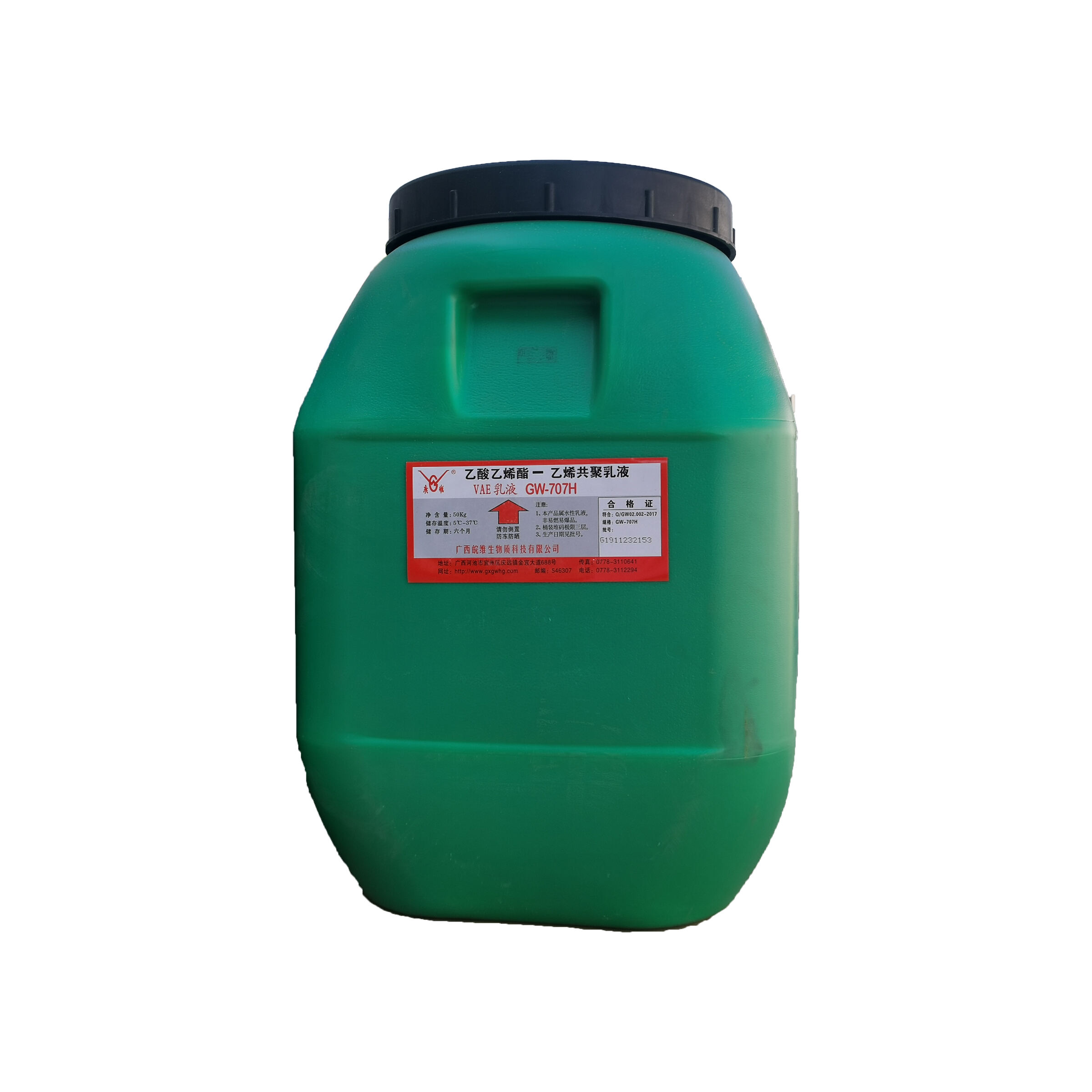
Why VAE Copolymers Deliver Superior Cost Efficiency in Electrode Manufacturing
Raw material savings vs. PVDF and CMC/SBR systems
Switching out old school binders such as PVDF or those CMC/SBR mixes for VAE copolymers can really bring down material costs around 15 to maybe even 20 percent because they need less polymer for each electrode sheet. The big difference here is that PVDF needs this costly and dangerous stuff called N-Methyl-2-pyrrolidone or NMP solvent. With VAE being water based instead, companies save money on buying, storing, and getting rid of all that toxic solvent. Another plus point is protection against those wild swings in PVDF prices caused by limited fluorine supplies and stricter rules about fluorinated chemicals. Factories running five gigawatt hour production lines have actually seen about seven hundred forty thousand dollars saved every year just on materials and shipping after making the switch according to some research from Ponemon back in 2023.
Lower energy consumption from water-based processing and reduced drying temperatures
The aqueous processing method used in VAE cuts down on thermal energy needs by about 40% when compared with traditional solvent based systems. The drying process happens around 80 to 90 degrees Celsius, which is actually 50 to 60 degrees cooler than what's needed for NMP evaporation in PVDF applications. This temperature difference makes a real impact on both electricity and gas usage during the curing stage. Getting rid of the need for NMP recovery equipment also saves energy because there's no longer a requirement for those solvent distillation towers that typically consume between 25 and 30 kilowatt hours per cubic meter. Studies looking at the entire life cycle show that all these efficiency gains together cut down the amount of energy required for each kilowatt hour of battery production by approximately 18%. What's great is that this doesn't affect the quality aspects like electrode density or how well materials stick together.
VAE Binder Performance: Balancing Electrochemical Stability and Cycle Life
High capacity retention (>92% after 200 cycles) in NMC622/Li half-cells
VAE copolymers show impressive results with over 92% capacity retention even after going through 200 charge-discharge cycles in NMC622/Li half cells. That's actually about 8 to 12 percentage points better than what we normally see with traditional binder materials. The reason behind this performance boost seems to be how evenly these polymers spread out and stick firmly but flexibly to the active material particles. This helps keep those particles connected instead of getting isolated when they go through all those lithium insertion and extraction cycles. What makes VAE really stand out is its elastic nature, which can handle around 7% volume expansion and contraction in those complex nickel-manganese-cobalt oxide cathodes without breaking down the electrical connections between particles. Tests done by third parties back up these claims showing energy densities staying above 720 Wh/L at 0.5C rates. Compare that to standard PVDF bound NMC622 electrodes where performance typically drops by 15-20% within just 150 cycles under similar test conditions.
Stable SEI formation and low interfacial resistance growth confirmed by EIS
Looking at electrochemical impedance spectroscopy results reveals something interesting about VAE-bound electrodes. These materials form really stable solid-electrolyte interphase layers, where the interface resistance only grows to around 5 ohm-cm squared after 100 cycles. That's actually about 40% better than what we see with PVDF systems. Why does this happen? Well, it seems the hydroxyl groups in VAE play a big role here. They help create a more even distribution of lithium ions and stop those pesky localized breakdowns in the electrolyte that can lead to dendrites forming. Another advantage comes from VAE's lower oxidation potential, sitting below 3.8 volts relative to lithium. This characteristic cuts down on unwanted side reactions, so the charge transfer resistance stays under 25 ohm-cm squared even when cycled 300 times. When researchers look at cross sections through scanning electron microscopy, they find thinner and more consistent SEI layers. And guess what? These physical observations match up pretty well with the high capacity retention numbers we've been seeing in testing.
Mechanical Robustness and Process Flexibility of VAE-Bound Electrodes
Exceptional bending endurance (>5,000 flex cycles) enabling flexible battery designs
VAE binders give these materials amazing durability. Tests show that electrodes can bend thousands of times - over 5,000 cycles actually - without losing their conductivity or peeling apart. This makes them really good for flexible batteries used in all sorts of applications. Think about wearable tech, those new roll up screens, even foldable phones where traditional PVDF bound electrodes tend to crack or lose connection after just a few hundred bends. What sets VAE apart is how tough it stays through all this stress. The material holds together better so the electrical connections stay intact even when bent repeatedly, which matters a lot for real world devices that need to flex and move with daily use.
Elimination of NMP recovery infrastructure cuts CAPEX by ~35%
The water based approach used by VAE gets rid of the need for those NMP recovery systems which typically make up about 35% of what companies spend on building electrode production facilities. And there's more than just money saved here. We're talking about eliminating all sorts of operational headaches too. No more worrying about meeting strict regulations for solvent emissions, no need for expensive explosion proof designs, and definitely less hassle with maintaining those complicated vacuum distillation units. When paired with the fact that things can dry at lower temperatures, manufacturers end up with production lines that are not only slimmer in design but also much safer to operate. These lines get deployed quicker as well, allowing companies to scale their operations faster while still keeping that important balance between good slurry stability and top quality coatings.
Scalable Implementation: Addressing the VAE Molecular Weight Yield Paradox
Getting the right molecular weight distribution matters a lot when scaling up VAE copolymer production. Higher molecular weights definitely boost adhesion properties, but they come at a cost. When solutions get too viscous, it messes with slurry homogeneity, coating consistency, and ultimately affects electrode yields. There's a real balancing act here that requires careful control during synthesis. If molecular weights drop too low, the material just doesn't hold together well enough mechanically. On the flip side, those super high viscosities create all sorts of problems for thin film applications, often resulting in pesky defects such as pinholes or clumps forming in the material. Industry leaders tackle this challenge by fine tuning various aspects of their polymerization processes. They adjust things like how fast monomers are fed into the system and what concentrations of initiators they use. These adjustments help create a narrower, more balanced range of molecular weights. The result? Less than 10% variation in viscosity throughout production runs. This means electrodes maintain consistent thickness within about 1.5 micrometers, plus we see fewer defects in the final product. And let's face it, cleaner films translate directly to better yields during cell assembly and overall process stability.
FAQ
Why are VAE copolymers more cost-efficient than PVDF?
VAE copolymers are more cost-efficient because they require less polymer for each electrode sheet and they are water-based, eliminating the need for expensive and hazardous N-Methyl-2-pyrrolidone solvent.
How do VAE copolymers impact energy consumption in electrode manufacturing?
VAE copolymers reduce energy consumption by 40% compared to traditional solvent-based systems due to lower processing temperatures and eliminating the need for NMP recovery equipment.
What is the capacity retention of VAE copolymers?
VAE copolymers show capacity retention over 92% after 200 charge-discharge cycles in NMC622/Li half-cells, outperforming traditional binder materials.
How does VAE improve stability in solid-electrolyte interphase layers?
VAE improves stability by forming stable SEI layers with lower interfacial resistance growth, thanks to its hydroxyl groups and lower oxidation potential.