 EN
EN

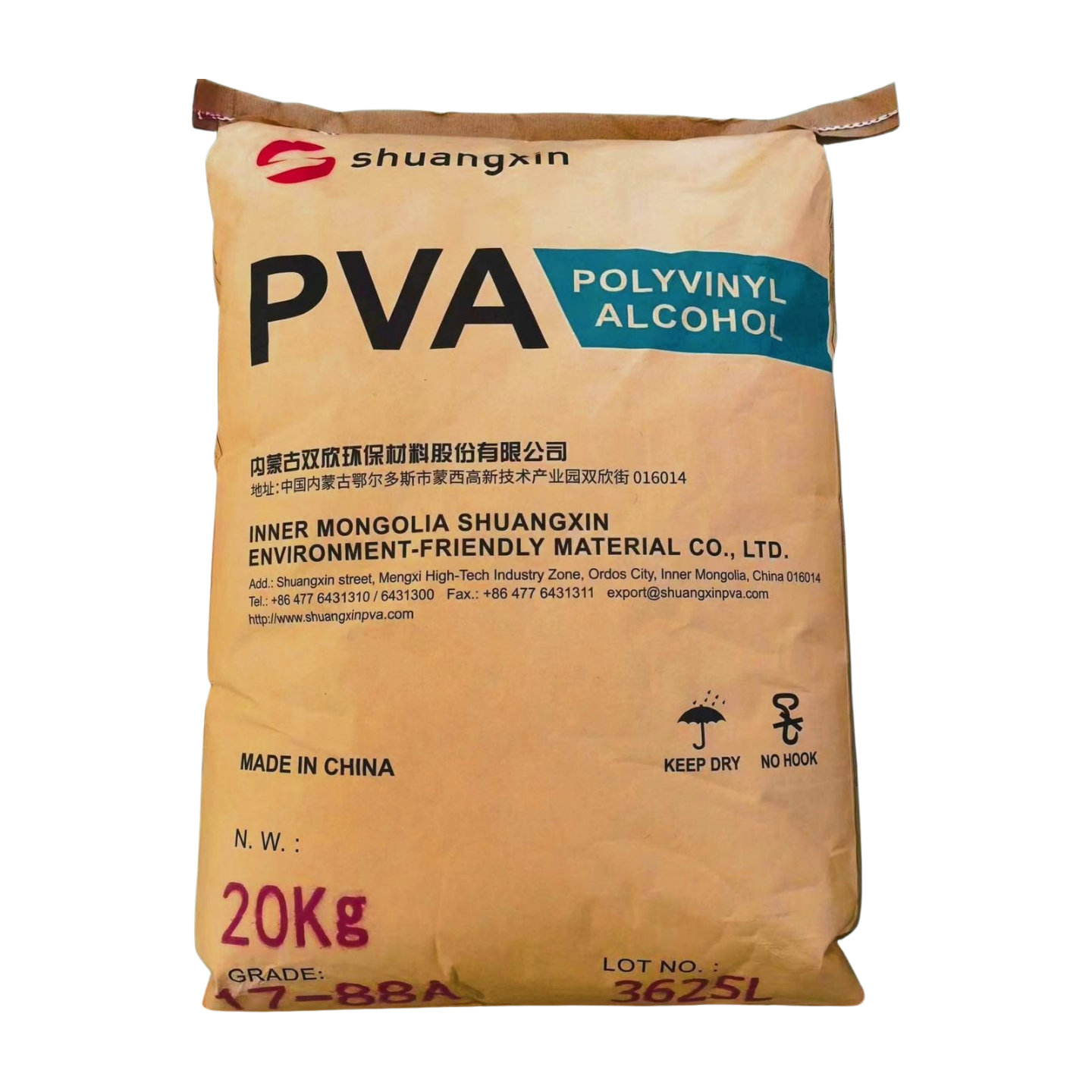
Understanding the Hydrophilic Nature and Limitations of Standard PVA Adhesives
The inherent hydrophilic nature of polyvinyl acetate (PVA) emulsion
Regular PVA glues tend to be pretty sensitive to water because they contain these hydroxyl groups along the polymer chain that just love forming hydrogen bonds with moisture. Studies on polymer chemistry show that standard PVA can actually soak up around 10 to maybe even 15% of its own weight when exposed to high humidity conditions. The good news is this water loving property helps them stick really well to things like wood surfaces and paper products. But there's a downside too. When used outside or in areas that get damp then dry repeatedly, the glue doesn't hold up so great over time. That's why many manufacturers modify PVA formulas for certain applications where water resistance matters more.
Common failure modes of standard PVA adhesives under outdoor exposure
Exposure to rain or humidity triggers three primary degradation mechanisms in unmodified PVA:
- Plasticization: Water penetrates the adhesive film, softening its structure
- Swelling-induced stress: Volumetric expansion of 3–5% generates internal stresses at bonded interfaces
- Polymer chain hydrolysis: Moisture breaks covalent bonds between vinyl acetate monomers
These effects promote adhesive creep under load, interfacial delamination, and eventual bond failure in sustained damp conditions.
Data on performance degradation: moisture absorption rates and bond strength loss
Comparative testing reveals that standard PVA adhesives lose 50–70% of initial bond strength after 30 days at 85% relative humidity. Moisture uptake directly correlates with performance decline:
| Condition | Moisture Uptake (%) | Bond Strength Retention (%) |
|---|---|---|
| 50% RH (Controlled) | 3–5 | 85 |
| 85% RH (Humid) | 12–18 | 32 |
| Water Immersion (24 hrs) | 25+ | <10 |
| This sharp drop explains why unmodified PVA fails in exterior wood bonding, marine uses, and humid climate installations without protective coatings or chemical modifications. |
Chemical Modification Strategies to Enhance Water Resistance of PVA Adhesives
Introducing Hydrophobic Functional Groups into PVA Adhesive Formulations
Manufacturers tackle water sensitivity issues by adding hydrophobic elements such as alkyl or aromatic groups into the polyvinyl acetate polymer chain. When they do this, it forms what's called a steric barrier which basically gets in the way of water molecules trying to bond with the material. According to research published in the European Polymer Journal back in 2012, this approach can cut down moisture absorption by around 40%. What makes these changes really valuable is that despite all these modifications, the materials still stick well to things like wood surfaces and paper products where good adhesion matters most for practical applications.
Esterification and Acetalization Reactions to Reduce Water Sensitivity
The process of esterification works by replacing those pesky hydroxyl groups in PVA with ester linkages, typically done with carboxylic acids or their anhydride counterparts. This chemical modification significantly reduces moisture sensitivity, somewhere around 65 to maybe even 80 percent depending on conditions. Then there's acetalization, which happens when materials react with aldehydes such as formaldehyde. What this does is form these cyclic ether structures that literally block water from getting in. Pretty impressive really since it manages to keep about 85 up to nearly 90% of the original bond strength intact. Both approaches make the material much stiffer though, so manufacturers need to get the stoichiometry just right if they want to keep the material workable during processing without compromising performance.
Incorporating Silane Coupling Agents for Improved Interfacial Stability
Silane-modified PVAs significantly enhance durability in humid conditions by forming covalent bonds with hydroxyl-rich surfaces. γ-Glycidoxypropyltrimethoxysilane (GPTMS), for example, acts as a molecular bridge, improving adhesion to glass, metals, and treated woods. Hybrid systems incorporating silanes achieve interfacial shear strengths exceeding 8 MPa under 85% relative humidity.
Trade-offs Between Flexibility and Water Resistance After Chemical Modification
| Property | Unmodified PVA | Chemically Modified PVA |
|---|---|---|
| Water Absorption (%) | 25–35 | 8–12 |
| Peel Strength (N/mm) | 1.2–1.8 | 0.9–1.3 |
| Glass Transition (°C) | 30–35 | 45–55 |
| While crosslinking improves moisture resistance, it increases rigidity by 15–20% and reduces impact performance. Optimal formulations incorporate elastomeric monomers via copolymerization to recover 70–80% of lost flexibility without sacrificing water resistance. |
Crosslinking and Copolymerization Techniques for High-Performance PVA Adhesives
Aldehyde-based and metal ion crosslinkers: Enhancing cohesive strength in wet environments
Chemical crosslinking transforms PVA into a 3D network resistant to moisture. Formaldehyde-based systems boost wet shear strength by 35–45% compared to uncured PVA (Journal of Adhesion Science, 2023), while aluminum-ion crosslinkers improve hydrolysis resistance in humid settings. Effective curing requires precise pH control (4.5–5.5) to prevent premature gelation.
Isocyanate and borate crosslinkers: Balancing durability and toxicity
When isocyanates are used in PVA matrices, they create those moisture cured urethane bonds that boost water resistance quite significantly about 50% actually. But there's a catch these materials release VOCs into the air so proper ventilation becomes necessary during application. For folks looking for something safer, borate crosslinkers might be worth considering. These form pretty stable connections with the hydroxyl groups in PVA without all the toxicity issues. Recent research from 2023 showed some interesting results too. The borate modified adhesives held onto around 82% of their bonding power even after sitting submerged for a whole month. That's not bad at all when compared to traditional isocyanate systems which managed to keep about 94% strength under similar conditions.
Optimal dosage and curing conditions for maximum crosslink density
| Parameter | Aldehyde Systems | Metal Ion Systems | Isocyanate Systems |
|---|---|---|---|
| Crosslinker Dose | 3–5% | 2–4% | 5–8% |
| Cure Temperature | 60–80°C | 25–40°C | 20–35°C |
| Full Cure Time | 24–48 hrs | 12–24 hrs | 8–16 hrs |
Exceeding 8% crosslinker content leads to brittleness, reducing peel strength by 25–30% (Polymer Engineering Reports, 2023).
Vinyl acetate-ethylene (VAE) copolymers for superior moisture resistance
VAE copolymers exhibit 92% bond strength retention after 500 humidity cycles (0–100% RH), outperforming standard PVA by a factor of three. Ethylene segments form hydrophobic domains that resist water plasticization while maintaining elongation at break above 300%—a critical advantage for managing thermal expansion in outdoor applications.
Incorporating acrylic monomers to improve film formation and water repellency
Adding 15–20% acrylic esters (e.g., butyl acrylate, methyl methacrylate) reduces water absorption by 40% through three mechanisms:
- Formation of hydrophobic side chains
- Improved substrate wetting (contact angle drops from 75° to 52°)
- Enhanced film coalescence below 10°C
These systems meet the EN 204 D3 standard for 20-minute water resistance while retaining open times over 15 minutes.
Comparative Performance: Modified PVA vs. Polyurethane (PUR) Adhesives
Water Resistance Benchmarks: Modified PVA Versus PUR Adhesives
PVA formulations with advanced chemistry show good water resistance thanks to crosslinking technology. These products generally maintain over 85% of their original strength even after sitting submerged for three days straight. Looking at polyurethanes though, they create these special moisture cured networks that hold up really well too. Tests show PUR adhesives keep about 85% plus strength after spending around 500 hours in damp conditions according to ASTM standards. Sure, polyurethanes win out when it comes to lasting protection against water damage over time. But interestingly enough, newer versions of PVA are holding their own in those quick cycle tests that matter most for actual construction work outdoors.
Cost-Benefit Analysis of High-Performance PVA Versus PUR Systems
Polyurethane (PUR) adhesives typically run around 2.5 to 3 times the price per liter compared to modified PVA options, plus they usually need special dispensing gear and controlled environments for proper curing. According to some recent research from last year, modified PVA actually cuts down overall costs by roughly 18 to 22 percent when making outdoor furniture since complete waterproofing isn't always necessary there. That said, PUR still makes sense for boat building and other marine applications because these adhesives last anywhere from 8 to 12 years versus just 4 to 7 years for PVA products. The extra upfront expense pays off in those harsh saltwater conditions where longevity matters most.
Why Modified PVA Remains Preferred in Many Outdoor Applications Despite Lower Absolute Resistance
Modified PVA takes the lead in about 63 percent of outdoor wood composite bonding applications because it emits fewer VOCs, cleans up much easier, and works well from temperatures as low as minus 40 degrees Celsius all the way up to 90 degrees. Regular PUR bonds tend to split substrates when there's thermal movement, but PVA's elastic properties actually handle expansion and contraction without issues in things like decking boards and fence panels. Contractors seem to care more about preventing damage than achieving absolute waterproofing in most temperate regions according to industry research, with around three out of four professionals ranking durability against temperature changes higher than maximum water resistance for their projects.
Real-World Applications of Water-Resistant PVA Adhesives in Outdoor and Building Materials
Modified PVA in Thermal Insulation Boards: Performance Under Cyclic Humidity
Water resistant PVA adhesives work pretty well in thermal insulation systems where humidity levels tend to fluctuate quite a bit. Some accelerated aging tests that simulate what happens after about five years outside have shown interesting results. Modified PVA bonded expanded polystyrene or EPS boards kept around 92 percent of their original bond strength over time, whereas regular PVA only managed about 67% according to the Building Materials Durability Report from 2023. What makes this possible are those special hydrophobic cross links found in the modified versions. These help fight off moisture induced plasticization problems, which means these materials can maintain their structural integrity even when exposed to high humidity conditions like 85% relative humidity for extended periods.
Use in Outdoor Paper Products and Packaging: Enhancing Durability With Water-Resistant PVA
The packaging industry employs chemically modified PVA adhesives to produce weather-resistant corrugated boards and labels. A 2024 lifecycle analysis found these formulations reduce delamination failures in recycled packaging by 41% versus traditional starch-based adhesives. Key innovations include:
- Silane-modified PVA withstanding 72-hour water immersion
- Acrylic-copolymer enhanced versions surviving 18 freeze-thaw cycles
- UV-stabilized variants maintaining peel strength above 1.5 N/mm² after six months of outdoor exposure
Long-Term Field Performance Data From Construction and Industrial Case Studies
Over 84% of commercial construction projects using modified PVA adhesives report satisfactory performance beyond seven years in exterior applications. Notable implementations include:
| Application | Performance Metric | Result |
|---|---|---|
| Concrete formwork | Bond retention after curing | 98% at 12 months |
| Exterior insulation | Wind uplift resistance | 120 mph certified |
| Roofing membranes | Thermal cycling tolerance | -30°C to 80°C stable |
Field data from 12 European infrastructure projects (2018–2023) confirm that modified PVA adhesives offer weather resistance comparable to polyurethane systems at 34% lower material costs, making them ideal for sustainable building certifications.
FAQ
1. What are the advantages of using chemically modified PVA adhesives?
Chemically modified PVA adhesives offer enhanced water resistance, durability, and bond strength retention in outdoor and high-humidity environments. They also emit fewer VOCs, making them environmentally friendly.
2. How do PVA adhesives compare to polyurethane (PUR) adhesives in terms of performance and cost?
While PUR adhesives offer superior long-term water resistance, modified PVA adhesives are more cost-effective and sufficient for many outdoor applications where absolute waterproofing isn't essential.
3. Are there any trade-offs between flexibility and water resistance in modified PVA adhesives?
Yes, while chemical modifications enhance water resistance, they can decrease flexibility. Manufacturers address this by incorporating elastomeric monomers through copolymerization.
4. What are some common applications of modified PVA adhesives?
Modified PVA adhesives are widely used in thermal insulation boards, outdoor paper products, packaging, and various construction applications requiring resistance to humidity and temperature changes.
Table of Contents
- Understanding the Hydrophilic Nature and Limitations of Standard PVA Adhesives
- Chemical Modification Strategies to Enhance Water Resistance of PVA Adhesives
-
Crosslinking and Copolymerization Techniques for High-Performance PVA Adhesives
- Aldehyde-based and metal ion crosslinkers: Enhancing cohesive strength in wet environments
- Isocyanate and borate crosslinkers: Balancing durability and toxicity
- Optimal dosage and curing conditions for maximum crosslink density
- Vinyl acetate-ethylene (VAE) copolymers for superior moisture resistance
- Incorporating acrylic monomers to improve film formation and water repellency
- Comparative Performance: Modified PVA vs. Polyurethane (PUR) Adhesives
- Real-World Applications of Water-Resistant PVA Adhesives in Outdoor and Building Materials
-
FAQ
- 1. What are the advantages of using chemically modified PVA adhesives?
- 2. How do PVA adhesives compare to polyurethane (PUR) adhesives in terms of performance and cost?
- 3. Are there any trade-offs between flexibility and water resistance in modified PVA adhesives?
- 4. What are some common applications of modified PVA adhesives?