 EN
EN

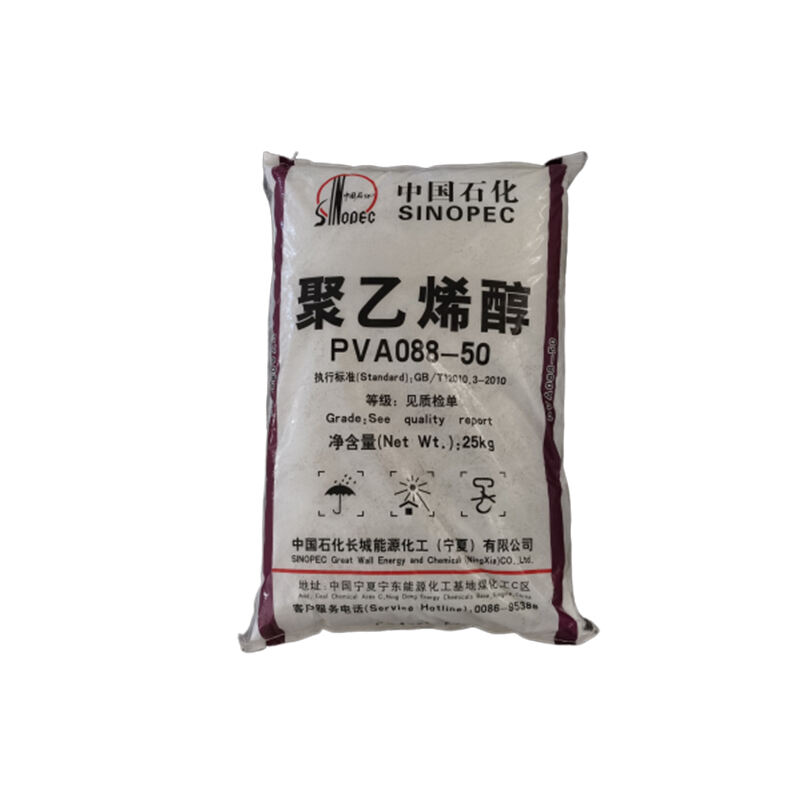
Understanding Polyvinyl Alcohol and Its Role in Paper Coatings
Polyvinyl alcohol, or PVOH for short, comes from breaking down polyvinyl acetate through hydrolysis and works really well as a binder in paper coatings. What makes PVOH special is that it dissolves in water and forms great films, which helps spread pigments evenly across surfaces and creates smoother finishes on paper products. Traditional binders just don't do this as effectively. The reason? PVOH molecules have lots of hydroxyl groups that bond with cellulose fibers in the paper itself. This creates stronger adhesion between layers and cuts down on dust problems when converting paper products later on in manufacturing. Paper mills appreciate these benefits because they translate to better quality end products with fewer processing issues.
What is polyvinyl alcohol and how it functions in paper coatings
Polyvinyl alcohol (PVOH) serves dual purposes in coating applications - acting as both a binding agent and creating a protective layer. Dissolve this substance in water-based solutions and watch it create a pliable film that fills spaces between common materials such as calcium carbonate pigments and paper fibers. The way these components interact actually strengthens the connections between individual fibers within the paper matrix. For those working with recycled paper products, this means significantly better dry strength properties, typically boosting performance somewhere around 30 to 40 percent according to what many manufacturers have observed through their own testing processes over time.
Key properties of polyvinyl alcohol that enhance coating integrity
- High tensile strength: Withstands mechanical stress during printing and folding
- pH stability: Performs consistently across acidic and alkaline coating formulations
- Grease resistance: Reduces liquid penetration in food-grade packaging papers
- Biodegradability: Meets sustainable packaging demands without compromising performance
These characteristics make PVOH particularly effective in applications requiring durability and environmental compliance.
Comparison of PVOH with other binders in coating formulations
| Property | PVOH | Starch | Synthetic Latex |
|---|---|---|---|
| Bond Strength | High | Moderate | High |
| Water Resistance | Excellent | Poor | Good |
| Cost Efficiency | Moderate | High | Low |
| Eco-Friendliness | Biodegradable | Renewable | Non-degradable |
PVOH outperforms starch in moisture resistance and surpasses latex in environmental profile, making it ideal for balanced performance requirements. While starch remains cost-effective for basic papers, PVOH delivers superior results in premium packaging and printing applications where coating durability directly impacts end-use performance.
How Polyvinyl Alcohol Enhances Paper Coating Strength
How Polyvinyl Alcohol Enhances Fiber-to-Coating Adhesion
When applied to paper coatings, polyvinyl alcohol (PVA) creates a flexible film that sticks cellulose fibers together with mineral pigments. What makes PVA work so well is those hydroxyl groups in its structure that actually grab onto the surface of the fibers, kind of like molecular glue connecting both organic materials and minerals. This bonding helps prevent layers from peeling apart when papers get printed on or folded repeatedly. Plus it keeps the coating looking consistent even on rougher paper types where other coatings might not spread evenly.
The Role of Hydrogen Bonding in Improving Paper Strength with PVA
What makes PVA perform so well in coatings? The answer lies in hydrogen bonding. When we look at these polymer chains, they're basically covered in those little -OH groups which grab onto cellulose fibers like Velcro strips. This creates these temporary links between molecules. Now here's what happens when something pulls on the material these bonds actually help spread out the stress across the whole coating instead of letting it concentrate in one spot. Tests show this can boost tear resistance anywhere from around 18% up to maybe 22%, pretty impressive compared to regular starch based alternatives. And get this the bonds don't just stay broken forever. After some mechanical stress is applied, they manage to reconnect again, which means the coating keeps holding together even after being handled multiple times.
Impact of PVA Molecular Weight on Tensile and Fold Strength
| Molecular Weight Range | Tensile Strength Gain | Fold Endurance Improvement |
|---|---|---|
| Low (13,000–23,000) | 12–15% | 25–30 cycles |
| Medium (85,000–124,000) | 22–26% | 50–55 cycles |
| High (>130,000) | 31–35% | 60–70 cycles |
Higher molecular weight PVA increases interlayer cohesion but requires precise viscosity control during application. Medium-weight variants balance runnability and strength for most coating processes.
Data Insight: PVA-Based Coatings Increase Dry Strength by Up to 35%
Research shows that when we add PVA to coatings, the dry tensile strength goes up somewhere between 28 to maybe 35 percent compared to what we normally see with regular binders. Why does this happen? Well, basically because there's better hydrogen bonding going on plus those polymer chains get all tangled together. This effect is particularly noticeable in recycled paper products where the fibers aren't always consistent in quality. And here's something interesting: adding just 1% more PVA makes the material about 4.7% stiffer. That might not sound like much at first glance, but when making packaging that needs to stand up against crushing forces during transport, even small increases matter a lot in real world applications.
Optimizing PVA as a Cobinder in Coating Formulations
Why use PVOH as a cobinder in high-performance paper coatings
Polyvinyl alcohol or PVOH works really well as a strong cobinder in paper coatings. What this means is manufacturers can cut down on their main binder usage by around 40% without losing that nice bright finish or glossy look customers want. The reason PVOH performs so great comes down to how its molecules are structured. This special arrangement helps create better films and sticks better to fibers in the coating process all while keeping things running smoothly on production lines. And here's another plus point compared to other cobinders out there PVOH doesn't require those ammonia solutions for dissolving, which makes the whole mixing and applying process much simpler for plant operators day to day.
Compatibility of polyvinyl alcohol with latex and starch binders
PVOH’s hydroxyl-rich structure ensures seamless integration with both synthetic and bio-based binders. When blended with latex, it enhances wet-adhesion and reduces dusting. In starch-based systems, PVOH improves pigment retention and coating uniformity through enhanced hydrogen bonding.
| Binder Type | Compatibility Benefit | Performance Impact |
|---|---|---|
| Latex | Enhanced film elasticity | 15% higher wet tensile strength |
| Starch | Reduced viscosity swings | 22% better coating layer integrity |
Case study: Enhanced coating cohesion using PVOH-latex blends
A 2024 trial by a leading paper manufacturer replaced 30% of latex with PVOH in a premium packaging coating. The reformulation achieved an 18% improvement in wet rub resistance while lowering binder costs by $12/ton. This synergy arises from PVOH’s ability to bridge latex particles and cellulose fibers through covalent interactions.
Optimizing binder ratios for cost and performance balance
Formulators should adjust PVOH content between 10–25% of total binder solids depending on substrate porosity and drying constraints. Industry findings show a 17% PVOH / 83% latex ratio delivers optimal dry pick resistance (∙94 IGT points) at minimal material cost. Exceeding 30% PVOH may impair flow unless rheology modifiers are used.
Practical Formulation Tips for Effective PVA-Based Coatings
Best practices for dispersing polyvinyl alcohol in aqueous systems
Achieve uniform dispersion by pre-hydrating PVA in warm water (40–50°C) while gradually increasing agitation to 400–600 RPM. Dissolving PVA at 10–15% concentration minimizes lumping and keeps viscosity below 500 mPa·s, according to formulation trials.
Effect of PVA degree of hydrolysis on coating rheology
The hydrolysis level directly influences viscosity and performance:
| Hydrolysis (%) | Viscosity (25°C) | Ideal Application |
|---|---|---|
| 87-89 | 25-35 mPa·s | High-speed coating |
| 93-95 | 45-60 mPa·s | Barrier layers |
| 98-99 | 80-120 mPa·s | Specialty papers |
Higher hydrolysis grades (>95%) improve water resistance but require strict temperature control during dissolution.
Temperature and pH considerations in PVA formulation
Maintain solution temperatures between 25–40°C during application; exceeding 50°C accelerates viscosity breakdown by 12–18% per hour. For optimal hydrogen bonding, keep pH neutral (6–8). Acidic conditions (<4.5) degrade PVA’s hydroxyl groups, potentially reducing adhesive strength by up to 40%.
Avoiding common pitfalls in poly(vinyl alcohol) (PVA) application
Never add PVA powder directly into running mixers—pre-disperse in 10% of the total water volume first. Phased addition over 15–20 minutes reduces gel particle formation by 65% compared to bulk loading. In multi-binder systems, introduce PVA after starch but before latex to prevent competitive adsorption and ensure uniform film development.
Maximizing Pigment Interaction and Coating Performance with PVA
How PVOH Affects Pigment Dispersion and Retention
Polyvinyl alcohol, sometimes called PVOH, works really well at spreading out pigments because it acts like a special kind of dispersant material. What makes PVA so effective is its ability to attract water molecules, which helps keep things mixed together when working with materials like kaolin clay and calcium carbonate. The hydrogen bonds formed between these substances actually stop them from clumping up during the coating process. When this happens, the finished product looks better visually and prints more consistently across different surfaces. Studies show that when manufacturers tweak their PVA formulas just right, they can boost pigment retention rates by around 22 percent over traditional starch based alternatives. This improvement means less wasted material sitting around in mills waiting to be processed again later on.
Optimal Pigment-to-PVA Ratio for Maximum Coating Strength
A pigment-to-PVA ratio of 3:1 to 4:1 delivers the best balance between fluidity and binding capacity. Higher PVA levels (>20% dry weight) boost tensile strength but risk excessive viscosity, while lower ratios (<2:1) weaken barrier performance. Research shows a 3.5:1 ratio achieves 28% higher Scott Bond scores than average, indicating superior interlayer adhesion.
Trend: Nano-clay and Calcium Carbonate Synergies with PVA
Today's advanced formulas take advantage of how well PVA works with nano-clay particles and precipitated calcium carbonate (PCC) when making these special coatings. When the nano-clay platelets line up thanks to PVOH's ability to form films, they actually block oxygen better by around 40 percent. Meanwhile, those PCC mixed with PVA materials manage to hit impressive brightness levels at about 94% ISO rating, all while keeping good fold resistance intact. Many paper mills are switching to these combo systems now, replacing roughly 15% of their regular pigments. This not only helps save money but also meets those tough GREENGUARD standards for indoor air quality that so many customers care about these days.
FAQ
What makes polyvinyl alcohol suitable for paper coatings?
Polyvinyl alcohol (PVOH) is ideal for paper coatings due to its water solubility, film-forming ability, and strong adhesion properties, which significantly improve the finish and quality of paper products.
How does PVOH compare to other binders like starch and synthetic latex?
PVOH excels in moisture resistance and eco-friendliness, outperforming starch and maintaining a better environmental profile than synthetic latex, although starch may be more cost-effective for basic applications.
Can PVOH be used in combination with other binders?
Yes, PVOH can be integrated with both synthetic and bio-based binders, enhancing properties such as wet adhesion with latex and pigment retention with starch.
What is the impact of PVA molecular weight on paper strength?
Higher molecular weight PVA increases interlayer cohesion and enhances tensile and fold strength, although viscosity must be managed carefully during application.