 EN
EN

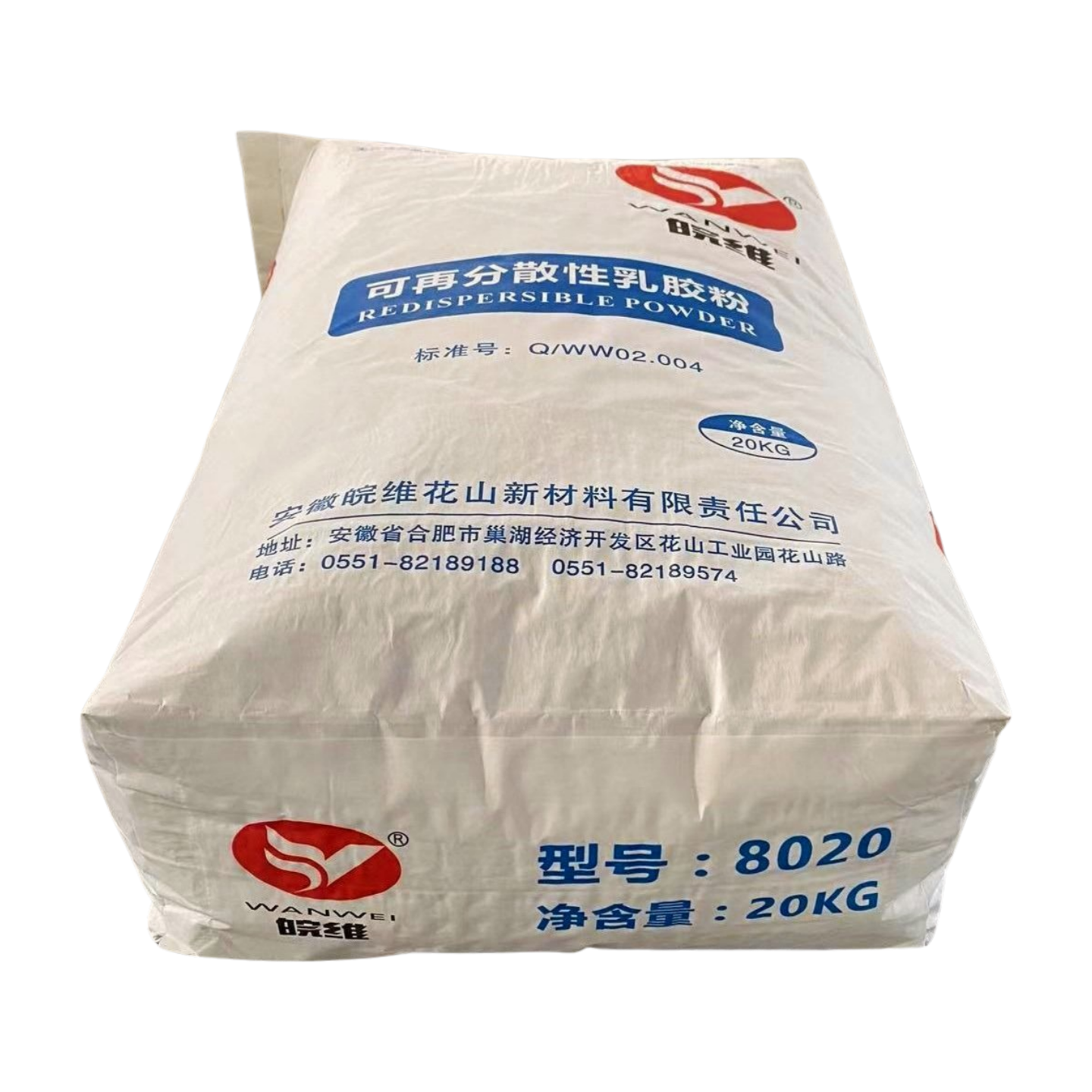
RDP Boosts Adhesion and Bond Strength in Cementitious Systems
How RDP Forms a Continuous Polymer Film at the Interface
Redispersible Polymer Powder (RDP) enhances adhesion by forming a cohesive, flexible polymer film at the interface between cement particles and substrates. Upon mixing with water, RDP particles redisperse, migrate to interfacial zones, and coalesce into a continuous phase that bridges micro-cracks and pores. This film improves mechanical interlock while lowering surface energy—enabling strong, durable bonds even on low-energy or smooth surfaces like glazed tiles or cured concrete. Crucially, the polymer phase absorbs stresses from thermal expansion, substrate movement, or structural settling, mitigating brittle failure common in unmodified mortars. Field validation confirms RDP-modified adhesives retain bond integrity after extended water immersion and repeated freeze-thaw cycles.
Real-World Impact: 3–5% RDP Dosage Improves Tile Adhesive Performance by 40–60%
A targeted 3–5% RDP dosage delivers consistent, field-proven gains in tile adhesive performance—increasing bond strength by 40–60% over unmodified mortars, per EN 12004 and ISO 13007 testing standards. This uplift is especially critical for heavy natural stone tiles (>9 kg/m²), large-format porcelain installations, and moisture-sensitive environments such as bathrooms and wet rooms. The polymer’s flexibility accommodates differential movement in seismic zones and high-rise structures, reducing hollow-sound failures by up to 75%. Contractors report a 30% reduction in post-installation callbacks—particularly where rigid bonds risk delamination due to substrate flexure or thermal cycling.
RDP Enhances Crack Resistance and Flexural Toughness
Micro-Mechanism: Latex Phase Interpenetration Bridges Microcracks Under Stress
As RDP disperses and coalesces during mortar drying, it forms an elastic polymer network that interpenetrates the cement hydrate structure. Under tensile stress or shrinkage, microcracks initiate preferentially at weak points in the cement matrix—but the latex phase bridges these incipient flaws, deforming elastically to absorb strain energy and arrest propagation. This mechanism significantly increases flexural toughness, allowing RDP-modified mortars to sustain greater deformation before fracture. The result is enhanced long-term durability, especially in dynamic or thermally fluctuating environments.
Market Validation: Surge in RDP-Modified Renders for Seismic-Resilient Construction (2020–2024)
The crack-bridging functionality of RDP has accelerated adoption in earthquake-prone regions, where building codes now emphasize ductility and damage tolerance. Between 2020 and 2024, demand for RDP-modified exterior renders and interior plasters rose sharply in markets with stringent seismic regulations—including Japan, California, Turkey, and New Zealand. These systems dissipate cyclic tensile energy from ground motion without catastrophic cracking, maintaining envelope integrity and preventing water ingress pathways that compromise insulation and structural longevity. Structural engineers increasingly specify RDP-modified plasters for façade systems and partition walls—not as a niche additive, but as a core component of resilient, code-compliant construction.
RDP Optimizes Workability, Open Time, and Water Retention
Rheological Control: RDP Stabilizes Particles and Extends Hydration Window
RDP exerts precise rheological control in dry-mix mortars through dual mechanisms: steric stabilization and water retention. Dispersed polymer particles adsorb onto cement grains, creating a physical barrier that inhibits premature flocculation and sedimentation. This maintains homogeneity and extends open time—the window during which the mortar remains plastic and reworkable after mixing. Simultaneously, the polymer film formed upon hydration reduces capillary water draw into porous substrates like brick, aerated concrete, or old masonry. By slowing water loss, RDP ensures more uniform and sustained cement hydration—improving consistency, reducing cracking risk, and supporting reliable early-age strength development. These benefits translate directly to site efficiency: easier troweling, fewer application errors, reduced rework, and greater scheduling flexibility—especially under hot, dry conditions or on highly absorbent backgrounds.
FAQ
What is Redispersible Polymer Powder (RDP)?
RDP is a powder polymer additive used in cementitious systems to enhance adhesion, bond strength, crack resistance, workability, and durability.
How does RDP improve adhesion?
RDP forms a continuous polymer film at the interface, reducing surface energy and bridging micro-cracks to enable durable and strong bonds.
What is the recommended dosage of RDP for tile adhesives?
A dosage of 3–5% is typically recommended to improve tile adhesive performance by 40–60% over unmodified mortars.
Can RDP help with crack resistance in mortars?
Yes, RDP improves crack resistance by forming an elastic polymer network that bridges microcracks and arrests their propagation under stress.
Does RDP enhance workability in cementitious systems?
RDP stabilizes particles and retains water, enabling better rheological control, extended open time, and improved mortar consistency.