 EN
EN

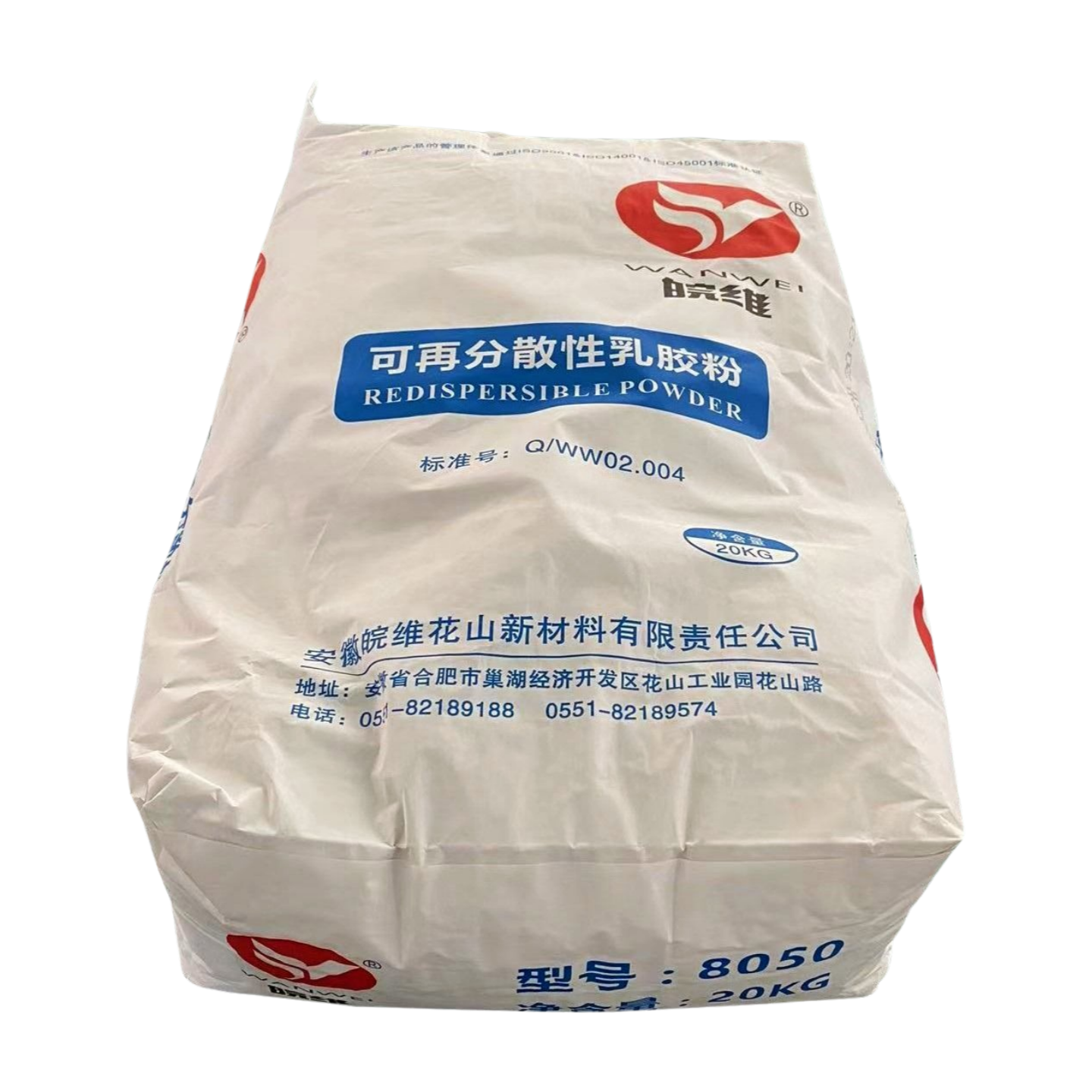
How RDP Enhances Mortar Adhesion: Core Scientific Mechanisms
Polymer Film Formation and Interfacial Bridging
Redispersible Polymer Powder (RDP) works its magic when it gets hydrated, forming a kind of polymer network that connects cement particles with whatever surface they're applied to. The resulting film grabs onto rough spots in porous materials and sticks chemically to minerals too, basically creating an extra glue layer alongside what the cement does naturally. Tests show this double action can boost bond strength anywhere from about 30% up to maybe even triple what regular mortar would achieve according to various material research papers out there. Pretty impressive stuff for something so small!
Improved Surface Wetting and Substrate Penetration
The surfactant characteristics of RDP help lower surface tension, which allows mortar to penetrate much deeper into materials like concrete and expanded polystyrene insulation. When the wetting action improves, it creates stronger mechanical bonds between the mortar and substrate while also building those important moisture barriers right at the points where water typically gets in. We see this advantage most clearly with tiles that don't absorb much water and other smooth surfaces where regular mortars just won't stick properly because they can't form adequate adhesion. Contractors working with these challenging materials report significantly better results when using RDP enhanced products.
RDP-Induced Viscoelasticity: Optimizing Cohesion–Adhesion Balance
A polymer matrix gives mortars just the right amount of flexibility so they can handle structural stress without developing cracks. When we talk about RDP, it works because it finds a good balance between how well materials stick together inside versus how they bond to surfaces around them. This helps keep everything intact even when temperatures fluctuate or loads change over time. Tests show that this special elastic property cuts down on delamination problems during those harsh freeze-thaw cycles. According to standard tests following ASTM C666 guidelines, there's actually about a 40 percent reduction in these issues compared to traditional methods.
Proven RDP Adhesion Performance in Tile Adhesives and Repair Mortars
Bond Strength Gains Verified by ASTM C1583 and EN 1542 Testing
Testing according to ASTM C1583 modified pull-off method and EN 1542 tensile adhesion standards shows that mortars modified with RDP can reach adhesion levels around 200% higher compared to regular formulations without modification. What makes this work so well is how RDP operates in two ways at once. First, those polymer films actually fill in tiny cracks where the material meets the surface below. At the same time, better wetting properties let the cement mix penetrate much deeper into the substrate. And here's something really important for anyone working on building exteriors: these modified mortars hold their grip even when subjected to repeated stress cycles. This matters a lot for tile facades that expand and contract with temperature changes throughout the day.
Real-World Applications: Thin-Set Systems and Structural Repairs
In thin-set tile adhesives, adding 2–3% RDP ensures reliable bonding to low-absorption surfaces like porcelain while resisting stresses from substrate deformation. For structural repairs, RDP-modified mortars outperform conventional mixes through:
- Enhanced waterproofing: Polymer networks reduce water absorption below 5%, preventing freeze-thaw damage in bridge deck repairs
- Dynamic load tolerance: Viscoelastic properties accommodate structural vibrations in industrial flooring
- Crack resistance: Flexible polymer films compensate for shrinkage in concrete patching
These attributes make RDP essential in high-stress applications where long-term adhesion failure is not an option.
Optimizing RDP Dosage for Maximum Adhesion and System Stability
Dosage Thresholds: Balancing Adhesion Gains Against Workability and Cost
The ideal amount of RDP usually falls somewhere between 1.5% and 4% when measured by weight. If we go below 1.5%, the polymer film just isn't thick enough to make much difference in bonding quality. But once we pass 4%, things start getting worse instead of better. The mixture becomes too thick to work with properly, traps more air during application, and ends up weakening the final product by around 15 to 25% according to industry reports from last year. Tile adhesive products generally do their best with about 2 to 3% RDP content. Flexible S1/S2 systems need higher concentrations, somewhere between 3 and 6%, because they have to deal with all sorts of movement over time. For repair mortars, aiming for 3 to 5% seems to give good results since it helps the material penetrate deeper into existing surfaces. Every additional 1% of RDP adds roughly 15 to 20% to material costs though, which is why most manufacturers run tests using ASTM C1583 standards along with checking how the mix behaves under different temperatures and humidity levels before settling on final specifications.
Why RDP Outperforms Alternative Additives for Mortar Adhesion
RDP vs. Latex and PVA: Adhesion Retention Under Freeze–Thaw and Immersion
When it comes to sticking power in tough conditions, RDP outperforms both liquid latex and polyvinyl acetate (PVA) additives hands down. Most mortar mixes containing latex or PVA tend to lose somewhere between 40 to 60 percent of their bonding strength after going through about 50 freeze-thaw cycles or sitting in water for extended periods. Meanwhile, systems modified with RDP hold onto over 90% of their original adhesion properties even under these harsh conditions. The reason behind this performance boost lies in RDP's water repelling polymer structure that keeps moisture out while still allowing flexibility at the interface points. Contractors working on outdoor projects like balcony installations or around swimming pools will notice the difference immediately since RDP stops those annoying layers from peeling off when exposed to constant wetting and drying cycles plus extreme temperature changes that typically break down regular additive formulations.
FAQ Section
What is RDP and how does it enhance mortar adhesion?
Redispersible Polymer Powder (RDP) enhances mortar adhesion by forming a polymer network that increases bond strength, improves wetting action, and adds flexibility to the mortar.
How does RDP improve surface wetting and penetration?
RDP acts as a surfactant, lowering surface tension and allowing deeper penetration into materials, which strengthens mechanical bonds and builds effective moisture barriers.
What are the recommended RDP dosage levels?
Recommended RDP dosage usually ranges from 1.5% to 4%, depending on the application. Tile adhesives generally require 2% to 3%, while repair mortars work well with 3% to 5%.
How does RDP compare to other additives like latex and PVA?
RDP retains over 90% of its adhesion properties under harsh conditions, outperforming alternatives such as latex and polyvinyl acetate (PVA), which typically lose 40% to 60% bonding strength.
What real-world applications benefit from RDP-enhanced mortars?
Applications like thin-set tile systems, bridge deck repairs, and industrial flooring benefit from RDP-enhanced mortars due to their waterproofing, load tolerance, and crack resistance properties.