 EN
EN

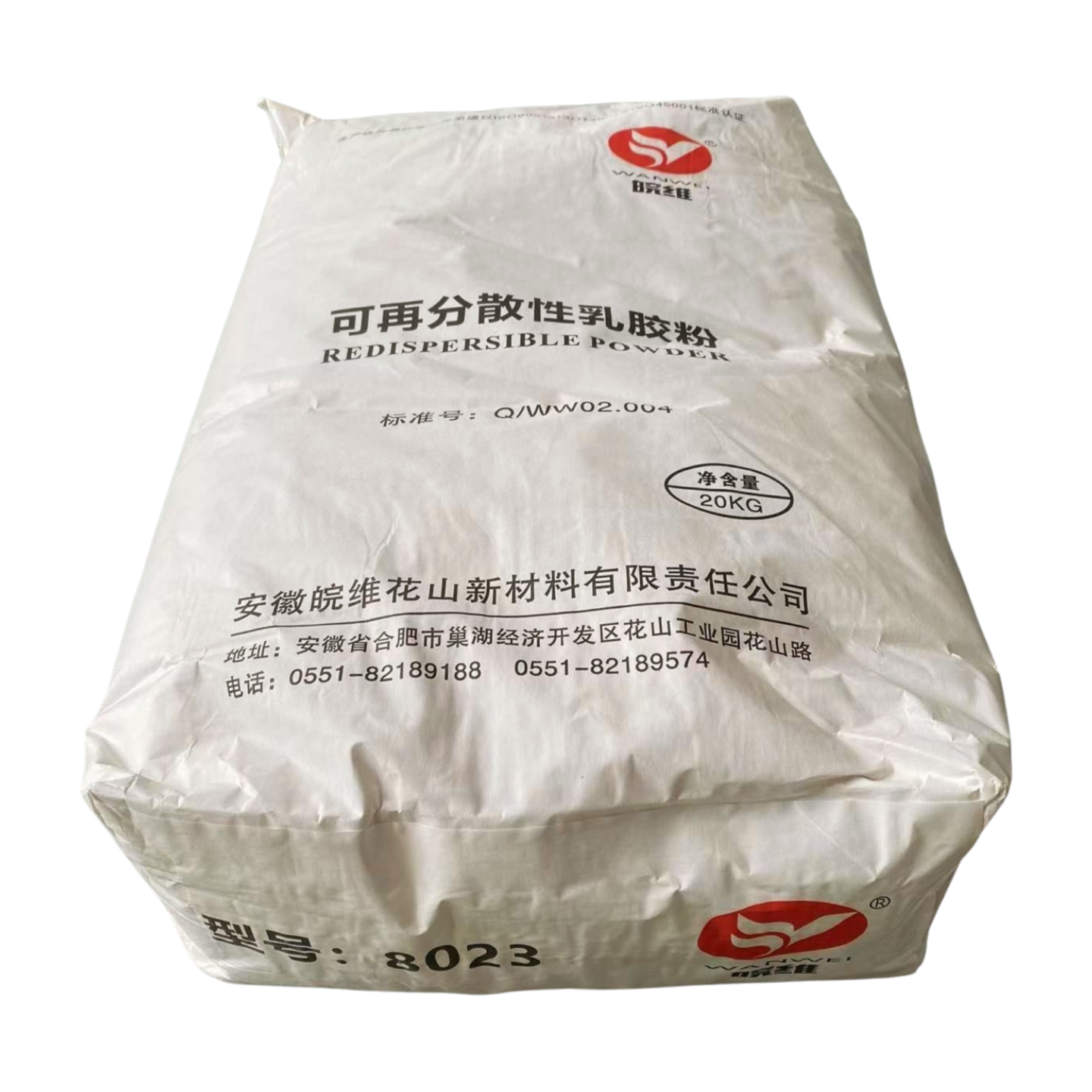
How RDP Enhances Bond Strength and Interfacial Adhesion
Film Formation and Redispersion Mechanism in Cement Hydration
When mixed with water, Redispersible Polymer Powder (RDP) becomes a continuous flexible film as the cement hydrates. The process called redispersion happens when those dry polymer particles get wet again, they swell up and stick together forming what looks like a web. This web connects all the tiny gaps between cement particles and whatever surface it's applied to. What makes this special is how deeply it gets into the microscopic structure of materials. It creates these mechanical locks that actually hold things together under stress. These connections help materials withstand forces trying to push them apart and also allow for some flexibility when temperatures change or surfaces move naturally over time without falling apart.
RDP Reinforcement of the Interfacial Transition Zone (ITZ)
RDP makes a big difference in strengthening what's called the interfacial transition zone or ITZ for short. This area sits right between the aggregate particles and the surrounding cement paste, and it's naturally full of tiny holes making it quite weak compared to other parts of the material. When we apply RDP, it cuts down on those pores by around 40 percent, which basically packs everything tighter together in this important spot. Plus, there are these special water-repelling polymer chains added that actually change how surfaces interact at microscopic level. They reduce surface tension so things stick better when mixed with water. For materials such as concrete that have lots of open spaces inside them, this matters a lot because without modification, these ITZ areas might only hold about half the strength they should relative to the main body of the concrete itself. That kind of weakness can lead to cracks forming much sooner than expected under normal conditions.
Case Evidence: VAE-Based RDP Boosts Bond Strength by 68% (ASTM C1583)
When it comes to Vinyl Acetate-Ethylene (VAE) copolymer RDP, the improvements are pretty noticeable during standard tests. According to ASTM C1583 standards, this stuff boosts bond strength by about 68% over regular mortar. Why? Because it does two things at once: makes those interfacial transition zones much denser while also creating a flexible film layer. What really matters for contractors is how well it holds up through all those freezing and thawing seasons. The material stays sticky even when tiles expand and contract differently across large areas. We've seen fewer instances of tiles coming loose from walls and floors in actual construction projects since switching to VAE-based products. Makes sense why so many professionals are making the switch these days.
RDP’s Effect on Fresh-State Performance: Flow, Workability, and Stability
Steric Stabilization and Slump Retention via Particle Surface Modification
The improvement in fresh state behavior when using RDP is mainly due to what we call steric stabilization. When surface modified polymer particles stick to the cement grains, they create these repulsive forces which stop the materials from clumping together and cut down on internal friction inside the mix. What this means for the concrete workability? Well, slump retention can last about 40% longer compared to regular mixes, and there's much less water separation happening during pouring. Bleeding and segregation problems basically disappear. For self leveling compounds, this translates into better flow properties that last longer, so the material keeps its self compacting characteristics even after sitting around for some time. Contractors get uniform settlement across large areas and end up with quality surfaces that don't require all that tedious hand troweling at the finish stage.
Reduced Yield Stress and Extended Application Window
RDP functions like a kind of molecular lubricant between those solid particles, which lowers the yield stress and makes pumping and spreading much easier overall. What this means is materials can flow on their own with about 15 to 20 percent less energy needed compared to standard methods. Another benefit comes from how RDP interferes with certain points where cement starts to hydrate, slowing down when viscosity begins to increase. This gives workers roughly 25 to 30 extra minutes before the material becomes too thick to work with effectively. These extended working times are really helpful for big area pours and making smooth transitions between batches. The result? Fewer cold joints forming during construction while still maintaining at least 95 percent consistent compression throughout different placement areas.
Optimizing Mechanical Performance with RDP: Flexural Strength, Compressive Strength, and Timing
Balancing Flexural Gain and Early-Stage Compressive Development (2–4 wt% RDP Optimum)
When RDP is added to concrete mixtures, it actually makes the material stronger against bending forces. This happens because the RDP creates flexible polymer layers that connect tiny cracks and spread out stress points throughout the material. At just the right amounts between 2 and 4 weight percent, we typically see around 15 to 20 percent better performance. What's really important about these levels is they don't slow down how quickly the concrete gains initial strength. Tests show that even after three days, the mixture still reaches at least 80% of what regular mortar would achieve according to standard testing methods. Going beyond 4 weight percent starts causing problems though. The extra RDP can mess with how fast the chemical reactions happen in the concrete and weaken its ability to support loads early on. That's why getting the dosage right matters so much for achieving good overall results without sacrificing key properties.
Synergy Between RDP and PCE Superplasticizers to Sustain ¥25 MPa at 28 Days
When RDP is combined with Polycarboxylate Ether (PCE) superplasticizers, we see significant improvements in concrete performance. The PCE component cuts down on water requirements and spreads particles more evenly throughout the mix, which helps counteract the slight delay in setting time that RDP can cause. At the same time, RDP works to improve how well the materials stick together, resist shrinking after curing, and maintain structural integrity at the interface between different components. Field tests show these combinations typically retain over 95% of their initial slump when being placed, and most samples reach compressive strengths between 25 and 30 MPa after 28 days. Looking at what happens at the microscopic level, PCE makes better use of space between particles, while RDP strengthens those critical areas where different materials meet and fills tiny gaps that would otherwise weaken the structure. This dual action results in stronger, longer lasting concrete overall.
Microstructural Role of RDP: Crack Bridging vs. ITZ Densification
The way RDP changes cement structures happens mainly through two connected processes. When stress builds up, the dispersed polymer films actually stretch across tiny cracks that start to form. These films soak up energy, stop cracks from spreading further, and keep things intact even when temperatures fluctuate or the base material shifts slightly. The second mechanism works differently but just as important. RDP fills those little capillary holes in the mix and creates strong connections between the cement particles and the aggregate materials. What this means is fewer spots where problems can begin. Manufacturers who tweak their formulas to balance both these effects see something remarkable: bond strengths that are about 68% better than regular mixes. That kind of performance boost explains why so many contractors now specify RDP modified compounds for jobs where durability matters most.
FAQ Section
What is Redispersible Polymer Powder (RDP)?
RDP is a type of powder used in concrete mixtures that creates a flexible film when hydrating, enhancing bond strength and interfacial adhesion.
How does RDP affect the interfacial transition zone (ITZ)?
RDP strengthens the ITZ by reducing pores by approximately 40% and modifying surface interactions, improving durability.
What is the impact of VAE-Based RDP according to ASTM C1583?
VAE-Based RDP increases bond strength by 68% compared to regular mortar, improving performance in freezing and thawing conditions.
How does RDP improve fresh-state performance?
RDP enhances flow, workability, and stability in fresh concrete through steric stabilization and surface modifications.
What benefits do RDP and PCE superplasticizers offer in concrete mixtures?
Together, they improve mechanical properties, reduce water requirements, and sustain high compressive strengths over time.
Table of Contents
- How RDP Enhances Bond Strength and Interfacial Adhesion
- RDP’s Effect on Fresh-State Performance: Flow, Workability, and Stability
- Optimizing Mechanical Performance with RDP: Flexural Strength, Compressive Strength, and Timing
- Microstructural Role of RDP: Crack Bridging vs. ITZ Densification
- FAQ Section