 EN
EN

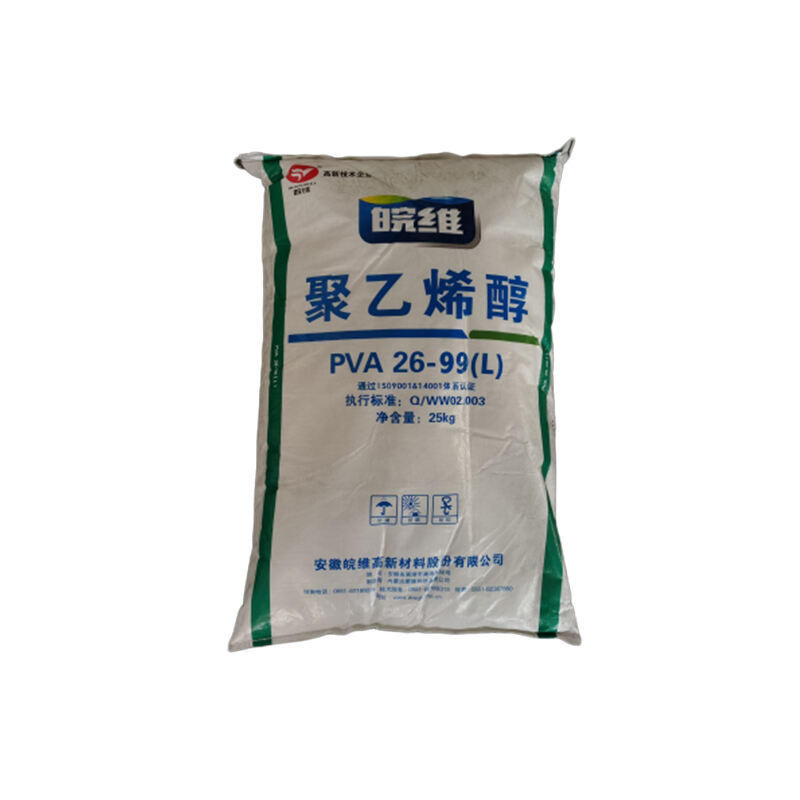
Why Polyvinyl Alcohol Is Critical for Colloidal and Shelf Stability
Hydrogen Bonding and Steric Hindrance: Dual Mechanisms That Prevent Aggregation
Water based inks get stabilized by polyvinyl alcohol (PVA) through two main ways that work together nicely. First off, those hydroxyl groups in PVA bond with pigment particles, basically forming a protective layer around them that stops them from clumping together. At the same time, when PVA is only partly broken down (around 87 to 99% hydrolysis), these molecules act like little shields between particles, preventing them from bumping into each other. Tests done by the American Coatings Association back this up, showing settling drops by as much as 80% compared to regular unstabilized systems. What makes PVA stand out from other stabilizers is how it keeps working even when pH levels change, which matters a lot for inks stored under different conditions. Ink manufacturers see this as a big plus since pigments stay evenly distributed for more than a year, cutting down on expensive fixes needed when stuff settles at the bottom of containers.
PVA vs. Acrylic Emulsions: Viscosity Control, Film Formation, and Long-Term Dispersion Integrity
While acrylic emulsions offer initial stability, PVA delivers superior colloidal integrity over an ink’s full lifecycle:
| Property | PVA-Based Systems | Acrylic Emulsions |
|---|---|---|
| Viscosity Stability | ±5% change after 6 months | ±15–20% change |
| Film Formation | Seamless coalescence | Brittle at <30% humidity |
| Dispersion Longevity | 18+ months | 6–9 months |
Low molecular weight PVA (13–22 kDa) optimizes drying speed without sacrificing rub resistance. In contrast, acrylics often require plasticizers that migrate over time, causing ink film cracking. PVA’s covalent bonding with cellulose fibers further enhances print durability in packaging applications—reducing rub-off by 40% in accelerated aging trials.
Balancing PVA Molecular Weight and Hydrolysis Degree for Optimal Performance
How Hydrolysis Degree (87–99%) Governs pH Sensitivity, Water Resistance, and Binder Compatibility
The hydrolysis degree of polyvinyl alcohol (PVA) directly dictates ink stability through three critical mechanisms:
- pH Sensitivity: Fully hydrolyzed PVA (>98%) maintains colloidal stability in alkaline conditions but precipitates below pH 5. Partially hydrolyzed grades (87–92%) tolerate broader pH ranges (3–10), enabling compatibility with acidic binders.
- Water Resistance: Higher hydrolysis (≥95%) reduces cold-water solubility, enhancing water resistance in packaging inks. At 88% hydrolysis, PVA dissolves at 25°C but forms insoluble films above 50°C—ideal for heat-sealable cartons.
- Binder Compatibility: Mid-range hydrolysis (90–94%) optimizes hydrogen bonding with acrylic emulsions, preventing phase separation and supporting uniform pigment dispersion and viscosity stability during storage.
Low-MW Polyvinyl Alcohol (13–22 kDa): Accelerating Drying While Maintaining Gloss and Rub Resistance
Low molecular weight PVA (13–22 kDa) enhances water-based ink performance through:
- Faster Drying: Reduced polymer chain length lowers solution viscosity by 30–40% versus high-MW PVA, accelerating solvent evaporation and cutting drying time by 25% without forced heating.
- Surface Gloss Retention: Short chains form denser films during curing, increasing light reflection for 85+ GU gloss ratings—matching solvent-based inks.
- Mechanical Durability: Optimized 18–22 kDa PVA maintains crosslink density despite rapid drying, achieving >50 cycles on Sutherland rub testers—balancing production speed with end-use resilience.
*Data reflects industry testing of PVA grades in flexographic inks (2024).
Solving Real-World Instability Issues with Targeted Polyvinyl Alcohol Selection
Case Study: Beverage Carton Printer Achieves 92% Reduction in Ink Settling Using Partially Hydrolyzed Polyvinyl Alcohol
One big name in beverage packaging was dealing with serious issues where pigments kept settling out of their water based inks when running at top speed on the presses. The old ink formulas needed non stop shaking just to keep everything mixed properly, which naturally led to all sorts of slowdowns on the line plus colors that varied from batch to batch. When they switched things up by adding polyvinyl alcohol with around 88 to 92 percent hydrolysis and molecules sized between 18 and 22 kilodaltons, something changed. This new approach created better steric stabilization effects and stronger hydrogen bonds between particles, stopping them from clumping together. Plus it maintained good viscosity even when pH levels shifted around during processing.
The partially hydrolyzed PVA adsorbed onto pigment surfaces, forming a physical barrier that minimized gravitational settling. This eliminated the need for anti-sedimentation additives—reducing costs by 15% and improving ink recyclability. Post-implementation testing showed a 92% decrease in sludge formation after 30 days of storage. Print quality metrics also improved:
- Rub resistance increased by 40%
- Dot gain uniformity rose to 98% consistency
- Viscosity drift remained below ±5% during 8-hour runs
The optimized formulation extended shelf life to 9 months without agitation—a critical achievement for just-in-time production environments where storage stability directly impacts operational efficiency.
Best Practices for Integrating Polyvinyl Alcohol into High-Performance Water-Based Ink Systems
Getting polyvinyl alcohol properly mixed into water based inks requires following specific steps and keeping things under control. Start off by slowly incorporating the PVA while dispersing pigments so we don't end up with clumps forming in certain areas. Keeping the mixture around 40 to 50 degrees Celsius helps dissolve the material faster but be careful not to overheat it since that can ruin the properties. For mixing, most folks find success using high shear equipment set between 800 and 1200 revolutions per minute for roughly an hour or so. The goal here is getting everything evenly distributed. Throughout this whole process, checking the viscosity regularly makes sense too. We want consistency within about plus or minus 5 percent to ensure good results when applying the final product.
After mixing, adjust the pH level between 8 and 9 by adding either ammonia or amines to get better hydrogen bonding with the pigments in the formulation. The hydrolysis grade needs to be calculated early on since it depends heavily on how the material interacts with different substrates. When working with non porous surfaces such as coated cardboard, aim for around 87 to 89 percent hydrolysis to maintain flexibility. Pair this with low molecular weight PVA ranging from 13 to 18 kilodaltons if quick drying times are absolutely necessary for production schedules. To check if the ink remains stable over time, run accelerated shelf life tests where we measure settling rates at 45 degrees Celsius for 48 straight hours as our main indicator of success or failure. Don't forget to perform regular quality control checks throughout manufacturing for viscosity levels, pH balance, and surface tension measurements on every single batch produced.
Frequently Asked Questions
Why is polyvinyl alcohol important for water-based inks?
Polyvinyl alcohol is crucial for water-based inks because it stabilizes the dispersed pigments through hydrogen bonding and steric hindrance, preventing aggregation and settling, which enhances shelf stability and dispersion longevity.
How does PVA compare to acrylic emulsions?
While acrylic emulsions provide initial stability, PVA offers superior viscosity control, film formation, and prolonged dispersion integrity, making it a better option for ink systems over their entire lifecycle.
What is the role of hydrolysis degree in PVA's performance?
The hydrolysis degree of PVA affects pH sensitivity, water resistance, and binder compatibility, allowing for enhanced stability and performance in various ink and packaging applications.
How can PVA improve the drying speed of inks?
Low molecular weight PVA reduces solution viscosity and accelerates solvent evaporation, resulting in faster drying times without compromising gloss and rub resistance.
Table of Contents
- Why Polyvinyl Alcohol Is Critical for Colloidal and Shelf Stability
- Balancing PVA Molecular Weight and Hydrolysis Degree for Optimal Performance
- Solving Real-World Instability Issues with Targeted Polyvinyl Alcohol Selection
- Best Practices for Integrating Polyvinyl Alcohol into High-Performance Water-Based Ink Systems
- Frequently Asked Questions