 EN
EN

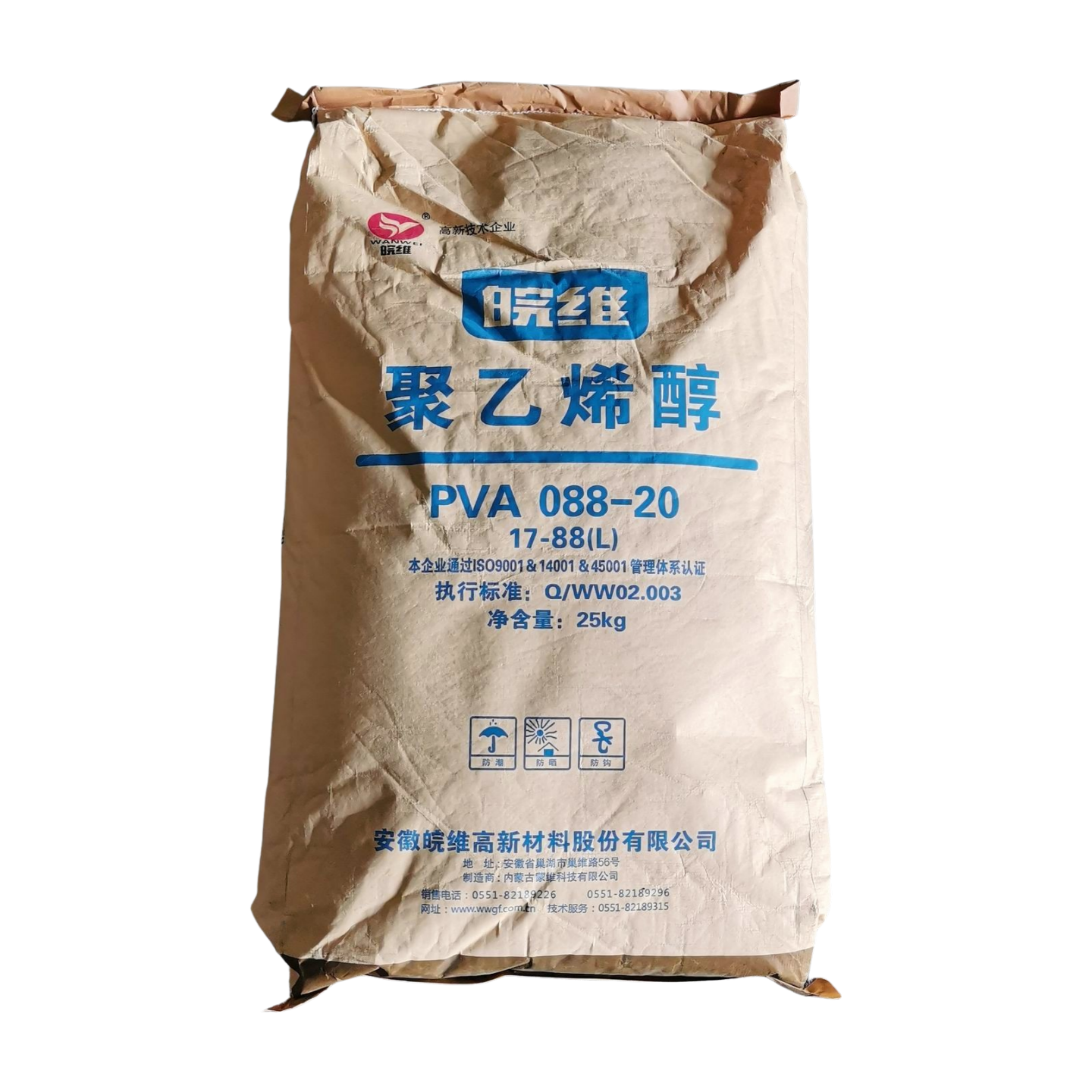
What Is PVA 1788 and How Its Molecular Properties Drive Durability
Chemical Identity, Degree of Hydrolysis, and Molecular Weight Significance
What makes PVA 1788 so durable? Well, it all comes down to how we control those molecules during production. At around 87 to 89% hydrolysis level, this material gets just right. There are enough hydroxyl groups to create strong bonds between molecules and stick well to whatever surface it's applied to. But here's the catch - if there were too many acetate groups left behind, that would mess with how crystalline the structure becomes and affect heat resistance. Now looking at the molecular weight aspect, PVA 1788 has about 130,000 grams per mole which means longer chains can tangle together extensively. These tangled networks make for much stronger materials, sometimes up to 40% better in tensile strength than other PVAs with lower molecular weights. And what about when things get humid? Most polymers start to soften and lose shape, but not PVA 1788. Its special structure stands firm against moisture related issues, keeping everything intact even when environmental conditions fluctuate throughout different seasons or locations.
How PVA 1788’s Film-Forming Ability and Interfacial Adhesion Enhance Long-Term Bond Strength
PVA 1788 creates continuous flexible films that spread out mechanical stress evenly across where things are stuck together. What makes this material stand out is all those hydroxyl groups on its surface that hook up with polar materials like cellulose, wood, and fabrics through strong hydrogen bonds. This actually boosts peel resistance compared to regular glues by around 25 to 35 percent. Another great feature is how the film moves at a molecular level, which stops tiny cracks from forming even after going through hundreds of humidity tests. Cross linking the polymer makes it even better, packing the structure tighter so water can't get in as easily. Tests show this cuts water penetration by about 60%, making PVA 1788 last much longer in tough environments like food packaging, building materials, and wooden laminates where durability matters most.
PVA 1788 as a Durability Enhancer: Mechanisms, Performance Data, and Benchmarking
Toughness Enhancement via Hydrogen Bonding, Chain Entanglement, and Stress Distribution
What gives PVA 1788 its exceptional adhesive strength? Three main factors work together to create this effect. First, there's the hydrogen bonding at interfaces with different materials. Second, the polymer chains get tangled up during application, which actually helps absorb energy when cracks start forming. Third, stress spreads out evenly along the entire bond line instead of concentrating in one spot where it might fail. These benefits reach their peak when the material has around 87 to 89 percent hydrolysis and falls within a molecular weight range of roughly 85,000 to 124,000 grams per mole. This sweet spot allows the adhesive to stay flexible while still holding everything together firmly. Industry experts from the American Coatings Association point out that this combination of properties is why many manufacturers turn to PVA 1788 as their go-to additive for making strong water-based glues used in building structures and assembling cars.
Real-World Validation: Accelerated Aging and Shear/Peel Test Results with PVA 1788-Modified Adhesives
Accelerated aging studies–designed to simulate 5–10 years of real-world exposure–confirm that PVA 1788-modified adhesives retain over 80% of initial bond strength after combined thermal cycling, UV irradiation, and humidity stress. Per ASTM D1002 (lap shear) and ASTM D903 (peel) standards:
- Shear strength increases by 30–40% on wood, metal, and polymer substrates
- Peel resistance improves by 25–35% across all tested materials
These results position PVA 1788 as a performance benchmark for long-term bonding solutions–particularly where reliability under cyclic environmental stress is non-negotiable.
Optimizing Cross-Linking Strategies to Maximize PVA 1788’s Durability Potential
Aldehyde- and Borate-Mediated Cross-Linking for Water Resistance and Thermal Stability
When chemical cross linking happens, it changes PVA 1788 from its original linear shape with water loving properties into something much more stable three dimensionally. The addition of glutaraldehyde creates those strong acetal bonds between neighboring hydroxyl groups. This actually cuts down on water softening effects by somewhere around 40 to maybe even 60 percent. Plus, it pushes back when things start breaking down thermally past 200 degrees Celsius mark. Then there are those borate ions which form these interesting reversible complexes with two alcohol groups at once. They rearrange themselves when pressure is applied, so materials can resist cracking better while still keeping their flexibility intact. All these methods combined mean that after going through about a thousand cycles of humidity testing, peel strength stays above 85%. That makes all this really important stuff for creating long lasting adhesives used in outdoor packaging applications where moisture is always a concern, plus various building components that tend to get damp over time.
Emerging UV- and Enzyme-Triggered Cross-Linking in Bio-Based PVA 1788 Systems
New cross-linking techniques are making it possible to get rid of dangerous chemicals without sacrificing quality. With UV light initiation, acrylates attach themselves to PVA 1788 polymer chains, which means materials can fully harden in less than half a minute and still hold up after being submerged in water for testing purposes. There's also progress happening with enzyme-based methods where enzymes like transglutaminase or laccase create biodegradable connections between molecules. These connections match the strength of traditional formaldehyde treatments but break down completely in about three months when composted industrially. What makes these advances so promising? They slash volatile organic compound emissions by around two thirds compared to older methods. Plus, they meet important environmental standards set by both the EPA and European Union for green adhesives, opening doors for manufacturers looking to go greener without compromising on product quality.
Sustainable Advancements: Eco-Adhesives Leveraging PVA 1788’s Performance and Biodegradability
What makes PVA 1788 special is how it combines strong bonding properties with responsible disposal at the end of its life cycle. Traditional petrochemical based glues stick around forever, but this stuff actually breaks down completely in soil or wastewater treatment plants after just a few months when exposed to oxygen rich environments. We've tested this according to those official standards ISO 14851 and OECD 301B, so there's solid evidence behind these claims. This means less waste going into landfills and fewer tiny plastic particles escaping into our environment. The way the molecules are put together gives it all the strength needed for industrial applications while still being kind to nature. Factories across Europe and California especially appreciate this since they need to follow stricter rules about single use plastics and other environmental protections. As more companies try to implement circular economy practices, PVA 1788 isn't just another adhesive option. It represents something bigger - a real building block for developing truly sustainable bonding solutions in the future.
FAQ
What is PVA 1788?
PVA 1788 is a type of polyvinyl alcohol known for its molecular properties that drive durability, making it an excellent choice for various industrial applications.
How does PVA 1788 enhance durability?
PVA 1788 enhances durability through its degree of hydrolysis, molecular weight, film-forming capability, and interfacial adhesion, which distribute stress evenly and prevent moisture-related damage.
What applications benefit from PVA 1788's durability?
Applications like food packaging, building materials, and wooden laminates benefit from PVA 1788's durability, ensuring long-term reliability even in tough environments.
Are there eco-friendly advancements associated with PVA 1788?
Yes, PVA 1788 has been integrated into sustainable eco-adhesives that break down completely in soil or wastewater, reducing environmental impact.
Table of Contents
- What Is PVA 1788 and How Its Molecular Properties Drive Durability
- PVA 1788 as a Durability Enhancer: Mechanisms, Performance Data, and Benchmarking
- Optimizing Cross-Linking Strategies to Maximize PVA 1788’s Durability Potential
- Sustainable Advancements: Eco-Adhesives Leveraging PVA 1788’s Performance and Biodegradability
- FAQ