 EN
EN

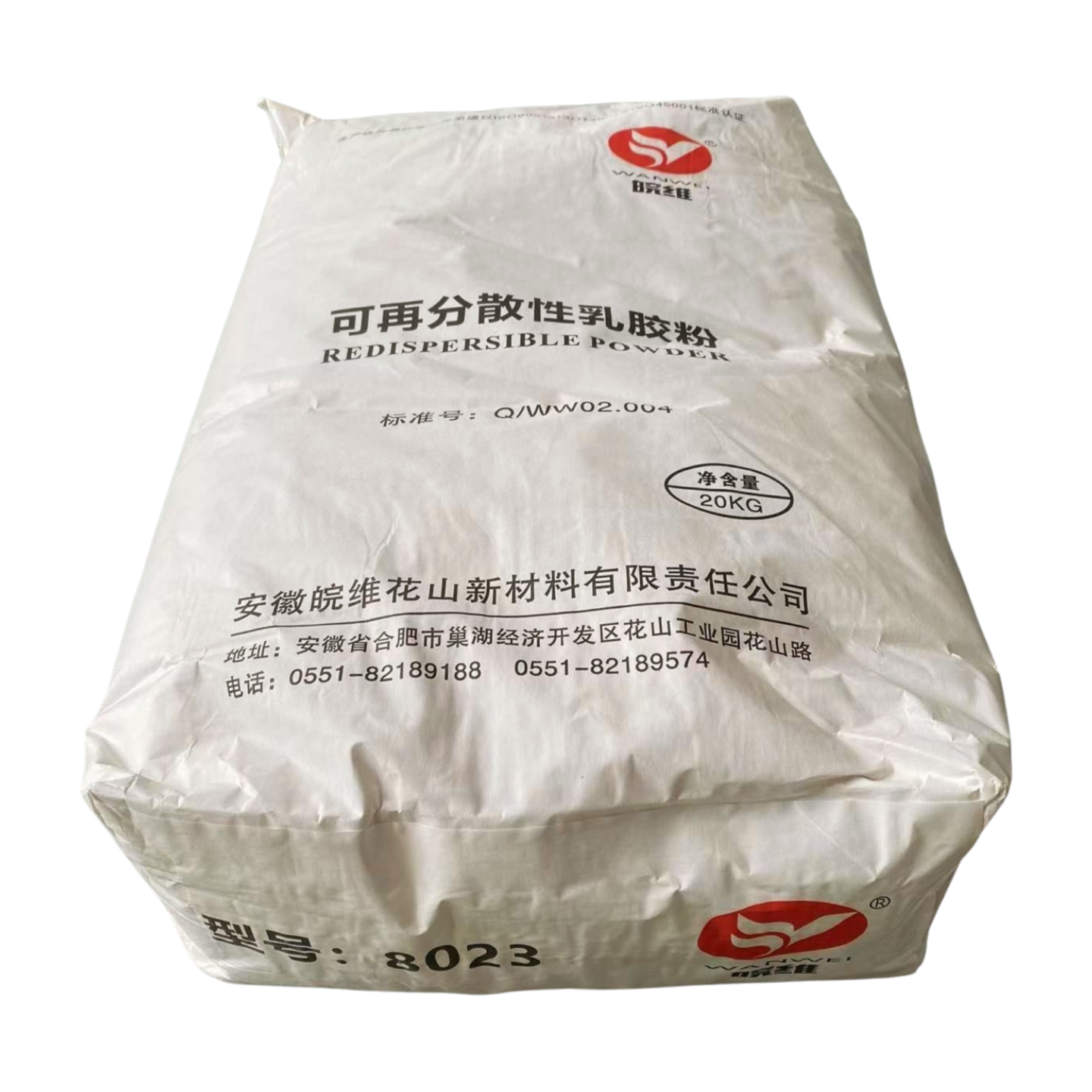
How RDP Reduces Water Demand: Film Formation, Retention, and the Saturation Threshold
Polymer Film Formation and Pore Structure Modification
When mixed, RDP particles spread out through the material and create what's basically a polymer emulsion that gets incorporated into the cement as it starts to hydrate. During the curing process of the mortar, this emulsion comes together to form something like a continuous waterproof layer inside those tiny capillary pores and little cracks that naturally develop. What happens next is pretty interesting - this protective layer actually blocks water from moving through the material while changing how the pores are arranged, turning those connected pathways into separate pockets instead. Most studies show that when we use around 2% RDP, the resulting film cuts down on effective porosity somewhere between 15 to 22 percent. That means less water is needed overall to get the same level of workability in the mix, which makes a big difference in practical applications.
Water Retention Mechanism: Slowing Evaporation and Capillary Loss
RDP-based polymer matrices work as barriers that stop moisture from escaping. These materials cut down on water evaporation by around 30 to 40 percent when things get really dry outside. They also tackle the problem of water being pulled into absorbent materials through two main approaches. First, there are these hydrophobic sections in the film that basically push water away. Second, the viscoelastic network of polymers makes the water inside pores thicker and harder to move. When combined, these features keep important mixing water in the mortar for much longer periods compared to regular mixes without modifications. This means contractors can actually use less water at the start of their projects without worrying about the mixture getting too stiff too soon.
The RDP Saturation Threshold: Why More Polymer â Linear Water Reduction
Once we get past about 2.5 to 3 percent RDP dosage, adding more just doesn't cut it anymore when it comes to reducing water content. The reason? Well, there are several factors at play here. First off, too much polymer tends to bring along extra air bubbles, creating voids somewhere between 4 and 7 percent. Then again, these polymers form overlapping layers that actually slow things down during mixing. And let's not forget those leftover particles that haven't reacted yet but still want their share of the mixing water. Lab tests back this up pretty clearly. When researchers bumped RDP levels from 2% to 4%, they saw barely any improvement in water reduction - maybe just 1 to 3 percent at best. But what they did notice was a significant tradeoff: setting times stretched out by almost two hours straight, and the concrete wasn't as strong after seven days either, showing an 18 percent drop in compressive strength. Definitely something worth considering before going all out on polymer additives.
Optimal RDP Dosage for Water Efficiency: Balancing Performance and Cost
Empirical Sweet Spot: 1.5% VAE-RDP Delivers 8â12% Water Reduction Without Compromising Flow
Research across various field applications points to around 1.5% vinyl acetate ethylene (VAE) RDP as where things really start working well for dry mix mortars. When mixed at this level, the polymer actually does a pretty good job at improving how the pores are structured and holding onto water better. What we see is about 8 to maybe even 12 percent less water needed overall, yet still keeping those important flow characteristics intact. Most importantly, the slump stays comfortably above 160 mm which meets and often beats the ASTM C1437 requirements for workability. This means contractors get smoother application, easier pumping, and enough time to properly trowel before it sets. And there's another benefit too: the final product forms a much denser matrix that significantly cuts down on those annoying shrinkage cracks that plague many mortar jobs.
Risks of Over-Dosage: Delayed Setting, Lower Early Strength, and Diminishing ROI
Exceeding 2.0% RDP introduces significant trade-offs:
- Delayed hydration: Excess polymer films inhibit cement-water contact, extending initial set by 40â90 minutes [Journal of Sustainable Cement-Based Materials, 2023].
- Strength penalties: 28-day compressive strength drops 15â20% at 3.0% dosage versus optimized blends.
- Economic inefficiency: Water reduction plateaus beyond 1.8% VAE-RDP, yielding <2% additional savings per 0.5% increaseâdiminishing ROI while raising material costs by 18â25%.
Comparing RDP Chemistries for Water Demand Control in Dry Mix Applications
VAE-RDP: Highest Water Demand Reduction and Workability at Low w/c Ratios
When it comes to water reduction, Vinyl Acetate Ethylene (VAE) RDP stands out with reductions ranging from around 8% to as much as 15%, all while keeping the mix workable even when using those low water-to-cement ratios. The flexible polymer film this material creates actually works wonders on refining those tiny pores inside the concrete matrix. This helps reduce water loss through capillaries and makes the mortar smoother to work with overall. During the hydration process, particles spread out better and the film holds together nicely, which means contractors can keep troweling consistently even when working in hot, dry environments. That's why many professionals turn to VAE-RDP specifically for thin bed applications where they need total control over the final finish.
E/VCL- and Styrene-Acrylic RDP: Trade-offs in Adhesion vs. Water Efficiency
Ethylene/vinyl chloride (E/VCL) and styrene-acrylic RDP alternatives offer distinct compromises:
- E/VCL-RDP provides exceptional adhesionâespecially on low-absorption or contaminated substratesâbut achieves â¤6% water reduction due to its highly hydrophobic nature.
- Styrene-acrylic variants deliver moderate water retention but require higher dosages for equivalent workability, increasing formulation cost.
- Both chemistries exhibit slower film formation than VAE-RDP, extending setting times by 20â40 minutes in dry conditions.
Non-VAE RDP becomes viable only when project specifications prioritize bond strength or substrate compatibility over water efficiency or rapid curing.
Real-World Impact: How RDP Enhances Site Operability in Arid Conditions
Building in desert areas presents serious problems for mortar work because of fast water loss and scarce local water supplies. When mixed at around 1.5% VAE-RDP, the amount of water needed goes down between 8 to 12 percent. That makes a big difference when bringing water to remote sites costs a fortune or just isn't practical. The longer working time this creates can stretch out as much as 40 extra minutes even when temperatures soar, so workers don't have to fight against setting cement while trying to get the job done right. Many contractors notice they need to adjust their mixes on site about 30% less often during troweling work in these hot, dry places, which speeds things up and saves materials. The special film formed by RDP also helps keep dust levels low in those constant winds that plague construction sites, making for safer conditions overall and better looking finishes too. Most importantly, these modified mortars hold up much better structurally and functionally when faced with extreme weather conditions that would stop regular mortar dead in its tracks.
FAQs
- What is RDP and how does it reduce water demand? RDP, or Redispersible Polymer Powder, is used in cement and mortar mixes to form a waterproof barrier within capillary pores, thus reducing the water needed for workability by modifying the pore structure.
- Why is there a saturation threshold for RDP dosage? Beyond a certain RDP dosage—around 2.5 to 3%—additional polymer does not significantly reduce water demand. Instead, it introduces voids that can weaken the mix and create inefficiencies.
- What is the optimal RDP dosage for mortar mixes? The optimal RDP dosage tends to be around 1.5% VAE-RDP, which achieves ideal water reduction without impacting flow or setting times negatively.
- How does RDP enhance mortar mixes in arid conditions? In arid conditions, RDP reduces water requirements significantly, providing longer working periods and preventing fast evaporation, which are crucial for successful mortar applications in hot, dry environments.
- What are the trade-offs of using different types of RDP? Different RDP chemistries offer trade-offs between water efficiency, setting times, and adhesion properties, influencing choice based on project-specific needs.
Table of Contents
- How RDP Reduces Water Demand: Film Formation, Retention, and the Saturation Threshold
- Optimal RDP Dosage for Water Efficiency: Balancing Performance and Cost
- Comparing RDP Chemistries for Water Demand Control in Dry Mix Applications
- Real-World Impact: How RDP Enhances Site Operability in Arid Conditions