 EN
EN

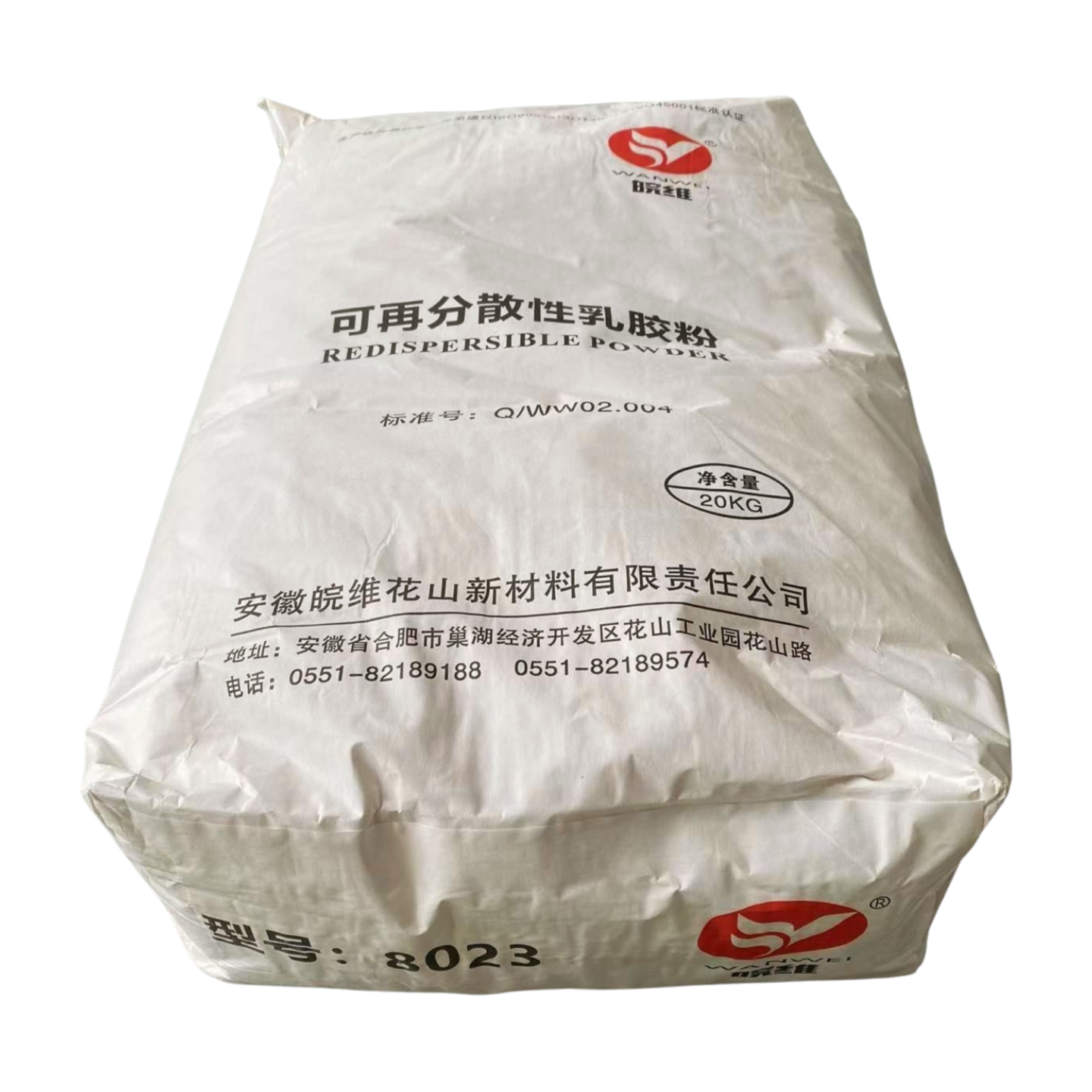
Understanding Shrinkage Cracking in Cement-Based Joint Fillers
What Causes Shrinkage Cracking in Concrete and Mortars?
When cement based materials shrink between 15 and 20 percent during the hydration process and while drying out, shrinkage cracks tend to form. Research published in 2023 by the National Ready Mixed Concrete Association points to something pretty alarming: nearly three quarters of early failure problems with joint fillers actually come down to this issue of uncontrolled drying shrinkage. Several factors contribute to this problem. First off, thin joints have higher surface area relative to their volume, so moisture just disappears too quickly. Then there's the water content factor. Mixes with more than 0.45 parts water to cement create internal stresses as they cure. And let's not forget about aggregate gradation either. When aggregates don't match properly, paste shrinkage jumps anywhere from 30 to 40 percent above what we see in well balanced mixes.
The Role of Moisture Loss and Temperature Fluctuations in Drying Shrinkage
Evaporation rates exceeding 0.5 kg/m²/hour during the first 72 hours—the critical curing window—quadruple crack risk. Temperature swings greater than 15°C within 24 hours exacerbate shrinkage stresses through differential thermal expansion: surface layers contract 0.01% per 10°C drop while deeper sections remain warmer, creating shear failure planes that initiate cracks.
Common Failures Due to Improper Mix Ratio and Curing
The American Concrete Institute (2022) reports that 62% of shrinkage-related joint failures involve:
| Error Type | Failure Rate Increase | Typical Damage |
|---|---|---|
| Over-watering | 4.8x | Map cracking |
| Under-curing | 3.2x | Edge spalling |
| Late tooling | 2.7x | Micro-crazing |
Premature loading before 7-day strength development accounts for 38% of early-age cracking incidents.
Identifying Early Signs of Shrinkage Cracking in Joint Systems
Monitor for these indicators within the first 28 days:
- Hairline cracks (0.1–0.3 mm wide) radiating from control joints
- Differential surface discoloration indicating uneven moisture distribution
- Joint gaps widening beyond design specifications (>125% initial width)
- Localized curling (>3 mm elevation change across 1m) at slab edges
Early detection allows for cost-effective epoxy injection repairs, avoiding complete joint replacement in 89% of cases (Concrete Repair Institute, 2021).
The Science Behind RDP in Mitigating Drying Shrinkage
How Polymer Dispersions Alter Matrix Structure
When mixed into cement based joint fillers, Redispersible Polymer Powder creates those flexible polymer films inside the hardened material structure. What these films actually do is connect up those tiny cracks that form when things shrink during curing, spreading out the stress through the whole polymer and cement mix instead of letting all the pressure build up at specific spots. Tests run in labs indicate that mortars modified with RDP can handle about 30 percent more tension compared to regular mixes. This means joints made with this stuff can take quite a bit of movement back and forth without starting to crack apart, which makes a big difference in how long these installations last before needing repairs.
RDP’s Impact on Pore Structure and Water Retention
Tests using mercury intrusion porosimetry have shown that these polymer films cut down on capillary pores by around 45%. What does this mean practically? Well, when there are fewer pores, moisture doesn't escape so quickly during the curing process. This means concrete can stay wetter for longer periods, stretching out what we call the critical curing window from about three days to nearly five full days in typical weather conditions. The extra time allows water to mix better with cement particles, creating a denser matrix of calcium silicate hydrate gels. According to research published in International Cement Review last year, this results in significantly reduced drying shrinkage ranging between 22% and 28%.
Reduced Cracking in RDP-Modified Mortars Under ASTM Testing
ASTM C157/C157M shrinkage testing reveals RDP-enhanced mortars achieve 60–80% lower crack widths after 90-day drying cycles. Field trials under cyclic temperature changes (−5°C to 40°C) demonstrate RDP’s ability to maintain joint integrity through more than 500 thermal cycles—a threefold improvement over shrinkage-reducing admixtures alone.
Optimizing RDP Dosage for Maximum Shrinkage Reduction
A dosage of 2.5–3.5% RDP by cement weight typically delivers optimal shrinkage control in most joint fillers, though exposure conditions require adjustments:
- Freeze-thaw zones: 3% RDP with air-entraining agents
- High-traffic joints: 4% RDP combined with cellulose ethers for improved workability retention
Exceeding 5% RDP can reduce compressive strength by 12–15%, necessitating a careful balance between flexibility and structural performance.
RDP vs. Shrinkage-Reducing Admixtures (SRAs): Effectiveness and Limitations
Effectiveness of SRAs in Shrinkage Control
Shrinkage-reducing admixtures (SRAs) mitigate drying shrinkage by lowering water surface tension in cementitious mixes, thereby reducing capillary stress. Recent testing shows SRAs can decrease unrestrained shrinkage strain by 25% and restrained shrinkage forces by 50% in high-performance concrete. However, their effectiveness is highly dependent on environmental conditions and mix compatibility.
Limitations of SRAs in Joint Filler Applications
While SRAs do offer some advantages, they tend to mess with important characteristics of joint fillers. When applied at standard rates around 3.7 liters per cubic meter, these additives might cut down the 28 day compressive strength by roughly 10 percent. What's more, setting times get pushed back by about 45 minutes if combined with water reducers. For joints that see constant action from vehicles passing over them or go through repeated temperature changes, SRAs actually make the material more brittle. This increased fragility means cracks start showing up earlier than expected right where the joints move and flex.
Why RDP Offers Superior Cohesion and Crack Resistance
Redispersible polymer powder (RDP) works differently from SRAs that depend on just one method. When added to mortar systems, RDP actually does three things at once: creates a flexible polymer network, improves how pores hold moisture inside the material, and strengthens the bond between different components in the mix. Because these effects work together across multiple levels, joint fillers made with RDP can handle about twice as much temperature change before developing cracks when compared to those treated with SRAs alone. Real world testing has found that when contractors add between 6 and 8 percent RDP by weight to their mortar mixtures, there are roughly 60 percent fewer cracks appearing in highway expansion joints after a full year of service under normal conditions.
Designing Low-Shrinkage Joint Fillers with RDP: Best Practices
Balancing Workability and Shrinkage in Mix Formulation
Recommended RDP Inclusion Rates for Different Exposure Conditions
| Exposure Condition | RDP Dosage Range | Key Performance Benefit |
|---|---|---|
| Indoor, stable climate | 2–3% | Basic shrinkage control |
| Outdoor, temperature swings | 3–5% | Thermal expansion compensation |
| High-moisture environments | 4–6% | Improved water resistance |
| Heavy traffic zones | 5–6% | Enhanced abrasion resistance |
Field data shows these ranges prevent 85% of shrinkage-related failures when combined with proper curing per ACI 548.3R-21 guidelines.
Successful Field Application of RDP-Enhanced Joint Fillers
Recent restorations of historic masonry structures demonstrate RDP's effectiveness, with modified fillers maintaining joint integrity through 10 or more freeze-thaw cycles. Contractors report 40% faster application times due to improved mortar cohesion, minimizing material sag in vertical joints.
Shift Toward High-Performance, Low-Shrinkage Repair Mortars
The construction industry now prioritizes RDP-modified mortars that combine less than 12% drying shrinkage with compressive strength of at least 25 MPa. These materials meet EN 1504-3 standards for structural repairs while eliminating 70% of post-installation crack repairs commonly seen in traditional cement-based fillers.
Maximizing Long-Term Performance: RDP, Curing, and Joint Design
The Role of Proper Curing in Enhancing RDP Performance
For redispersible polymer powder (RDP) to really cut down on shrinkage, it needs proper curing according to ASTM standards. Keeping moisture levels up for those critical first three days lets the RDP modified mortars develop that strong polymer network we're after. This actually brings down capillary pressure somewhere around 30 to 40 percent compared to what happens with regular uncured materials. Field experience shows something interesting too - contractors who implement fog curing techniques or go with breathable membranes instead of traditional methods are seeing roughly half as many microcracks forming in their joint fillers when working under those tough 90 degree Fahrenheit drying conditions that everyone hates.
Optimizing Control Joints with RDP-Modified Materials
Can RDP Replace Mechanical Crack Control Measures?
RDP does cut down on shrinkage cracks quite a bit, but works really well when combined with other methods. For places where people walk a lot and the floor experiences shear forces over 500 psi, steel reinforcement is still needed though. The good news is that RDP lets builders use about 30 percent less rebar in home foundations without failing the ACI 224R-01 requirements for crack sizes. When we look at different climates, special mixes matter a lot. Take dry areas for instance, adding around 4.2% RDP along with some cellulose fibers can actually get rid of those extra joints in warehouse floors even when forklifts are moving around moderately. This makes installation faster and cheaper in many cases.
FAQ Section
What is shrinkage cracking in cement-based materials?
Shrinkage cracking occurs due to the reduction in volume as cement-based materials dry and hydrate, typically within 15-20% shrinkage.
How can shrinkage cracking be minimized?
The use of Redispersible Polymer Powder (RDP) in joint fillers can help mitigate dry shrinkage by forming flexible polymer films that absorb stress.
What are SRAs, and how do they compare to RDP?
Shrinkage-reducing admixtures (SRAs) lower water surface tension and capillary stress, but they can make joint fillers more brittle compared to RDP, which offers better cohesion and crack resistance.
How does proper curing enhance RDP performance?
Proper curing allows RDP modified mortars to establish a strong polymer network, reducing capillary pressure and the formation of microcracks.
Table of Contents
- Understanding Shrinkage Cracking in Cement-Based Joint Fillers
- How Polymer Dispersions Alter Matrix Structure
- RDP’s Impact on Pore Structure and Water Retention
- Reduced Cracking in RDP-Modified Mortars Under ASTM Testing
- Optimizing RDP Dosage for Maximum Shrinkage Reduction
- RDP vs. Shrinkage-Reducing Admixtures (SRAs): Effectiveness and Limitations
- Designing Low-Shrinkage Joint Fillers with RDP: Best Practices
- Maximizing Long-Term Performance: RDP, Curing, and Joint Design