 EN

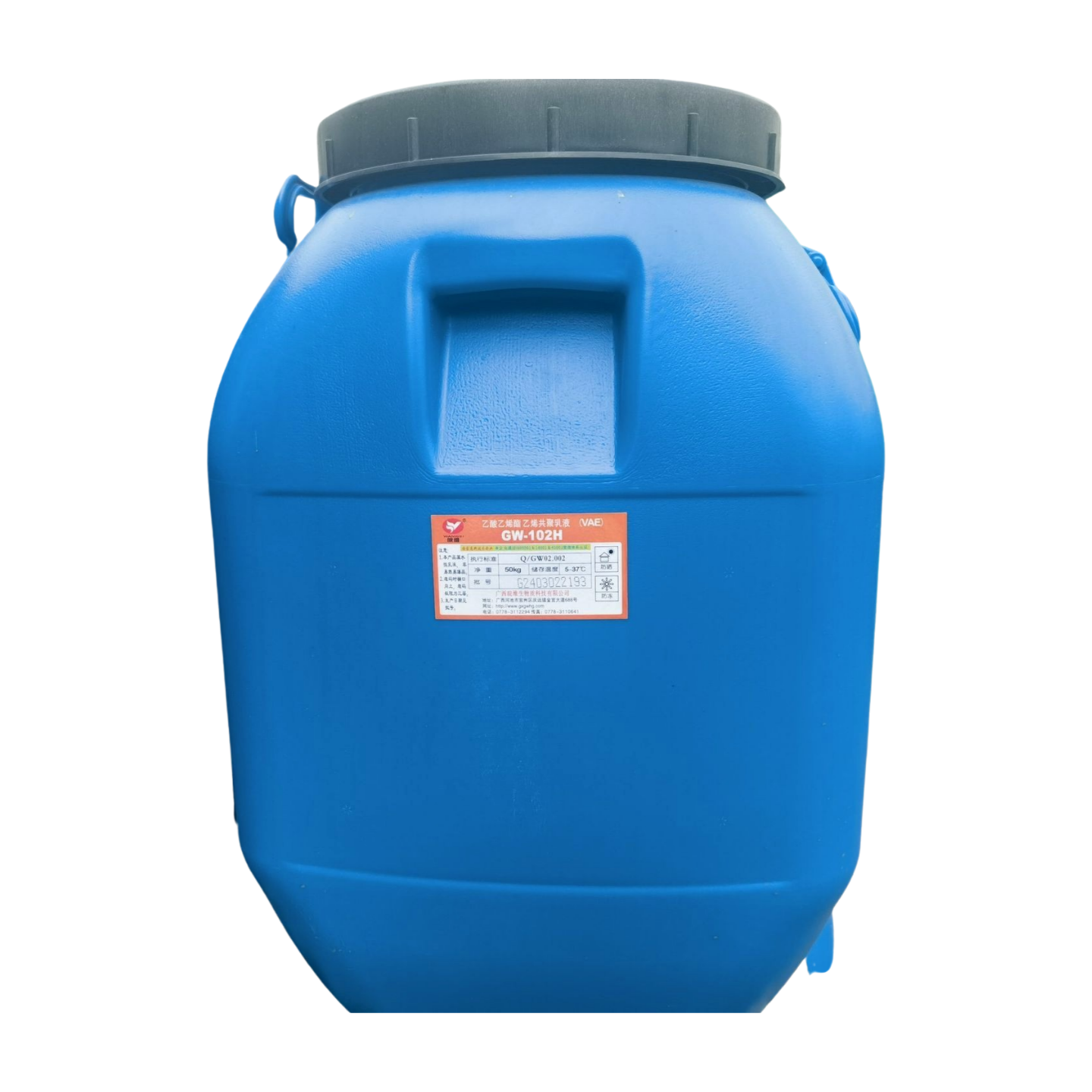
GW-102H’s Molecular Design: Engineering Superior Moisture Barrier Performance
A coating’s ability to thwart moisture hinges on its polymer architecture. GW‑102H leverages a carefully engineered siloxane backbone and precisely controlled crosslink density to create a robust, long-life interior barrier.
Hydrophobic siloxane backbone and tunable crosslink density
The siloxane backbone of GW‑102H is inherently hydrophobic, repelling water before diffusion can begin. Unlike polar chain segments in conventional acrylic or epoxy binders, the Si–O–Si linkages show minimal affinity for water molecules. This innate repellence is amplified by a tunable crosslink density—achieved by adjusting the ratio of multifunctional silane precursors during synthesis—to form an exceptionally dense, three-dimensional network. The fine-tuned crosslinks force any penetrating moisture to navigate a tortuous path, drastically slowing transmission. This molecular design yields a uniform film with virtually no micro-voids or hydrophilic domains that typically act as diffusion shortcuts. As a result, GW‑102H resists swelling and plasticisation under sustained high-humidity conditions, preserving its integrity far longer than coatings built on simple acrylic or epoxy architectures.
Reduced water vapor transmission rate (WVTR) vs. conventional acrylics and epoxies
Water vapor transmission rate (WVTR) is the critical metric for interior moisture protection. In standardized ASTM E96 testing (wet-cup method at 23 °C and 90 % RH), GW‑102H consistently records a WVTR below 1.5 g/(m²·day). By contrast, typical water-based acrylic coatings measure 6–9 g/(m²·day), and even high-build two-component epoxy systems commonly range from 3–5 g/(m²·day). This sharp reduction means significantly less moisture reaches the substrate—cutting the risk of blistering, efflorescence, and underfilm corrosion. While acrylics and epoxies rely largely on film thickness to slow vapor, GW‑102H blocks transport at the molecular scale. In practice, a single coat of GW‑102H can outperform multi-layer acrylic–epoxy systems, delivering lasting protection in laundry rooms, kitchens, and other condensation-prone interior zones.
Real-World Durability: GW-102H’s Resistance to Interior Humidity Cycling and Adhesion Loss
ASTM D7234 adhesion retention data: 92% after 500 hours of humidity cycling
Interior coatings in commercial kitchens, spa bathrooms, and basement storage rooms endure relentless humidity swings—conditions that promote swelling stress, blistering, and peeling. GW‑102H is engineered to resist this failure mechanism. Under ASTM D7234—the standardized test for pull-off adhesion after cyclic condensation exposure—the coating retains 92% of its original bond strength after 500 hours of repeated condensation and drying. This exceeds the performance of most conventional water-based interior paints, which typically drop below 80% adhesion under identical conditions (Facilities Maintenance Benchmarks, 2024). The key lies in GW‑102H’s crosslinked matrix: flexible enough to move with the substrate yet hydrophobic enough to resist water uptake. Even when relative humidity oscillates from near saturation to 30% RH, cohesive integrity remains intact—preventing interfacial moisture accumulation that leads to corrosion and mold growth. Passing ASTM D7234 with 92% adhesion retention confirms GW‑102H’s ability to extend maintenance intervals and protect interior assets where conventional systems often fail.
Proven Field Performance of GW-102H in High-Moisture Interior Environments
Hospital corridor case study: 24-month inspection results and failure mode analysis
A 120-meter hospital corridor in a tropical climate zone—subjected to 80–95% RH and intermittent condensation—was coated with GW-102H and monitored over 24 months. Final inspection per ASTM D7234 showed 90% retention of original pull-off adhesion, closely matching laboratory-aged specimens. Blistering (ASTM D714) was rated 10 (none) across all wall sections, and gloss retention exceeded 93%. Failure mode analysis of a control area painted with a conventional waterborne acrylic revealed blister initiation at the substrate interface due to trapped moisture, followed by peeling and visible mold growth. In contrast, GW-102H’s hydrophobic siloxane backbone and tailored crosslink density limited interfacial water accumulation, preventing blister nucleation and maintaining film integrity. The only observed degradation was slight chalking on unshielded corners exposed to direct cleaning solution spray—a mechanical wear effect, not moisture-related.
Head-to-head comparison with standard epoxy-amine systems under condensation-prone conditions
Controlled condensation testing (ASTM D4585: 60 °C water bath, 100 % RH) subjected GW-102H and a two-component epoxy-amine system to 1,000 hours of moisture stress. Key results:
| Property | GW-102H | Epoxy‑amine control |
|---|---|---|
| Water vapour transmission rate (g·mm/m²·day) | 0.8 | 2.4 |
| Blister rating (ASTM D714) | 10 (none) | 6F (few, fine) |
| Adhesion loss after exposure (%) | 6 | 35 |
| ΔE* colour change | 0.9 | 3.7 |
GW-102H’s dense siloxane network kept interfacial moisture below the threshold for blister formation. The epoxy-amine system, despite strong chemical resistance, absorbed more water through its polar curing agents—leading to plasticisation, softening, and significant adhesion loss. In real-world condensation-prone interiors, GW-102H maintained its protective film without discolouration or bond degradation, while the standard epoxy-amine required recoating within 18 months.
Future-Proofing Interiors: GW-102H’s Alignment with Evolving Indoor Environmental Standards
As building codes and green certification programs—including LEED v4.1, WELL v2, and BREEAM—intensify their focus on indoor moisture control and material longevity, GW-102H’s engineered polymer system directly supports these requirements. Its hydrophobic siloxane backbone and tunable crosslink density deliver proven 92% adhesion retention after 500 hours of ASTM D7234 humidity cycling—a performance benchmark aligned with durability and microbial resistance credits across these frameworks. By minimizing moisture ingress—the primary trigger for delamination, corrosion, and mold growth—GW-102H helps interiors satisfy low-emitting, resilient surface mandates. Real-world validation—such as the 24-month hospital corridor assessment demonstrating no blistering or adhesion loss under sustained condensation—confirms its reliability in demanding settings. As property valuation increasingly reflects sustainability certification, specifying GW-102H ensures interiors meet tomorrow’s aggressive benchmarks for health, efficiency, and durability.
FAQ
What makes GW‑102H superior to conventional coatings in moisture-prone environments?
GW‑102H utilizes a hydrophobic siloxane backbone and tunable crosslink density, which significantly slow down water vapor penetration and ensure superior durability under high-humidity conditions.
What is WVTR, and how does GW‑102H perform in comparison?
Water Vapor Transmission Rate (WVTR) measures moisture penetration. GW‑102H achieves a remarkably low WVTR below 1.5 g/(m²·day), outperforming conventional acrylics (6–9 g/(m²·day)) and epoxies (3–5 g/(m²·day)).
How does GW‑102H perform under humidity cycling?
In ASTM D7234 tests, GW‑102H demonstrated 92% adhesion retention after 500 hours of humidity cycling, outperforming traditional water-based paints that typically drop below 80% adhesion.
Is GW‑102H compatible with green building standards?
Yes, GW‑102H supports compliance with evolving indoor environmental standards like LEED v4.1, WELL v2, and BREEAM by providing long-lasting moisture control and microbial resistance.
Can GW‑102H be used in condensation-prone settings?
Yes, GW‑102H is ideal for areas like kitchens, laundry rooms, and hospitals, as proven through real-world applications showing outstanding durability and resistance to moisture-induced issues like blistering.
Table of Contents
- GW-102H’s Molecular Design: Engineering Superior Moisture Barrier Performance
- Real-World Durability: GW-102H’s Resistance to Interior Humidity Cycling and Adhesion Loss
- Proven Field Performance of GW-102H in High-Moisture Interior Environments
- Future-Proofing Interiors: GW-102H’s Alignment with Evolving Indoor Environmental Standards
- FAQ