 EN
EN

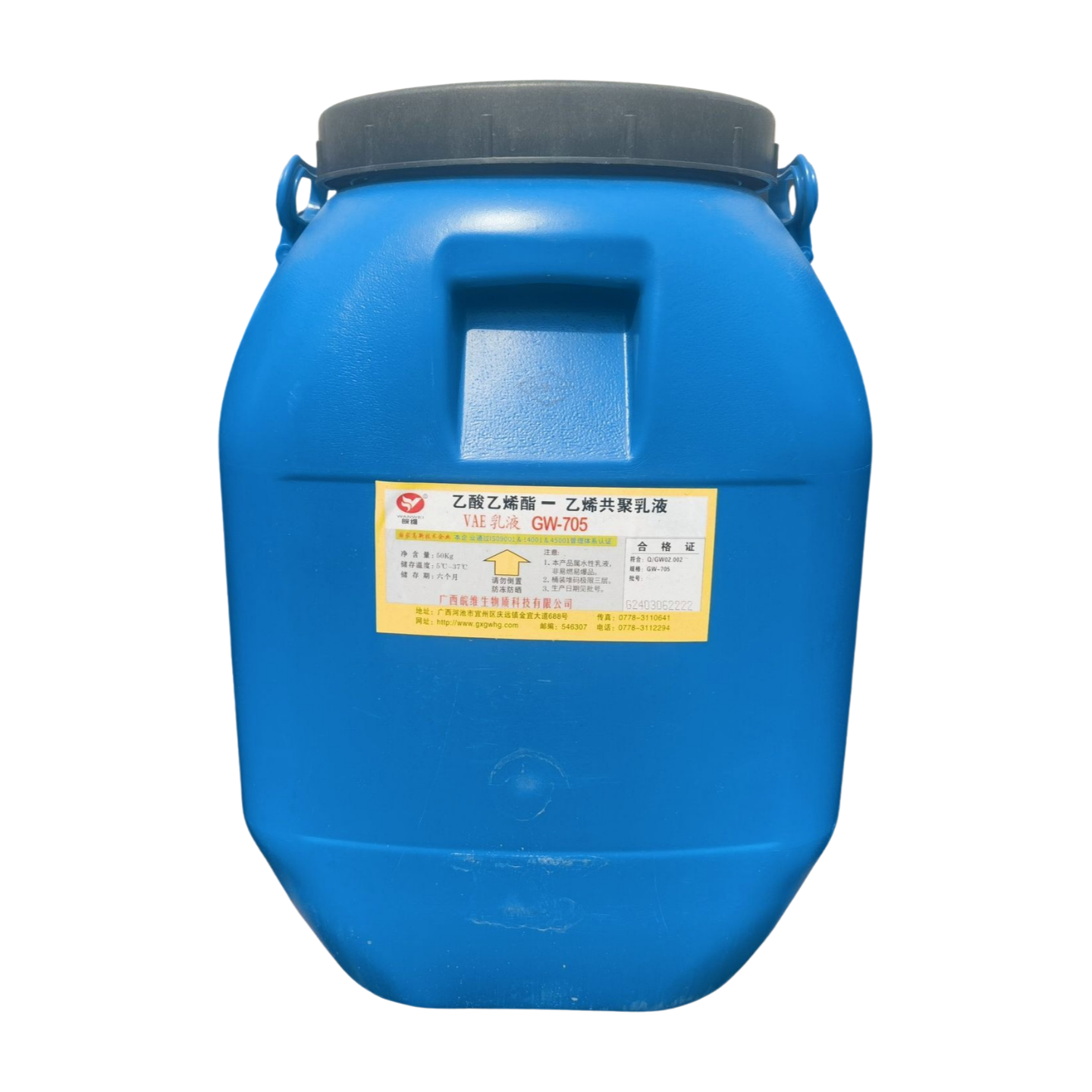
Vinyl Acetate Ethylene as the High-Performance Binder for Modern Paper Coating
Film formation, adhesion mechanics, and interfacial bonding of vinyl acetate ethylene emulsions on cellulose fibers
VAE emulsions create continuous, flexible films as they dry because the polymer chains physically entangle with cellulose fibers in the paper. At the same time, carboxyl groups in the VAE form hydrogen bonds with hydroxyl groups on the fiber surfaces. This combination of mechanical bonding and chemical interactions gives VAE coatings much better dry pick strength and fiber retention compared to traditional rigid binders. What makes VAE stand out from acrylics or styrene-butadiene systems is its adjustable glass transition temperature ranging from about -5 degrees Celsius to +15 degrees Celsius. This property lets manufacturers adjust how the polymer networks form during curing, resulting in denser structures that resist stresses better. Recent tests from 2024 show that VAE actually provides around 42 percent greater peel strength when applied to porous paper materials. For anyone working with challenging coating applications, these performance advantages make VAE a compelling choice over conventional options.
Why vinyl acetate ethylene outperforms styrene-butadiene and PVA in gloss retention and coating cohesion
When it comes to performance, VAE beats out both styrene-butadiene (SB) and polyvinyl alcohol (PVA) because it strikes a good balance between flexibility, moisture resistance, and staying stable at interfaces. What happens with SB latexes is they tend to get brittle as time goes on, creating those tiny cracks that actually scatter light and make things look duller. VAE stays elastic even when temperatures and humidity levels fluctuate. Now PVA has this problem where it dissolves easily in water, but there's another issue too. The hydrogen bonds in PVA keep breaking and reforming, which means it loses about 30% more cohesion compared to VAE after being exposed to humidity repeatedly. VAE contains ethylene, which creates areas that repel water without making the film discontinuous. And speaking of films, the particle size distribution in VAE ranges from 120 to 180 nanometers. This characteristic leads to much smoother surfaces when calendaring, cutting down ink dot gain by around 18% compared to SB systems. As a result, printed materials maintain better quality during high speed offset printing processes.
Optimizing Surface Quality: Gloss, Smoothness, and Print Fidelity with Vinyl Acetate Ethylene
Rheology control and calendering response enabled by tailored vinyl acetate ethylene particle architecture
Core-shell VAE particles offer excellent control over rheology and really boost calendering performance. What makes them work so well? The inner part is rich in ethylene, which allows the particles to deform and come together when exposed to heat and pressure. Meanwhile, the outer layer made from vinyl acetate stays firm enough to maintain shape during blade coating operations. This clever design helps reduce misting issues at lower shear rates, creates a more even film across surfaces, and gets rid of those pesky micro-voids and fiber lifting problems. Paper manufacturers have found that using VAE coatings can lead to around 20% improvement in Parker Print Surf smoothness compared to standard SB coatings, plus about 15 points better ISO gloss measurements. These improvements translate directly into better ink transfer consistency and less dot gain during printing processes.
Ink dot gain reduction and color fidelity through uniform binder distribution and pore sealing
VAE has this really low surface tension property that makes it stick well to pigment surfaces. What this does is wrap around those filler particles completely and seal up those tiny substrate pores under half a micron in size. When we talk about how this works as a barrier, what happens is the ink stays right on top of the coating instead of spreading out sideways. Tests show this cuts down dot gain between 12 to 18 percent when compared with traditional PVA systems. For print quality, this means clearer halftones, broader color ranges with about an 8% improvement, and color differences measured at Delta E values below 1.0 most of the time. That kind of precision matters a lot for high end packaging jobs and photo quality prints where color consistency counts. Plus, better ink holdout means no more mottling issues, so colors stay bright and repeatable across batches without damaging the surface finish.
Boosting Durability: Rub Resistance and Dry Pick Strength via Vinyl Acetate Ethylene Functionalization
Carboxyl- and silane-modified vinyl acetate ethylene emulsions: enabling covalent fiber–binder crosslinking
When we talk about chemical functionalization, what we're really seeing is how VAE goes beyond being just a good binder into becoming something much more durable. The carboxyl groups (-COOH) create those important ionic bonds with cellulose fibers. At the same time, these hydrolyzable silane parts (-SiOR) actually form pretty stable covalent connections right where the fibers meet. What this means in practice is that instead of relying on those flimsy physical entanglements between materials, we get this strong crosslinked network structure. This new arrangement stands up much better against things like mechanical wear and tear or when exposed to moisture that would normally cause swelling issues.
The combination of these two modifications increases dry pick strength by about 20% and improves rub resistance by around 50% compared to standard styrene butadiene binders. Silane works particularly well against water getting into the material, cutting down on wet fiber swelling by between 15 and 30% when exposed to humidity. This helps maintain the coating's integrity both during storage periods and through various conversion processes. What makes this work so effectively is how the particles are arranged. During drying, certain chemical groups tend to move toward the fibers first, which enhances cross linking without making the material too stiff. Modified VAE still stretches quite a bit before breaking, maintaining elongation at break above 200%. This level of flexibility means it can withstand folding, creasing, and even calendering without developing cracks.
| Modification | Bond Type | Durability Impact |
|---|---|---|
| Carboxyl | Ionic | Prevents fiber delamination |
| Silane | Covalent | Blocks moisture penetration |
Balancing Performance and Sustainability in Commercial Vinyl Acetate Ethylene Coating Systems
The paper industry is looking for products that balance strong performance with green credentials, and VAE emulsions check both boxes right out of the gate. These water-based systems have almost no VOCs in them, usually below 5 grams per liter which puts them comfortably inside EU EcoLabel standards and meets most international regulations too. Compared to solvent based options or those containing styrene butadiene, VAE doesn't include dangerous monomers. Plus it actually helps with fiber recycling efforts and works well when mixed with materials derived from plants or other renewable sources while still maintaining good rub resistance and print quality. The way these emulsions form films at room temperature cuts down on drying energy requirements by around 15 to 20 percent, meaning real reductions in carbon footprint during manufacturing processes. Companies serious about meeting their ESG targets without cutting corners find that VAE continues to be the go to binder choice when they need top notch performance combined with sustainability in paper coatings.
FAQ
What makes vinyl acetate ethylene (VAE) an effective binder for paper coating?
VAE is effective due to its ability to form continuous, flexible films and its strong adhesive interactions with cellulose fibers, providing better dry pick strength and fiber retention compared to traditional binders.
How does VAE outshine styrene-butadiene in terms of durability?
VAE maintains flexibility without becoming brittle, unlike styrene-butadiene, and has a particle architecture that supports smoother surface formation and better coating cohesion.
In what way does VAE contribute to sustainability in paper manufacturing?
VAE emulsions are water-based with low VOCs, aiding in fiber recycling, reducing energy costs, and supporting eco-friendly manufacturing practices.
Table of Contents
- Vinyl Acetate Ethylene as the High-Performance Binder for Modern Paper Coating
- Optimizing Surface Quality: Gloss, Smoothness, and Print Fidelity with Vinyl Acetate Ethylene
- Boosting Durability: Rub Resistance and Dry Pick Strength via Vinyl Acetate Ethylene Functionalization
- Balancing Performance and Sustainability in Commercial Vinyl Acetate Ethylene Coating Systems
- FAQ