 EN
EN

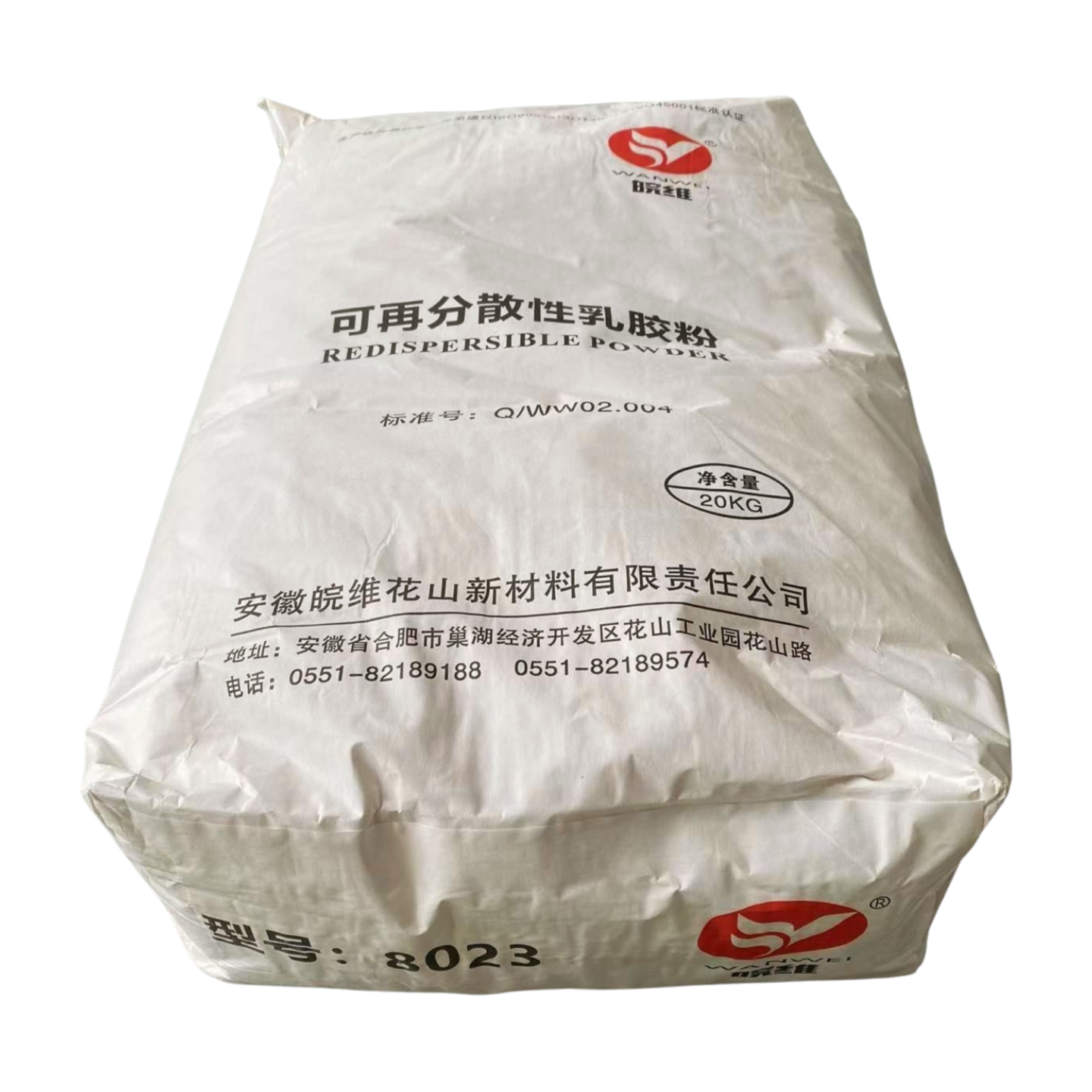
How RDP Enables Cement Reduction Without Compromising Performance
Film Formation and Interfacial Bonding: The Core Mechanism Behind Cohesion Recovery
When mixed with water, redispersible polymer powder (RDP) changes how cement works at a fundamental level. The tiny RDP particles spread out again when water is added and move toward the spaces where cement grains meet aggregate materials. As everything dries, these particles come together to form a kind of elastic film across cracks and crevices. This film actually sticks to the minerals around it, creating something like glue between different parts of the mix. Tests show this can make the whole mixture stick together better, maybe even 40% stronger than regular cement mixtures without any additives. What's interesting is that this film helps maintain strength even when there's less cement used overall, which has implications for cost savings and material efficiency in construction projects.
- Distributing mechanical stresses that initiate microcracks
- Improving substrate bonding via chemical affinity with siliceous materials
- Reducing capillary porosity by sealing microscopic voids
The resulting elasticity sustains compressive strength while increasing strain capacity—critical for high-movement applications like exterior facades, where RDP-modified mortars resist thermal cycling without delamination.
Case Evidence: 25% Cement Reduction Achieved with 3.2% RDP in Tile Adhesive (Wacker Elotex® BA 710)
A controlled study confirmed that partial cement replacement with RDP delivers cost savings without performance tradeoffs. Incorporating 3.2% RDP into a standard tile adhesive formulation enabled a 25% reduction in cement content while improving key performance metrics:
| Parameter | Control (0% RDP) | Modified (3.2% RDP) | Change |
|---|---|---|---|
| Cement Content | 40% | 30% | -25% |
| 28-day Bond Strength | 0.8 MPa | 1.2 MPa | +50% |
| Flexibility | Brittle failure | Elastic deformation | Improved |
| Water Resistance | Moderate degradation | High retention | Enhanced |
Stress redistribution by the polymer film allowed the leaner mix to exceed industry adhesion standards—and reduce material costs by 18%. Dynamic load testing showed no failure after 10,000 cycles, confirming RDP’s contribution to long-term durability.
Optimizing RDP Dosage for Maximum Cost-Performance Return
The 1.5—4.5% RDP Sweet Spot: Balancing Polymer-Cement Ratio Across Mortar Properties
Within the 1.5—4.5% dosage range, RDP optimally offsets cement reduction by enhancing three critical mortar properties:
- Workability: Polymer particles lubricate the mix, reducing water demand by 8—12% at 2.5% dosage.
- Adhesion: RDP forms interlocking films at interfaces, increasing bond strength by 35—50% over unmodified mortar.
- Flexural Strength: At 3% dosage, studies show 15—20% strength gains despite 15% cement reduction.
This dosage window maintains the polymer-cement ratio required for cohesive failure mechanics. A 2023 cement additives study found that mortars with 2.5% RDP achieved 28-day compressive strength parity with standard mixes containing 30% more cement.
Diminishing Returns Beyond 4% RDP: When Additional RDP Fails to Justify Cost in Lean Mixes
Exceeding 4% RDP introduces disproportionate cost penalties without proportional performance gains—particularly in lean formulations with sub-300 kg/m³ cement content:
- Compressive Strength: Each additional 1% RDP yields ±3% strength increase above the 4% threshold.
- Workability Limit: Higher dosages accelerate setting time by 15—25 minutes, undermining application efficiency.
- Cost Analysis: Each 0.5% RDP increase beyond 4% raises material costs by 5—7%, while flexural strength improvements plateau below 2% [Journal of Sustainable Construction, 2023]. This creates unfavorable economics—where RDP overloading costs more than retaining additional cement. Formulations targeting >25% cement reduction should therefore prioritize hybrid modifiers rather than high-dose RDP alone.
RDP-Driven Durability Gains That Support Lower-Cement Design Logic
From Strength-First to Durability-First: How RDP Shifts Formulation Priorities
Old school cement designs focus mostly on getting strong compression by throwing in lots of cement material, which tends to hurt how well it holds up over time. With RDP technology, we're seeing a real change in approach where durability comes first instead of just brute strength. When this stuff cures, it creates a polymer layer that actually connects all those little cement bits together, making the whole mix much more flexible. This flexibility helps fight off shrinking and tiny cracks forming in the material. Tests show water can't get through as easily either about 40% less than regular mixes. That means better protection against winter freeze-thaw damage and chemicals eating away at the structure. For engineers working on these formulas, focusing on things like preventing cracks and controlling moisture makes sense because it extends how long the material lasts. And best part? They can cut back on cement usage while still keeping everything structurally sound.
Elastic Modulus Reduction: RDP’s Role in Countering Cement-Induced Brittleness and Microcracking
When there's too much cement in the mix, it raises the elastic modulus which leads to brittleness. This brittleness causes tiny cracks to spread when stress is applied. RDP addresses this issue by adding flexible polymer chains into the mix. At around 3 to 4% dosage levels, these polymers can cut down stiffness by roughly 25 to maybe even 35%. What happens next? These polymer chains actually soak up energy generated during thermal expansion and movement of the base material, stopping cracks from forming altogether. Take exterior insulation systems as a case study. Mortars modified with RDP handle about half again more structural deflection compared to those heavy on cement. Another benefit comes from the lower modulus: better impact resistance means fewer problems with fatigue failures in places where people walk a lot. So while traditional thinking might favor maximum compressive strength, modern approaches show that sometimes being flexible really does make all the difference in durability over time.
FAQ
What is Redispersible Polymer Powder (RDP)?
Redispersible Polymer Powder (RDP) is a type of polymer used in cementitious mixtures to enhance flexibility, bond strength, and durability, allowing for lower cement usage without compromising performance.
How does RDP contribute to cement reduction?
RDP forms a film in the mixture that helps maintain cohesiveness and strength, allowing for up to 25% reduction in cement without losing essential structural properties.
What is the optimal RDP dosage for cement reduction?
The optimal dosage of RDP for balancing cost and performance typically ranges between 1.5% to 4.5%, enhancing properties like workability and adhesion while reducing cement usage.
Are there any drawbacks to using too much RDP?
Exceeding 4% RDP can incur higher costs without significant performance benefits, potentially leading to inefficiencies in lean mixtures.
How does RDP improve the durability of cementitious mixtures?
RDP enhances durability by reducing brittleness and microcracking, forming energy-absorbing polymer chains, and improving moisture resistance, which prolong overall material life.