 EN
EN

Understanding VAE: Chemistry and Key Properties in Wood Adhesives
What Is VAE and How Does It Work in Adhesive Formulations?
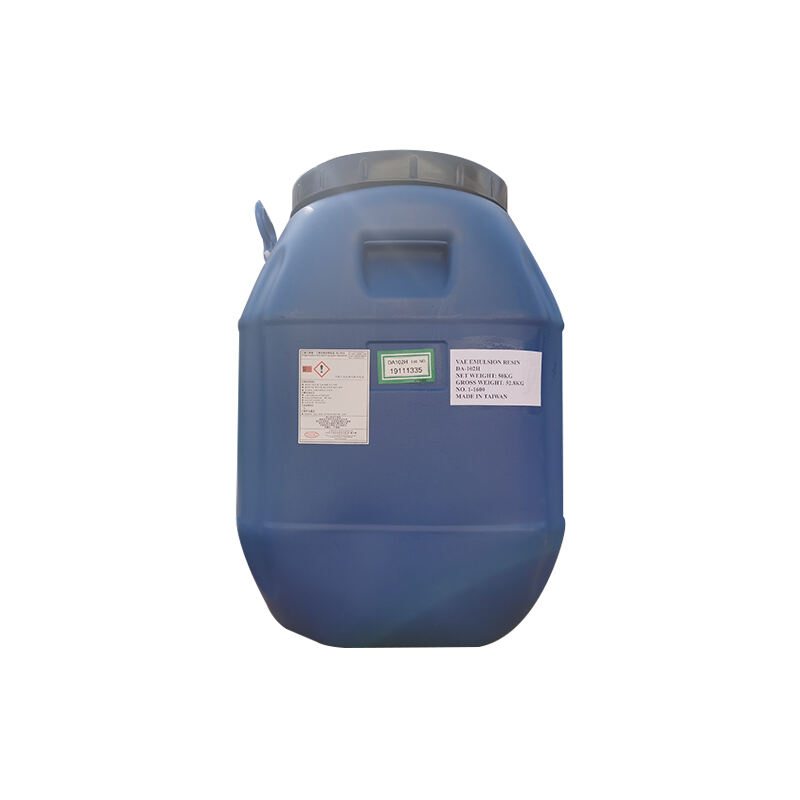
VAE stands for Vinyl Acetate Ethylene, basically a type of water based copolymer made when vinyl acetate mixes with ethylene monomers during production. What makes this stuff special is how well it sticks to things like wood surfaces that have pores in them, yet still stays flexible even after it hardens completely. Traditional PVA glues just don't cut it when there's vibration or movement involved because they lack that extra bit of give. That's where VAE shines since the addition of ethylene actually improves its ability to absorb shocks, which explains why many furniture makers prefer it for joining parts that get regular wear and tear over time. When applied, the glue dries as water evaporates away, creating a tough network of polymers that works its way into the tiny spaces between wood fibers, resulting in bonds that hold up much longer than most alternatives on the market today.
Chemical Structure of Vinyl Acetate-Ethylene (VAE) Copolymers
VAE’s molecular structure consists of a vinyl acetate backbone–responsible for adhesion–interspersed with ethylene units that impart flexibility. With vinyl acetate typically comprising 60–95% of the copolymer, performance is finely tunable:
- Adhesion: Higher vinyl acetate content improves bonding to cellulose-rich wood surfaces
- Plasticization: Ethylene segments act as internal plasticizers, reducing brittleness
This dual-phase architecture allows VAE adhesives to maintain bond integrity during wood expansion and contraction caused by humidity fluctuations.
Key Properties of VAE That Enhance Wood Bonding Performance
Modern furniture manufacturing relies on three core VAE characteristics:
-
Thermoplastic Flexibility
- Withstands wood moisture content changes of up to 12–18% without cracking
- Maintains performance across temperatures from -40°C to 80°C
-
Rapid Green Strength
- Achieves 70% handling strength within 20–30 minutes at 23°C
-
Alkaline Resistance
- Stable pH range (4.5–6.5) prevents degradation from natural wood acids
These attributes make VAE particularly effective in high-demand applications such as chair leg joints and veneer laminations.
Advantages of VAE-Based Adhesives in Furniture Manufacturing
Superior Flexibility and Impact Resistance in VAE Wood Glues
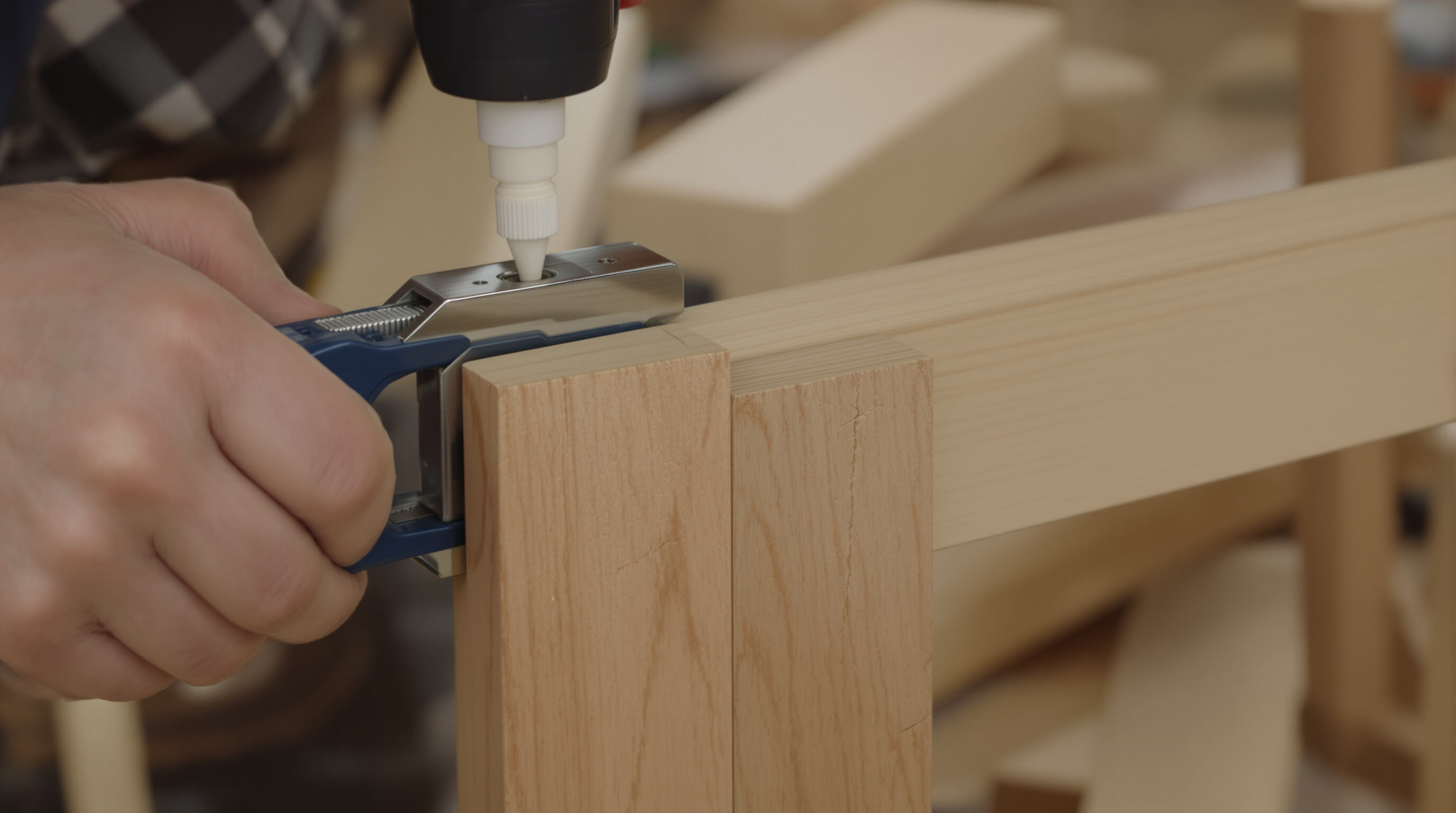
The unique copolymer makeup of VAE gives it better stretch properties, which means adhesive bonds can handle about 18% more movement stress than regular PVA glues according to a study from Adhesive Science Review last year. When applied to parts that bend or carry weight such as armrests on chairs or extending sections of tables, this extra give helps prevent those joints from breaking apart over time. Testing with laminated beams revealed failure rates dropped by nearly 40% when subjected to sudden impacts versus using stiff adhesives. Furniture makers have started noticing these benefits firsthand, especially in products designed for long term use where durability matters most.
Moisture and Heat Resistance: Why VAE Outperforms Traditional PVA
When humidity gets up around 70%, PVA glues tend to really struggle losing somewhere between 60 to 80% of their bonding power. But look at VAE adhesive it holds on for dear life maintaining about 92% of its original stickiness according to those WoodTech tests from last year using ASTM D1183 standards. Why does this happen? Well, ethylene in VAE just doesn't like water much at all which makes these adhesives work great where there's always some dampness hanging around like inside kitchen cabinets or on garden furniture that gets rained on occasionally. And speaking of tough conditions, VAE can handle temperatures going up to 85 degrees Celsius before breaking down that's actually 15 degrees hotter than what regular PVA can manage so woodworkers find they get much better results when pressing veneers together without worrying about layers peeling apart later.
Eco-Friendly Profile and Low VOC Emissions of VAE Adhesives
VAE adhesives release around 67 percent less volatile organic compounds compared to traditional urea-formaldehyde options. Plus, they meet those tough CARB ATCM Phase II requirements right out of the box without needing any special scavenger additives according to GreenBuild research from last year. What makes them stand out is their water based formula which means workers can handle them safely day to day. Toxicity levels are actually about 40% under what OSHA considers acceptable exposure thresholds. For manufacturers aiming for green building certifications like LEED, this matters a lot. Companies no longer have to invest in expensive solvent recovery equipment either. As a result, we've seen steady uptake across the industry too. Adoption rates for VAE products have been growing at roughly 14% per year in furniture manufacturing facilities that prioritize environmental credentials.
Application Techniques for VAE Adhesives in Industrial Furniture Production
Optimal Clamping Time and Open Assembly Window for VAE Formulations
VAE adhesives offer a clamping time of 6–20 minutes, providing up to three times the open assembly window of traditional PVA adhesives (Wood Adhesives Council 2023). This extended workability supports precise alignment in complex assemblies such as chair frames and cabinet components.
| Adhesive Type | Average Clamping Time | Recommended Substrates |
|---|---|---|
| VAE | 15 mins ±5 | Hardwoods, MDF, Particleboard |
| PVA | 5 mins ±2 | Softwoods, Plywood |
| PU | 25 mins ±10 | Laminates, Metal-Wood Composites |
Spray, Roller, and Curtain Coating: Matching VAE to Production Lines
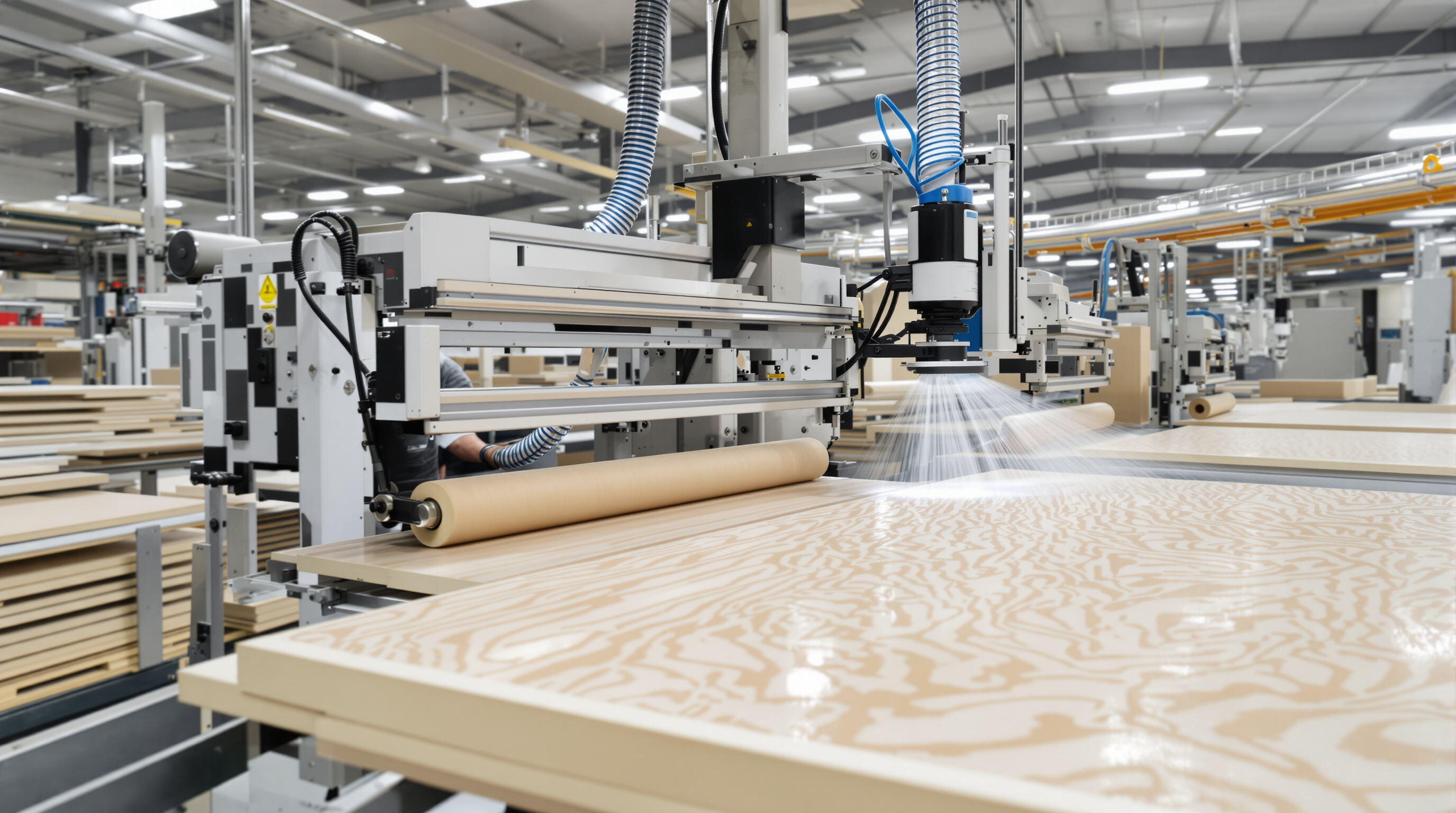
VAE integrates seamlessly with industrial coating systems such as automated spray guns (500–800 g/min), roller coaters (1.2–1.8 mm film thickness), and curtain coaters. Curtain coating is especially effective for flat panels, delivering 98.5% surface uniformity in melamine-over-VAE applications, making it ideal for high-speed furniture lines.
Surface Preparation and Substrate Compatibility with VAE
For VAE bonding to work well, surface roughness needs to be around Ra 4.0 micrometers or less, and the wood should have under 12% moisture content when dealing with hardwoods. Research published last year showed pretty significant results too. When they tested sanded oak with a surface roughness of about 3.2 micrometers against planed surfaces at roughly 6.5 micrometers, the shear strength was actually 36% higher on those finer surfaces. Another advantage of VAE is how it handles different pH levels between 4.5 and 8.2. This wide range means it doesn't get messed up by the tannins naturally present in woods like teak or mahogany. So manufacturers can count on reliable performance even when working with various types of wood substrates without worrying about chemical reactions interfering with the bond quality.
Real-World Performance: Case Studies of VAE in Furniture Manufacturing
Modular Cabinet Manufacturer Reduces Failures by 40% Using VAE Glue
One modular furniture company saw around 40% fewer bonding issues when they made the switch to VAE based glues back in 2023. What makes these adhesives so good? Well, their elastic properties actually handle those seasonal changes in wood expansion pretty well inside controlled climate settings. This helps prevent those annoying cracks from forming on laminated surfaces over time. And let's not forget about the working time advantage either. With VAE giving workers roughly 45 to 60 minutes before setting compared to just 25 minutes with regular PVA glue, assembly crews can work much faster. Some reports suggest this translates into anywhere between 18% to maybe even 24% quicker assembly times while still getting better accuracy on those joints.
Solid Wood Joint Strength Test: VAE vs. EPI and PU Adhesives
Tests on mortise and tenon joints revealed something interesting about VAE adhesives. They can handle shear stress at around 12.3 MPa which is actually about 22 percent better than what we see with EPI products. And get this they perform similarly to those polyurethane glues too, but there's no need to worry about dangerous isocyanates when working with them. The bond line itself measures only 0.08 millimeters thick compared to 0.12 mm for standard PU options. This thinness makes the joints almost disappear in high quality furniture pieces. Even after going through 500 humidity cycles according to ASTM D1183 standards, these bonds maintain roughly 98% of their original strength. Pretty impressive stuff for anyone concerned about both aesthetics and durability in woodworking projects.
Scaling Up with VAE: A European Furniture Brand’s Transition Success
An old fashioned European furniture maker managed to switch completely to VAE technology throughout their seven factory locations over just 14 months, which slashed VOC emissions by around two thirds when compared to those nasty urea formaldehyde adhesives they used before. Looking at production numbers after making the change, they saw an impressive 91 percent success rate on first attempts at assembly work. The new heat activated VAE formulas cure in about half an hour at 85 degrees Celsius, so workers no longer have to wait those frustrating two hours that conventional glue applications demanded previously. This time savings alone has made a world of difference in daily operations.
Future Trends and Challenges in VAE Wood Adhesive Development
Adhesion to Low-Porosity Woods: Where VAE May Require Additives
Recent studies reveal VAE adhesives achieve 15% lower shear strength on dense tropical hardwoods like Ipe due to limited penetration. To address this, manufacturers are exploring 2–5% nanocellulose additives that enhance mechanical interlocking on tight-grained surfaces without compromising low-VOC compliance.
Cost Considerations Compared to Conventional PVA Adhesives
Although VAE formulations cost 20–30% more than standard PVA, their 50% longer open assembly time reduces misalignment waste in automated production. A 2025 market analysis projects 8% annual growth in VAE adoption as furniture makers prioritize performance and efficiency over initial material costs.
Bio-Based Vinyl Acetate and Renewable Ethylene Sources in VAE
Innovative producers now source 40% of vinyl acetate from plant-based acetic acid, reducing reliance on fossil fuels. Early trials using ethylene derived from sugarcane ethanol suggest a potential 33% reduction in carbon footprint within five years, advancing sustainability in adhesive manufacturing.
Smart Curing and Hybrid VAE Systems for Next-Gen Furniture Assembly
Radio-frequency curing combined with VAE-PU hybrid adhesives enables 90-second cycle times for chair joints–65% faster than thermal methods. These systems preserve VAE’s flexibility while achieving PU-level strength in load-bearing applications, paving the way for high-speed, high-performance assembly.
Regulatory Outlook and Market Growth Projections for VAE Adhesives
With formaldehyde regulations expanding to 18 additional countries by 2026, VAE’s ultra-low emissions (<5 ppm) position it as the leading non-toxic alternative. The technology is projected to capture 28% of the global wood adhesive market by 2030, driven by demand for REACH-compliant solutions in EU furniture exports.
FAQ Section
What is VAE used for in furniture manufacturing?
VAE, or Vinyl Acetate Ethylene, is used in furniture manufacturing for its superior adhesion, flexibility, impact resistance, moisture resistance, and eco-friendly properties, making it ideal for various wood bonding applications.
How does VAE compare to traditional PVA glues?
VAE adhesives outperform traditional PVA glues with better flexibility, impact resistance, moisture, and heat tolerance, and lower VOC emissions, offering longer-lasting bonds and safer application.
Are VAE adhesives environmentally friendly?
Yes, VAE adhesives are environmentally friendly as they release significantly fewer volatile organic compounds compared to traditional adhesives and are compliant with stringent environmental regulations.
Can VAE adhesives be used on all types of wood substrates?
VAE adhesives are versatile and compatible with various types of wood substrates, although they may require surface preparation or additives for dense tropical hardwoods.
What are the future trends in VAE adhesive development?
Future trends include increasing use of bio-based materials, enhancing adhesion to low-porosity woods, and developing smart curing systems for faster and more efficient assembly.
Table of Contents
- Understanding VAE: Chemistry and Key Properties in Wood Adhesives
- Advantages of VAE-Based Adhesives in Furniture Manufacturing
- Application Techniques for VAE Adhesives in Industrial Furniture Production
- Real-World Performance: Case Studies of VAE in Furniture Manufacturing
-
Future Trends and Challenges in VAE Wood Adhesive Development
- Adhesion to Low-Porosity Woods: Where VAE May Require Additives
- Cost Considerations Compared to Conventional PVA Adhesives
- Bio-Based Vinyl Acetate and Renewable Ethylene Sources in VAE
- Smart Curing and Hybrid VAE Systems for Next-Gen Furniture Assembly
- Regulatory Outlook and Market Growth Projections for VAE Adhesives
- FAQ Section