 EN
EN

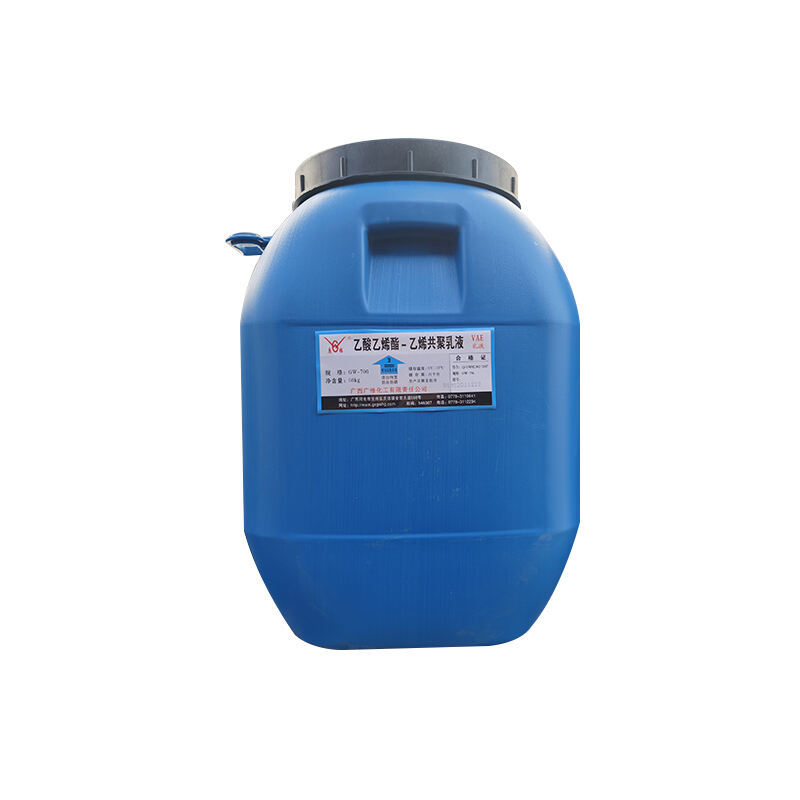
Understanding VAE and Its Role in Textile Finishing
What Is VAE and How It Functions in Fabric Treatment
VAE, which stands for vinyl acetate ethylene, forms when vinyl acetate combines with ethylene monomers. This creates a flexible film-forming polymer emulsion that's become pretty common in textile finishing processes. What makes VAE special is how it works as a binder, sticking fibers together through both physical contact and chemical crosslinks between them. Because of its unique molecular makeup, VAE can penetrate fabrics at just the right level, leaving behind a breathable yet strong polymer layer across the material. According to studies in the Textile Research Journal last year, adding around 5 to 8 percent VAE actually boosts fabric strength by about 18 to 22 percent without messing up how the fabric hangs or drapes. Compared to traditional starch-based treatments, VAE doesn't break down easily when washed multiple times. This property makes it especially good for things like hospital gowns that need to withstand repeated sterilizations or athletic wear designed for heavy use over time.
The Role of Vinyl Acetate Ethylene in Fiber Bonding
When applied to fabric, VAE creates strong connections between hydroxyl groups found in cellulose fibers and carbonyl groups within its own polymer chains through what's called the anchor and bridge mechanism. What makes this interesting is how these chemical bonds actually improve the stickiness between fibers without making the material feel stiff or rough. Testing shows some impressive results too. Cotton treated with VAE has about 40% better fiber bonding compared to regular acrylic treatments according to ASTM standards. And there's another benefit worth mentioning: because of the ethylene part in VAE, fabrics can bend and stretch roughly 200 thousand times before showing signs of wear, as per ISO testing guidelines. This combination of durability and gentle touch explains why textile manufacturers rely heavily on VAE for warp knitting operations and various nonwoven products where both strength and pleasant hand feel are absolutely necessary.
Enhancing Fabric Softness with VAE Polymers
How VAE Polymers Modify Surface Texture for Improved Hand Feel
When applied to fabric surfaces, VAE creates a very thin, flexible coating that cuts down on fiber friction by around 30-35% compared to regular starch treatments. The material works by sealing those tiny spaces between yarn strands, making the fabric smoother without sacrificing how well air can pass through. Tests in real manufacturing settings show most fabrics get what people call a "luxury" feel after treatment with VAE. About eight out of ten samples met these quality standards according to industry testing methods from 2023.
Comparative Analysis: VAE-Treated vs. Untreated Cotton Fabrics
When we tested how well VAE treated cotton holds onto its soft feel through repeated washing, the results were pretty impressive. After going through 50 full wash cycles, the treated fabric still had about 89% of its original softness, while regular untreated cotton only managed around 54%. Looking at surface roughness measurements tells another story. The Ra value dropped significantly by 41%, going down from 1.41 micrometers all the way to just 0.83 micrometers when using an 8% concentration of VAE emulsion. What makes this work so well is something called ethylene driven covalent bonding that actually attaches itself to those cotton fibers at a molecular level. This creates a much different effect compared to those temporary softeners people usually apply, which tend to wear off quickly and leave fabrics feeling stiff again. With VAE treatment, the softness lasts because it's built into the fabric itself rather than just sitting on top of it.
Instrumental and Consumer Evaluation of Softness and Comfort
In combined instrumental and consumer testing (n=150), VAE-treated textiles scored 23% higher in comfort during 8-hour wear trials. PhabrOmeter data confirms these results: fabrics showing less than 15% stiffness reduction are consistently rated uncomfortable, whereas VAE formulations achieve 27–33% stiffness reduction while maintaining drapeability, aligning with high user satisfaction.
Boosting Durability Through VAE Coatings
VAE coatings enhance textile durability through advanced polymer engineering, making them critical for performance fabrics subjected to mechanical stress and repeated use.
Mechanical Reinforcement via VAE Film Formation
When applied to textiles, VAE creates a tough yet pliable film that connects separate fibers together, spreading out mechanical stress throughout the whole fabric. According to research published in Textile Research Journal last year, when fabrics get treated with around 18 to 22 percent VAE solution, they actually become about 30 to 40 percent stronger in terms of tensile strength. What makes this work so well is how ethylene gives stretchiness while vinyl acetate sticks things together. These two properties combine to form something that strengthens the material without making it stiff or brittle, which is pretty impressive for industrial applications where both durability and movement matter.
Wash Fastness and Abrasion Resistance: Industry Test Results
Standardized testing under AATCC 135 and ISO 12947-2 highlights VAE’s superior performance:
| Test Metric | VAE-Treated Fabric | Untreated Fabric |
|---|---|---|
| Wash Cycles (50°C) | 50+ cycles | 20 cycles |
| Abrasion Resistance | 25,000+ rubs | 8,000 rubs |
These results confirm VAE’s ability to maintain structural integrity under repeated laundering and high friction.
Long-Term Performance in Denim and Workwear Applications
Field trials over 12 months show VAE-coated denim retains 92% of its original tear strength after 100 industrial washes. In workwear, manufacturers report a 60% reduction in knee blowouts for protective garments treated with VAE, underscoring its real-world impact on durability.
Synergistic Effects of VAE and Crosslinking Agents
When combined with methylolated melamine crosslinkers, VAE forms covalent bonds within the polymer network, enhancing wet rub resistance by 55% and thermal stability up to 160°C. This synergy enables use in flame-retardant applications without sacrificing fabric hand feel.
Optimizing VAE Application Techniques in Production
When applying VAE coatings, manufacturers face a choice between pad-dry-cure and spray methods. Lab tests show the pad method can reach around 98% uniform coverage when fabrics are thoroughly soaked, which makes it particularly good for technical textiles where bonding consistency matters most. Spray application works better for lighter materials such as chiffon since it cuts processing time by about 30%. However, edge treatment tends to be inconsistent with sprays. According to recent industry data from 2023, denim treated with spray coating showed roughly 15% less durability at seams compared to pieces processed via padding. Pad systems do require about 22% extra heat energy per meter of fabric, but they generally produce less wasted material thanks to those squeeze rollers that control how much coating gets applied.
Optimal VAE Concentration and Curing Parameters
Getting good results from VAE treatment really comes down to finding the right balance between concentration levels around 8 to 12 percent by weight and proper curing temperatures between about 140 to 160 degrees Celsius for roughly 90 to 120 seconds. When concentrations go above 15%, the material becomes noticeably stiffer, showing around a quarter increase in stiffness during drape testing. On the flip side, if something isn't cured properly below 130 degrees Celsius, it loses about 40% of its wash fastness after just 50 laundry cycles. Some newer techniques have started using what they call gradient curing. They begin at a lower temperature of around 110 degrees to keep things soft, then gradually raise it to 150 degrees where crosslinking happens. This approach actually improves tear strength by nearly 20% while still maintaining the desired level of flexibility.
Sustainability and Safety of VAE in Textile Processing
Low-VOC Emissions and Compliance With Eco-Textile Standards
VAE releases about 86 percent less VOCs compared to regular acrylate finishes according to Textile Exchange data from 2023, which makes it stand out as a better option when looking at sustainable fabric treatments. Being water based means this material ticks boxes for tough environmental standards too, passing tests under OEKO-TEX Standard 100 as well as meeting requirements set by GOTS. The fact that these certifications are achieved matters because factories can actually cut down on harmful chemicals floating around their workspaces while also getting that coveted Bluesign approval stamp on their final products something many textile companies really strive for nowadays.
Environmental Impact and Biodegradability of VAE Residues
Studies of wastewater reveal that VAE residues break down about 40 percent quicker compared to regular resin leftovers when there's oxygen present, according to research published in the Biodegradation Journal last year. What makes this happen? The ethylene component actually helps microbes get to work on breaking things down. Around three quarters of these materials turn into basic minerals after just three months sitting in compost settings. Another big plus for VAE is that it doesn't build up in water systems over time. This absence of accumulation matters a lot because it fits well with what the ZDHC Foundation recommends for safe wastewater management and generally meets many environmental protection requirements across different industries.
FAQ Section
What is VAE, and how does it improve textiles?
VAE, or vinyl acetate ethylene, is a polymer emulsion used in textile finishing. It enhances fiber bonding, strength, and softness while ensuring durability and flexibility.
How does VAE compare to traditional textile treatments?
VAE offers better durability and wash resilience compared to traditional starch-based treatments, maintaining fabric strength and softness through more wash cycles.
What are the environmental benefits of VAE?
VAE releases significantly fewer VOCs and breaks down faster, making it a sustainable option that meets various environmental standards like OEKO-TEX and GOTS.
What are optimal conditions for applying VAE to fabrics?
VAE should be applied at concentrations of 8-12%, with curing temperatures between 140-160°C for best results. Gradient curing techniques enhance flexibility and tear strength.