 EN
EN

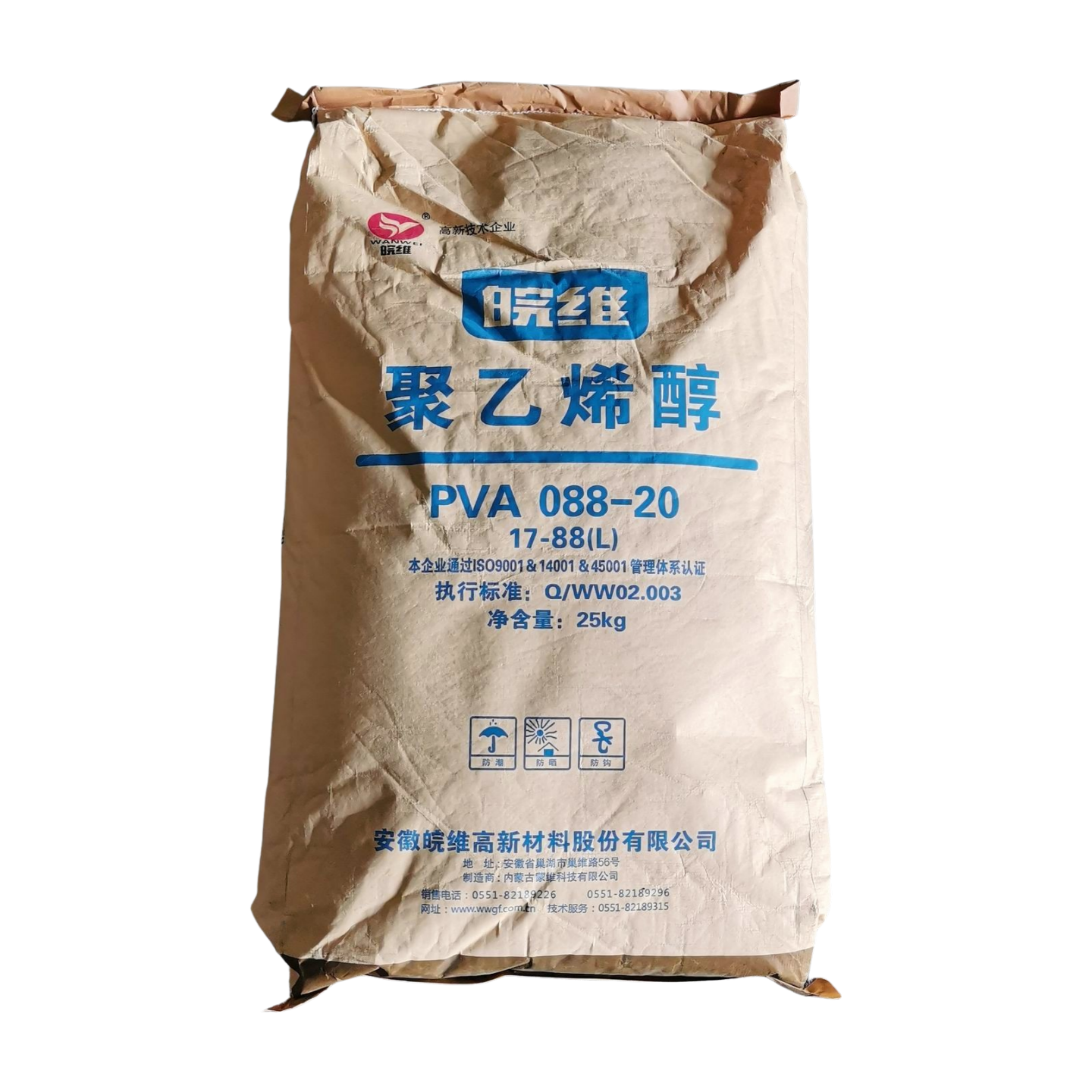
Why Flexibility Matters: Solving Brittle Failure in Modern Tile Mortars
Modern tile installations face relentless stress from thermal cycling, substrate movement, and dynamic loads. Rigid mortars crack under these forces—causing 15% of tile failures within two years, per industry analyses. This brittle failure manifests as cracked tiles, hollow spots, and debonding, costing contractors an average of $740 per repair (2023 Masonry Maintenance Report). Flexibility acts as the critical countermeasure:
- Thermal Stress Absorption: Mortars expand and contract at different rates than substrates and tiles. Flexible formulations accommodate this mismatch, preventing crack propagation.
- Substrate Movement Compensation: Concrete slabs deflect, wood framing shifts seasonally, and new constructions settle. Mortar elasticity bridges these micro-movements.
- Impact Resistance: Foot traffic and dropped objects generate localized stress. Flexible mortars distribute these forces instead of fracturing.
Without engineered flexibility, mortars behave like glass—strong until sudden failure. The industry’s shift toward large-format tiles (>15" x 15") intensifies this vulnerability, as larger surfaces magnify stress concentrations. EN 12004 standards now explicitly require flexibility testing (S1 classifications) for mortars in high-movement areas.
How PVA Enhances Flexibility: Film Formation, Crack Bridging, and Stress Redistribution
Polymer network development during hydration and drying
PVA additives transform mortar flexibility by forming an interpenetrating polymer network during hydration. As water evaporates, PVA particles coalesce into continuous elastic films that wrap around cement hydrates. This dual-phase matrix creates “flexibility bridges” between rigid crystalline structures, allowing microscopic movement without fracture. Optimal film formation occurs at 1–2% PVA by weight—below this threshold, discontinuous films form; exceeding it risks creating moisture barriers that impede curing. The resulting composite structure exhibits up to 40% higher strain capacity than unmodified mortar, absorbing substrate stresses that would cause brittle failure in conventional mixes.
Microcrack bridging mechanism under thermal and substrate movement
When thermal cycling or structural movement generates microcracks, PVA films activate three protective mechanisms:
- Elastic bridging – Stretched polymer fibers span cracks up to 0.3 mm wide
- Stress redistribution – Load transfers from the cement matrix to the flexible polymer network
- Self-healing – Rehydrated PVA particles seal hairline fractures during wet conditions
These mechanisms enable PVA-modified mortars to withstand 50+ freeze-thaw cycles without strength degradation—outperforming acrylic-modified alternatives by 25% in cold-climate testing. Crack-bridging efficiency peaks when polymer films achieve 5–10 μm thickness, striking the optimal balance between flexibility and bond strength.
Optimizing PVA Dosage for Maximum Flexibility and Adhesion
The sweet spot: 0.8–1.5% w/w PVA for EN 12004-compliant bond strength and flexural toughness
Rigorous testing confirms that 0.8–1.5% w/w polyvinyl alcohol (PVA) delivers optimal flexibility while meeting EN 12004 bond strength standards. Within this range, PVA forms continuous polymer films during curing, enhancing flexural toughness by 35–40% compared to unmodified mortars. This concentration bridges microcracks without compromising adhesive performance—critical for tiles under dynamic loads. Laboratory studies show mortars with 1.2% PVA achieve 0.8 MPa flexural strength, exceeding EN 12004 Type C1 requirements. The mechanism hinges on PVA’s hydroxyl groups bonding with cement hydrates while maintaining elastic bridges between crystalline structures.
Dual-dosage strategy for low-temperature (–5°C) tiling applications
Cold environments demand specialized approaches, where a dual-dosage PVA protocol prevents premature stiffening. A pre-blend of 0.5% w/w PVA with cement maintains workability during mixing at –5°C, while a supplementary 0.8% liquid PVA addition during application ensures robust film formation. This staged method compensates for reduced polymer mobility in freezing conditions, retaining 90% of room-temperature flexibility. Field trials demonstrate 50% fewer cracks in tiling systems using this approach versus single-dose equivalents. For optimal performance, combine with non-chloride accelerators to preserve PVA’s hydrogen-bonding efficacy.
PVA vs. Other Polymer Additives: Flexibility, Durability, and Application Fit
Superior freeze-thaw resistance compared to EVA and SBR
Polyvinyl alcohol (PVA) significantly outperforms ethylene vinyl acetate (EVA) and styrene-butadiene rubber (SBR) in freeze-thaw durability for ceramic tile mortars. PVA’s molecular structure maintains flexibility at sub-zero temperatures, preventing microcrack propagation during repeated freezing cycles. Studies show PVA-modified mortars withstand 50+ freeze-thaw cycles without strength loss, whereas EVA/SBR formulations typically fail after 30 cycles. This resilience stems from PVA’s stable hydrogen bonding network, which preserves adhesive integrity despite ice crystal formation in mortar pores.
Trade-offs: UV stability limitations and mitigation approaches
While PVA excels in cold environments, its susceptibility to ultraviolet degradation requires strategic formulation adjustments for outdoor applications. When exposed to prolonged sunlight, unmodified PVA films can undergo chain scission, reducing flexibility by 15–20% after six months. Practical solutions include blending with UV-absorbing mineral additives like titanium dioxide or incorporating light-stable co-polymers at 0.3–0.5% dosage. For projects requiring both UV resistance and freeze-thaw durability, hybrid systems combining PVA with acrylic dispersions deliver optimal performance across environmental stressors.
FAQ
Why is flexibility important in tile mortars?
Flexibility in tile mortars is crucial because it helps absorb thermal stress, compensate for substrate movement, and resist impacts, preventing common forms of brittle failure like cracking and debonding.
How does PVA enhance mortar flexibility?
PVA enhances mortar flexibility by forming a polymer network during hydration, creating elastic films that bridge microcracks and redistribute stress, allowing the mortar to absorb more strain before failure.
What is the optimal PVA dosage for tile mortars?
The optimal PVA dosage for tile mortars is between 0.8–1.5% by weight, which provides maximum flexibility and adhesion while complying with EN 12004 standards.
How does PVA compare to other polymers like EVA and SBR?
PVA outperforms EVA and SBR in freeze-thaw resistance and durability, maintaining adhesive integrity and flexibility even under challenging conditions like sub-zero temperatures.
What are the limitations of using PVA in tile mortars?
One limitation of using PVA in tile mortars is its UV stability, as prolonged exposure to sunlight can degrade its performance. Mitigation strategies include adding UV-absorbing additives or using co-polymers.
Table of Contents
- Why Flexibility Matters: Solving Brittle Failure in Modern Tile Mortars
- How PVA Enhances Flexibility: Film Formation, Crack Bridging, and Stress Redistribution
- Optimizing PVA Dosage for Maximum Flexibility and Adhesion
- PVA vs. Other Polymer Additives: Flexibility, Durability, and Application Fit
- FAQ