 EN
EN

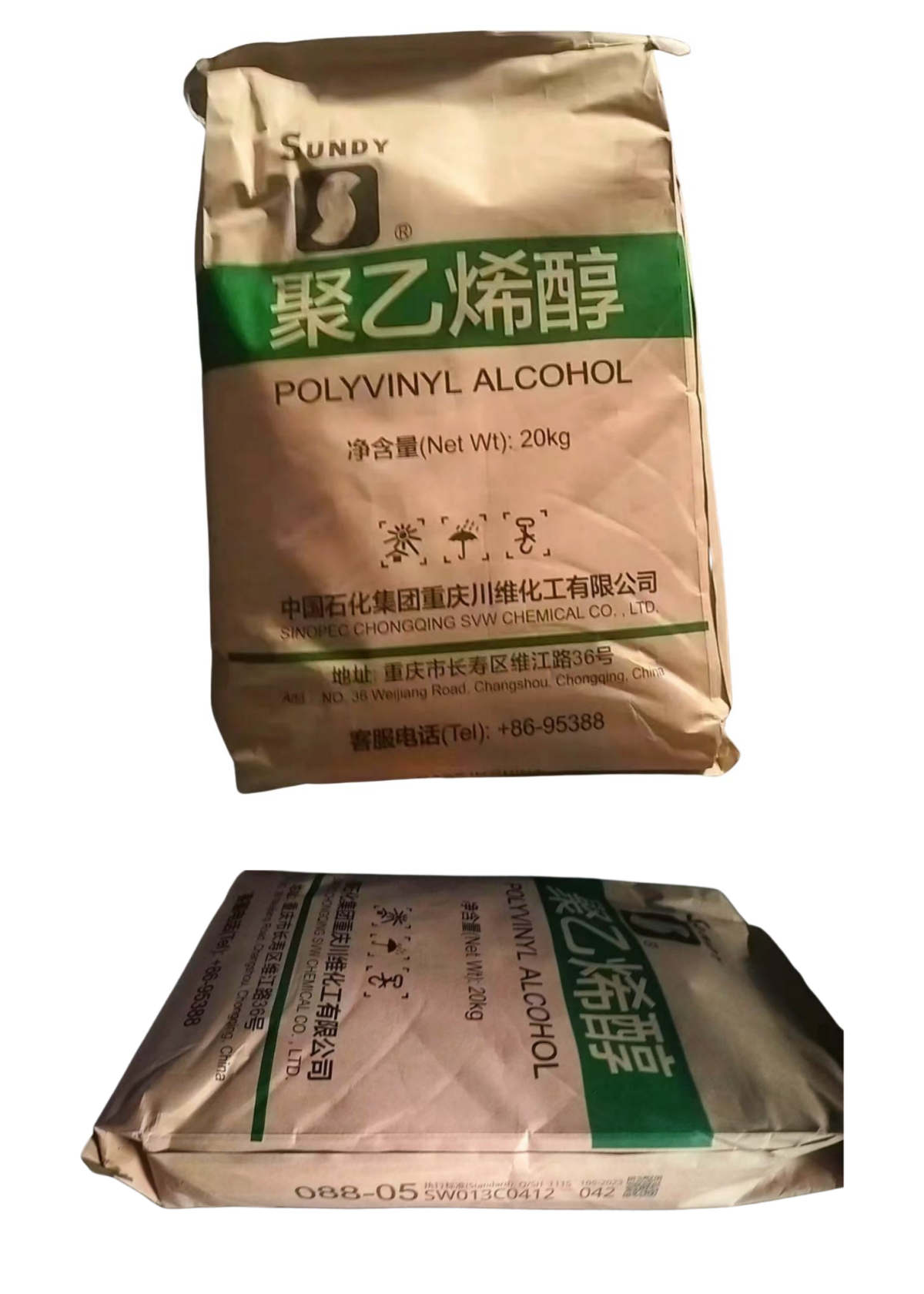
PVA 0588, a low-viscosity partially hydrolyzed polyvinyl alcohol with 87%–89% alcoholysis degree, has become the preferred raw material for water-soluble packaging film, paper coating sizing, and low-viscosity water-based adhesives across global manufacturing factories From my 14 years of technical service experience serving chemical manufacturers, I once assisted a large water-soluble film factory in Southeast Asia that lost over 12 tons of finished products due to irregular PVA 0588 dissolution. The workshop operator poured PVA powder directly into hot water without cold-water pre-dispersion, forming massive insoluble fish-eye agglomerates that blocked casting equipment and caused full batch scrapping. According to research published in Express Polymer Letters, PVA grades with 88% hydrolysis feature short polymer chains, which swell instantly under high temperature and clump if dispersed improperly. Many plant engineers overlook grade-specific dissolution parameters and adopt universal PVA mixing procedures, resulting in unstable solution viscosity, foaming, and inconsistent end-product performance. Mastering standardized industrial dissolution steps for PVA 0588 eliminates unnecessary production loss and locks stable quality for long-term mass manufacturing.
Pre-Dissolution Preparation: Equipment, Raw Material & Water Standard Control
Complete pre-work is the foundation of lump-free PVA 0588 solution, and all standards align with official technical guidelines from Wanwei Chemical and Sinopec PVA division. First, select a stainless steel or enamel dissolving tank equipped with a frame stirrer running at 80–150 rpm; high-shear agitators are forbidden to avoid excess air entrapment and severe foaming. Second, control water temperature strictly below 30°C; tap water with low hardness is required to prevent ion cross-linking that weakens film tensile strength. The standard industrial mass ratio of PVA 0588 to clean water is 1:9 to 1:10, and the maximum solid content should not exceed 10% to cut heating energy consumption. Third, inspect raw material packaging: qualified PVA 0588 powder supplied by formal distributors features uniform mesh size below 120 mesh, volatile matter ≤5.0%, and ash content ≤0.5%. For factories running continuous production, prepare filter screens of 100 mesh to remove tiny undispersed particles post-dissolution.
Standard 4-Step Industrial Dissolution Operation for PVA 0588
This four-stage standardized process is verified in 500L to 5000L industrial reaction kettles and fits all mass-production scenarios of PVA 0588. Step one, add metered room-temperature water into the tank and activate the stirrer at constant low speed. Step two, sprinkle PVA 0588 powder evenly at a slow feeding rate of 10kg per minute; never dump all powder at once. Maintain continuous stirring for 20–30 minutes to fully disperse particles and release internal air to prevent later foaming. Step three, heat the suspension gradually with steam, raising temperature by 5°C every 10 minutes until reaching 90°C, then hold the temperature for 60 minutes with uninterrupted stirring. Step four, shut down heating and cool the transparent solution to 40–50°C under mild stirring, filter through the prepared mesh screen, and transfer to storage tanks for subsequent film casting or adhesive compounding. A fully qualified PVA 0588 solution presents complete transparency without any white jelly residues.
On-site Troubleshooting of Common Dissolution Defects for PVA 0588
Three typical defects frequently appear during PVA 0588 industrial dissolution, with targeted corrective measures proven effective in on-site debugging. The first issue is fish-eye lumps, mainly caused by fast powder feeding or hot initial water; the only viable fix is to strictly follow cold-water pre-dispersion rules, as formed agglomerates cannot be fully dissolved even with prolonged heating. Second, persistent foam overflow during heating, which risks tank overflow and material waste. Operators can pause heating and reduce stirring speed for 15 minutes to defoam naturally, or add tiny doses of matched industrial defoamer compatible with water-based film formulas. Third, opaque turbid solution after full heat preservation, indicating insufficient holding time or uneven heating; extend constant-temperature stirring by another 30 minutes and check steam pipeline uniformity to eliminate cold zones inside the tank.
Process Optimization: How Standard Dissolution Boosts Your Product Output Quality
Sticking to dedicated PVA 0588 dissolution steps delivers measurable economic benefits for downstream production lines. For water-soluble pesticide and laundry packaging film workshops, uniform low-viscosity PVA solution shortens film forming cycle by 12% and raises finished film tensile strength by 8% without extra raw material input. For paper coating factories, lump-free sizing liquid avoids nozzle clogging and reduces daily equipment cleaning downtime by 40 minutes on average. In building mortar additive applications, stable PVA viscosity enhances cement surface adhesion and effectively inhibits coating cracking, cutting customer complaint rates sharply. Plant managers adopting standardized dissolution procedures report a 15% drop in monthly raw material scrap loss compared to teams using casual mixing methods.
Stable Raw Material Supply for Consistent PVA 0588 Dissolution Effect
Even with mature dissolution technology, unstable PVA 0588 raw material batches will break production consistency, making reliable chemical suppliers a core industrial partner. Established in 2009, Guangzhou Minwei PVA Sales Co., Ltd. specializes in full-series water-based adhesive raw materials including authentic Sinopec, Shuangxin and Wanwei PVA 0588 batches with complete factory inspection reports for every shipment. The company operates four strategic warehouses across Guangzhou, Shenzhen, Foshan and Huizhou in the Greater Bay Area, maintaining large continuous stock to support fast delivery without long lead times. Beyond PVA products, Minwei supplies matched VAE emulsion, RDP powder, defoamers and preservatives as one-stop auxiliary chemical solutions. With multi-modal sea, land, rail and air logistics and professional after-sales technical guidance for dissolution debugging, Minwei helps global industrial clients maintain stable, low-loss PVA 0588 production all year round.
Table of Contents
- Pre-Dissolution Preparation: Equipment, Raw Material & Water Standard Control
- Standard 4-Step Industrial Dissolution Operation for PVA 0588
- On-site Troubleshooting of Common Dissolution Defects for PVA 0588
- Process Optimization: How Standard Dissolution Boosts Your Product Output Quality
- Stable Raw Material Supply for Consistent PVA 0588 Dissolution Effect