 EN
EN

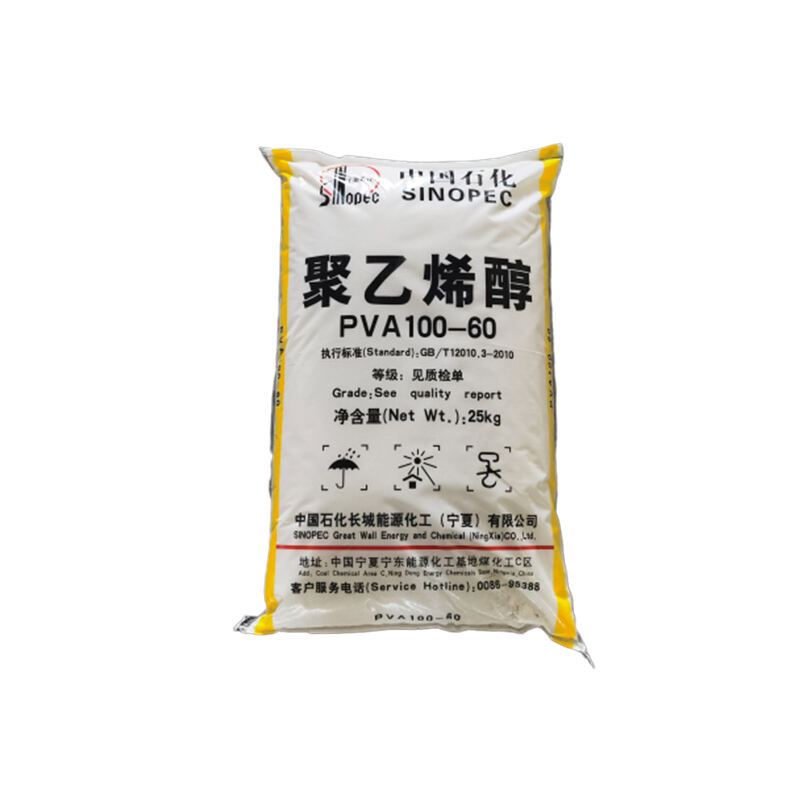
Why Polyvinyl Alcohol Adhesives Excel in Modern Construction
Superior Film Formation and Substrate Wetting on Diverse Building Surfaces
PVA adhesives stick really well because of their special molecular makeup that works great for creating films and getting into surfaces. Regular glues just don't compare since PVA actually seeps into tiny pores on tough materials like concrete, wood, and ceramic surfaces. What happens then is pretty cool - these tiny spaces get filled with continuous films that lock together across the whole surface area. For jobs like laying tiles or fixing structures, this kind of capillary action matters a lot. When working with surfaces that aren't flat or absorb glue poorly, having even coverage without gaps becomes critical for proper bonding.
| Substrate Type | Wetting Efficiency | Bond Strength Improvement |
|---|---|---|
| Concrete | 92% | 40% vs. standard adhesives |
| Low-Absorption Tile | 88% | 35% vs. epoxy systems |
| Engineered Wood | 95% | 50% vs. PVA-free mortars |
The resulting reduction in interfacial defects directly enhances long-term structural integrity under thermal cycling and mechanical load. Field data from commercial projects using optimized PVA formulations show 30% fewer material failures over five years compared to industry benchmarks.
The Hydrolysis Degree–Performance Link: Balancing Water Solubility and Cohesive Strength
PVA performance is precisely tuned by hydrolysis degree—a critical formulation lever ranging from 87% to 99%. Partially hydrolyzed grades (87–89%) retain controlled water solubility for ease of application, cleanup, and reworkability. Fully hydrolyzed variants (98–99%) maximize hydrogen bonding density, delivering irreversible, high-cohesion bonds ideal for permanent structural applications.
The ability to tune these properties addresses one of the big problems facing the industry right now - getting materials that resist moisture but don't become brittle at the same time. Take for example what happens with 89% hydrolyzed PVA. When used in EPS insulation systems, it reaches about 18 MPa of cohesive strength. That's actually around 22% better than what we see with polyurethane adhesives when tested for peeling (according to Ponemon research from 2023). What makes this formulation really stand out is how it handles small leaks. The adhesive can absorb some moisture without losing its grip, which keeps bonds intact. And let's face it, nobody wants to deal with those expensive fixes. On average, moisture issues end up costing commercial building owners roughly $740,000 in repairs.
Optimizing Polyvinyl Alcohol Adhesive Formulations for Structural Bonding
Synergistic PVOH–Cement Interactions in Polymer-Modified Tile Adhesives
When it comes to tile adhesives modified with polymers, polyvinyl alcohol or PVOH makes quite a difference in cement systems. What happens is that PVOH creates these dense yet flexible networks within the cement matrix. The hydroxyl groups in PVOH actually bond with the cement as it hydrates, which helps everything stick together better but still keeps some flexibility. This flexibility is really important because tiles need to handle all sorts of movement and stress where they meet whatever surface they're attached to. Research shows that when manufacturers get the mix right between PVOH and cement, the resulting adhesive can hold up to 32.8% more force when wet compared to regular cement without any modifications. That kind of improvement means tiles stay put even under challenging conditions.
| Property | PVOH-Modified Adhesive | Standard Cement Adhesive |
|---|---|---|
| Wet Shear Strength | 2.1 MPa | 1.58 MPa |
| Flexibility | High | Medium |
| Water Resistance | Enhanced | Basic |
Maximum benefit occurs at 2–5% PVOH content: sufficient to form continuous films around cement particles without inhibiting hydration kinetics or compromising early strength development.
Tailoring Hydrophobicity: Selecting 87–89% Hydrolyzed Grades for EPS, PVC, and Low-Absorption Substrates
Materials like expanded polystyrene (EPS) and PVC need careful management of their water resistance properties, which is where 87 to 89 percent hydrolyzed PVOH really shines. These particular formulations strike a good balance between being soluble enough to work with initially but then forming strong, moisture resistant bonds once cured. The hydrogen bonding here drops around 18% compared to fully hydrolyzed versions, so there's less risk of swelling problems when working with delicate surfaces. Add some cross linking agents to the mix and suddenly what was once seen as a limitation becomes something manufacturers can actually leverage. This creates those tough, water resistant networks that hold up well even in damp conditions or out in the elements where regular coatings would fail.
Moisture Management: Leveraging Re-Wettability for Durability and Repairability
Resolving the Water Solubility Paradox: Controlled Rehydration as a Design Feature in Maintenance-Friendly Systems
Most people see water solubility in PVA adhesives as a problem rather than what it really is – a feature that can actually boost durability when properly designed. The trick lies in controlling how much moisture gets into the material. Manufacturers typically aim for around 87 to 89 percent hydrolysis during production. This creates adhesives that let workers fix problems without breaking down the original bond strength. For example, if there's damage to tiles or panels somewhere, just adding water to the affected area brings back the stickiness needed for rebonding. Real world testing shows these methods cut down on replacement waste by roughly 40%, plus they save money because there's no need for expensive substrate repairs. What makes this approach special is that it changes how we think about maintenance over time. Instead of waiting until something breaks before fixing it, we can maintain structures proactively while saving resources. This means longer lasting buildings and better environmental results overall.
FAQ
What is the primary advantage of using PVA adhesives in construction?
PVA adhesives excel in modern construction due to their superior film formation and substrate wetting capabilities, making them ideal for bonding on surfaces like concrete, wood, and tiles.
How do hydrolysis grades affect PVA adhesives?
Hydrolysis grades in PVA adhesives range from 87% to 99%, affecting properties like water solubility and cohesive strength. Partially hydrolyzed grades are more soluble for easier application, while fully hydrolyzed variants offer stronger permanent bonds.
Can PVA adhesives help in moisture management?
Yes, PVA adhesives can help in moisture management by leveraging controlled rehydration, which facilitates durability and repairability without compromising original bond strength.