PVA 2488 High-Viscosity Grade for Construction Materials

All Categories
High Viscosity PVA 2488 for Mortar and Construction Modification

High Viscosity PVA 2488 for Mortar and Construction Modification

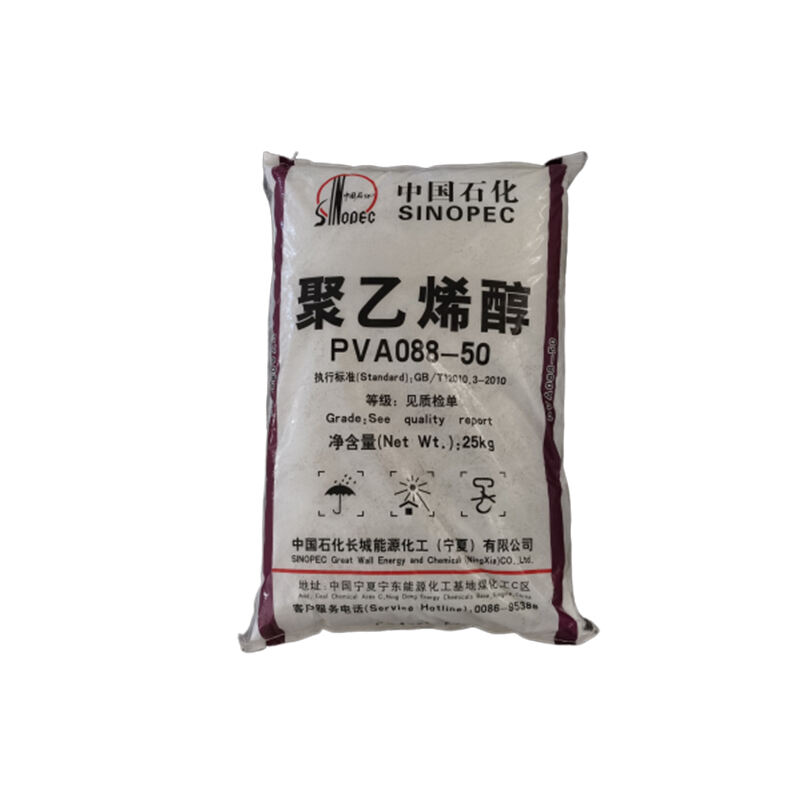
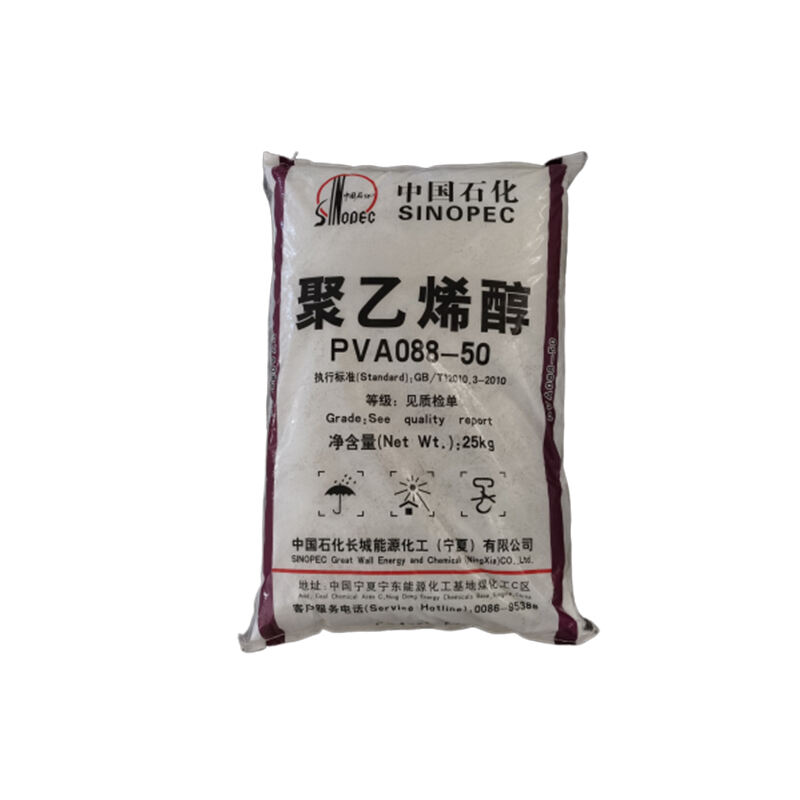
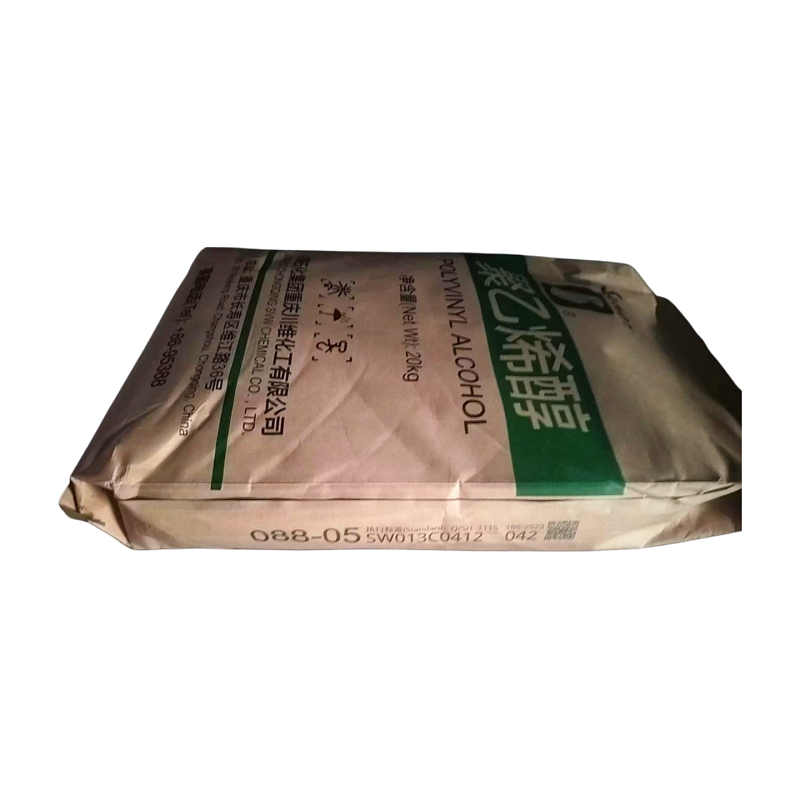
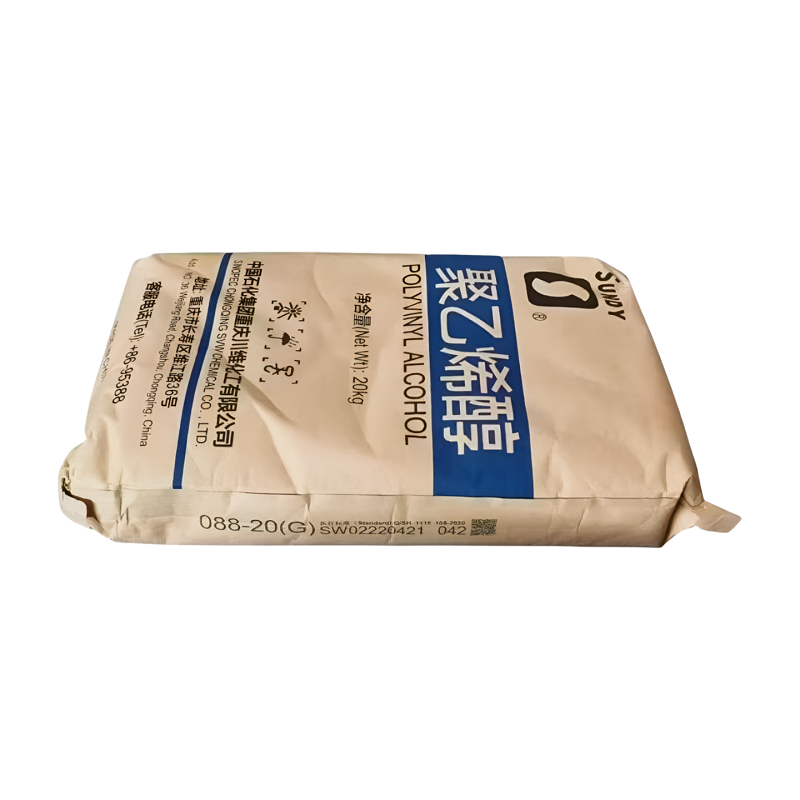
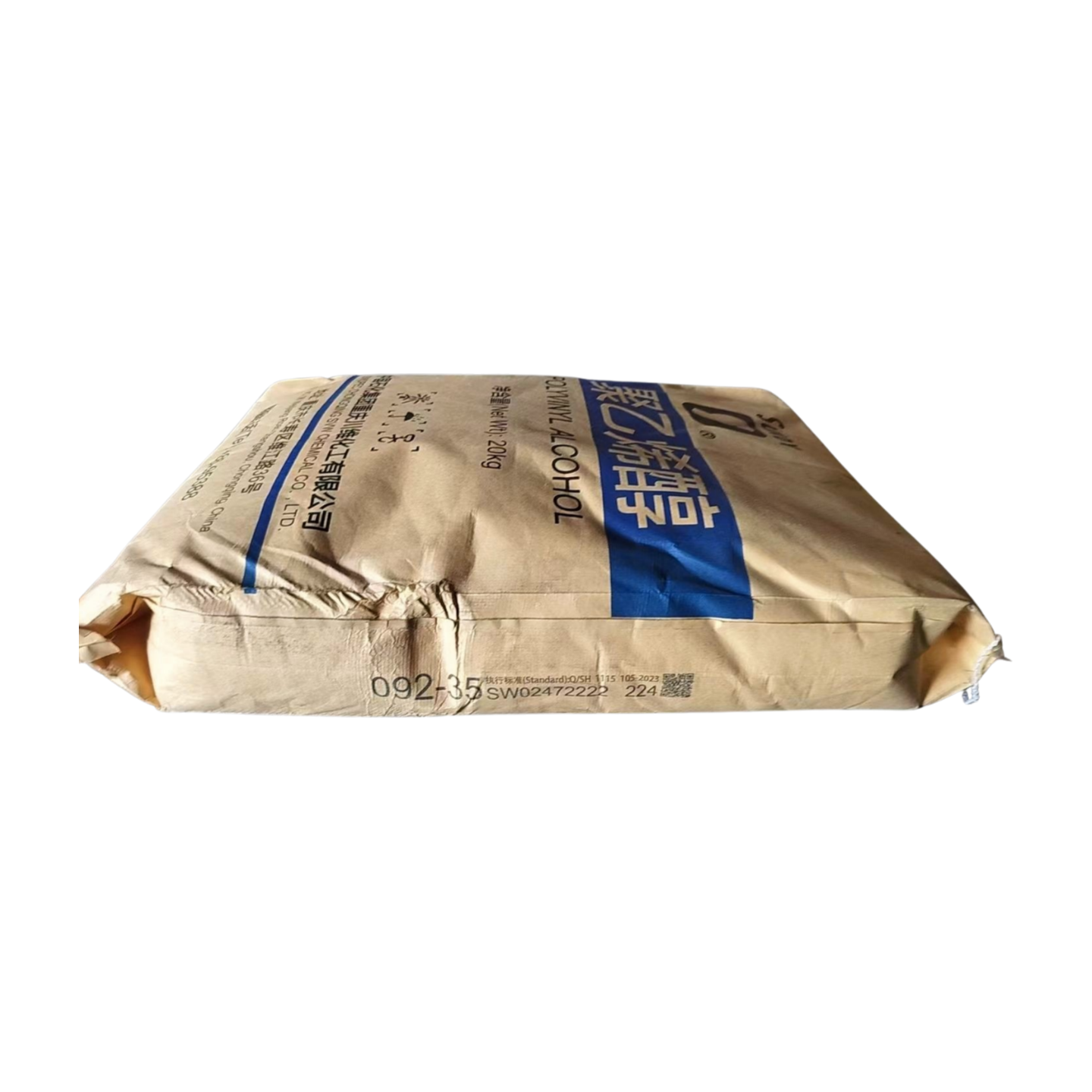
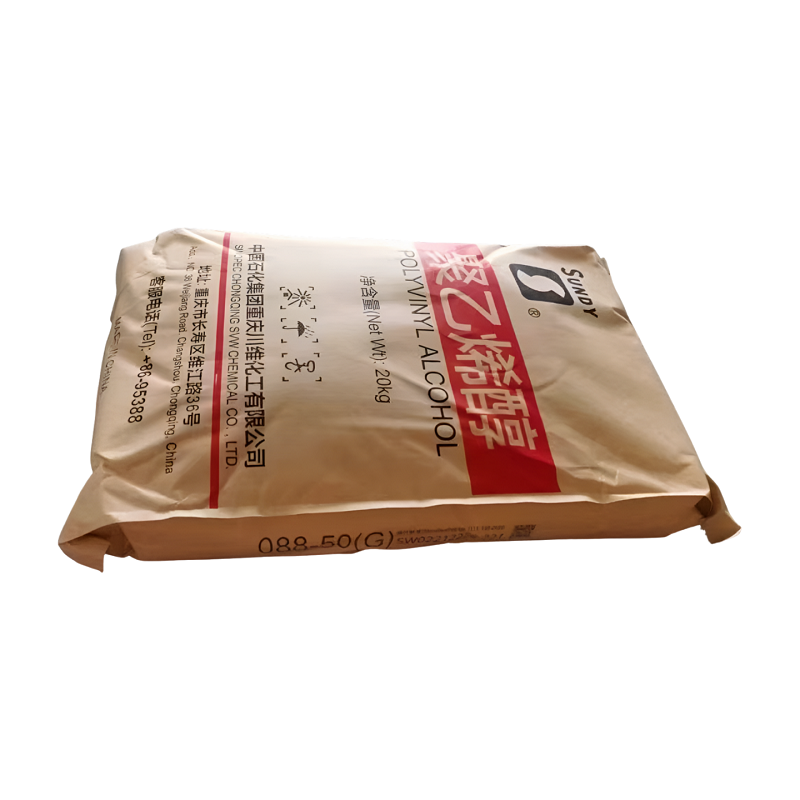
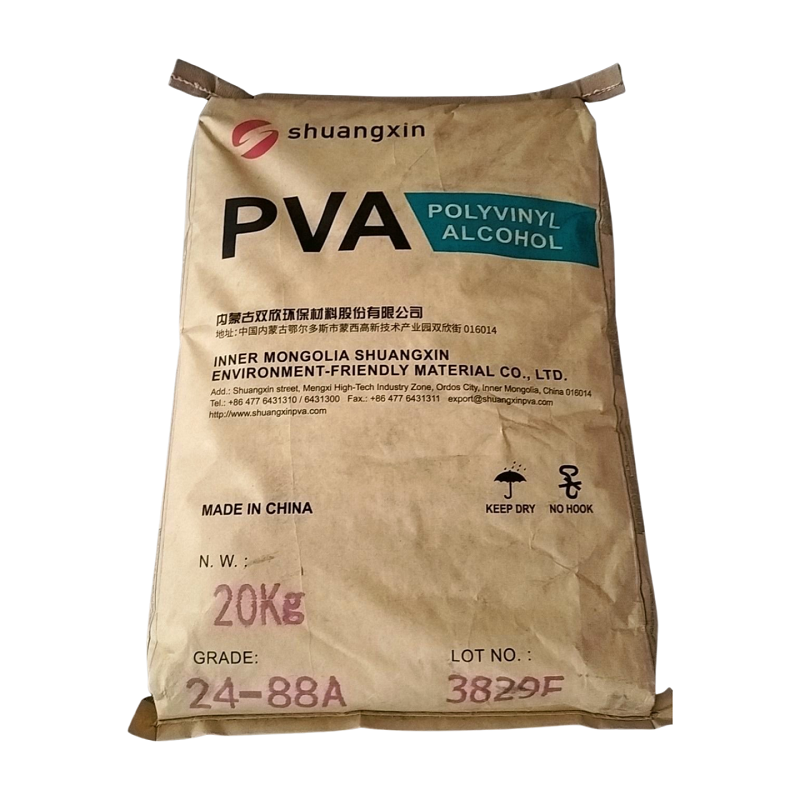
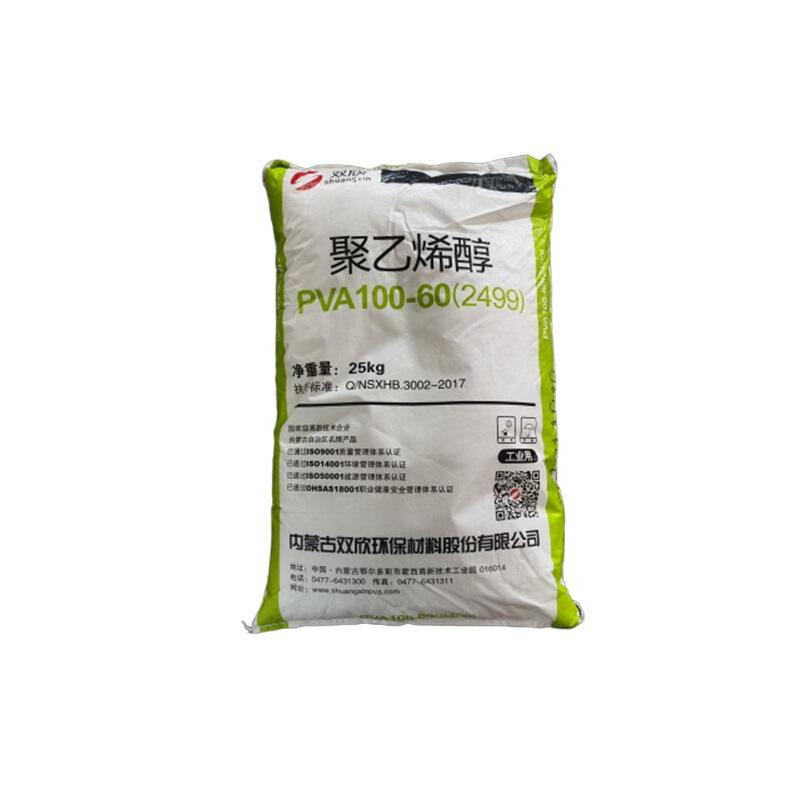
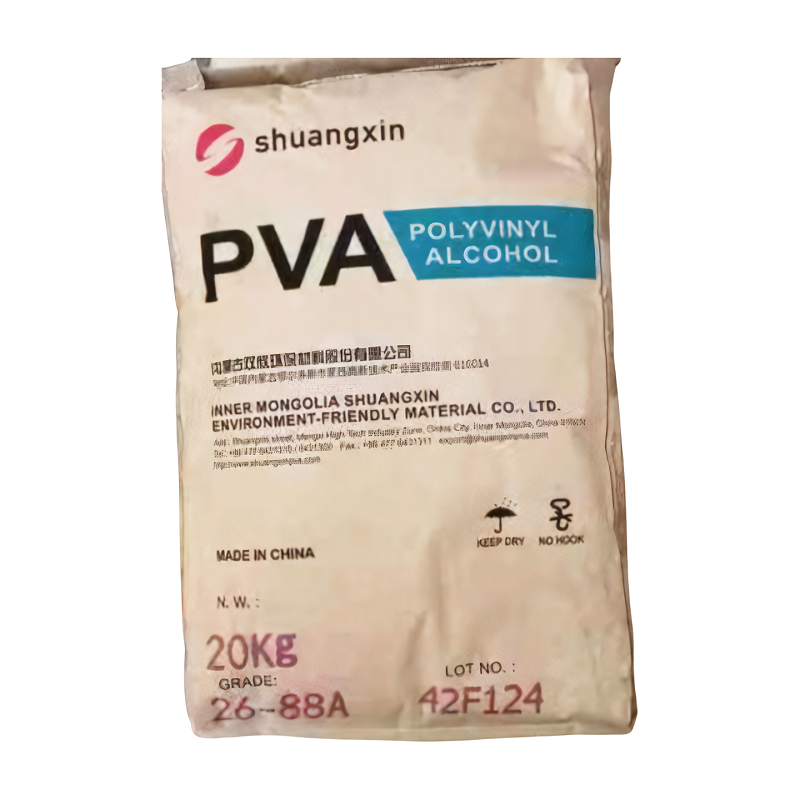
We provide PVA 2488, a high viscosity polyvinyl alcohol designed for applications requiring enhanced bonding strength and structural reinforcement. It is widely used in dry-mix mortar, gypsum modification, and as a protective colloid for vinyl acetate emulsions. PVA 2488 also supports specialty applications such as screen printing temporary adhesives and industrial bonding systems.
Get A Quote

Why choose us?

Stable Industrial Raw Materials

We supply essential chemical raw materials including APS, potassium persulfate, ammonium persulfate, and acrylamide to support polymerization and industrial chemical production processes.

Trusted Brand Resources

We supply recognized materials such as Wanwei polyvinyl alcohol, ensuring stable quality and reliable performance for customers who require well-known and proven industrial brands.

Excellent Film-Forming Properties

Our polyvinyl alcohol and PVOH products provide excellent film formation, flexibility, and surface uniformity, making them suitable for films, coatings, and protective layers.

Related products

PVA 2488 is a high-viscosity polyvinyl alcohol grade developed for demanding bonding and reinforcement applications. Featuring a viscosity of approximately 44–50 mPa·s and an alcoholysis degree of 87–89%, it delivers superior adhesive strength, enhanced film toughness, and excellent mechanical stability. This grade is commonly used in dry-mix mortar systems, gypsum-based building materials, and cement modification formulations where increased cohesion and crack resistance are required. In emulsion polymerization, PVA 2488 acts as a protective colloid for vinyl acetate-based systems, improving emulsion stability and particle distribution. Screen printing adhesives, specialty construction glues, and high-strength paper laminates also benefit from its strong binding capacity. Industrial users select PVA 2488 when structural integrity and durability outweigh flow considerations. For project-specific formulations or pricing guidance, professional consultation is advised to ensure performance targets are fully met.

Frequently Asked Questions

What is acrylamide mainly used for?

Acrylamide is used to produce polyacrylamide polymers applied in water treatment, mining, paper processing, and oilfield operations. These polymers provide flocculation, thickening, and binding functions in industrial systems.
Wanwei PVA grades are commonly used in textile sizing, paper processing, adhesives, and construction materials. They are known for consistent quality, stable viscosity, and reliable solubility in large-scale industrial applications.
PVA improves yarn strength and abrasion resistance during weaving while remaining easy to remove during desizing. Its water solubility and film strength help enhance textile processing efficiency and fabric quality.
Product selection depends on viscosity, bonding strength, flexibility, and application requirements. Customers are encouraged to contact directly for technical evaluation, grade matching, and detailed product information.

Related Articles

VAE in Automotive Interior Coatings: Balancing Aesthetics and Functionality

14

Oct

VAE in Automotive Interior Coatings: Balancing Aesthetics and Functionality

The Science and Strategic Value of VAE Emulsions in Automotive Interiors How VAE Emulsions Enable Balanced Performance in Interior Coatings Vinyl acetate ethylene or VAE emulsions offer something special when it comes to automotive interiors - they ...
View More
Polyvinyl Alcohol: The Unsung Hero of the Packaging and Textile Worlds

14

Oct

Polyvinyl Alcohol: The Unsung Hero of the Packaging and Textile Worlds

The Science Behind Polyvinyl Alcohol: Structure, Properties, and Industrial Grades Chemical Structure and Synthesis of Polyvinyl Alcohol (PVA) Polyvinyl Alcohol or PVA starts as polyvinyl acetate that undergoes hydrolysis, basically swapping out ac...
View More
How RDP Helps Prevent Shrinkage Cracking in Joint Fillers

27

Nov

How RDP Helps Prevent Shrinkage Cracking in Joint Fillers

Understanding Shrinkage Cracking in Cement-Based Joint FillersWhat Causes Shrinkage Cracking in Concrete and Mortars?When cement based materials shrink between 15 and 20 percent during the hydration process and while drying out, shrinkage cracks tend...
View More
The Influence of VAE on the Drying Speed of Coatings

27

Nov

The Influence of VAE on the Drying Speed of Coatings

Explore the role of VAE in enhancing drying efficiency and coating durability in industrial applications. This article delves into the mechanisms, effects of glass transition temperature, and the environmental impact of VAE and PVA in coating systems.
View More

Customer Reviews

Thomas G.

PVA 2488 delivers high bonding strength for dry-mix mortars and gypsum modification, enhancing durability and workability.

Rachel C.

PVA 2488 adapts well to screen printing adhesives and other specialty industrial binders, supporting smooth production processes.

Get a Free Quote

Our representative will contact you soon.
Email
Name
Company Name
Message
0/1000
Learn More About PVA 2488

Learn More About PVA 2488

PVA 2488 provides high viscosity and strong adhesion for industrial formulations. Contact us to discuss its potential for your projects.