 EN

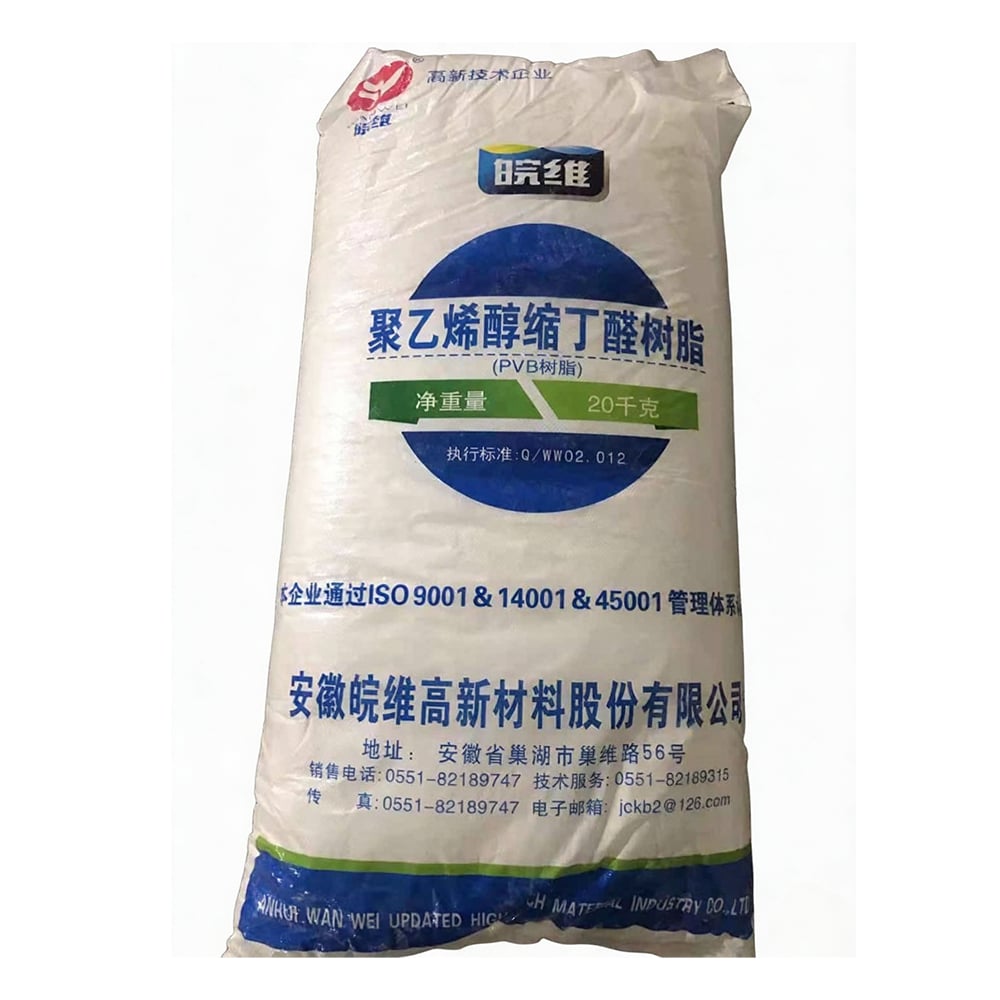
POLYVINYL BUTYRAL PVB RESIN(PVB)
Description
Overview
Polyvinyl butyral (PVB) resin is synthesized through the acetalization reaction of polyvinyl alcohol (PVA) with butyraldehyde, catalyzed by an acid. Due to its unique chemical structure, PVB resin exhibits excellent adhesion to a wide range of materials, including glass, metals, ceramic powders, plastics, leather, and wood. Furthermore, PVB offers good dispersibility for pigments and dyes, demonstrates excellent compatibility with other resins, and can undergo cross-linking reactions with certain thermosetting resins to enhance properties such as film hardness.
Physicochemical Properties
PVB resin appears as white, porous, spherical granules or powder. It has a specific gravity of 1.05 and a bulk density ranging from approximately 0.18 g/ml to 0.30 g/ml. It is soluble in solvents such as alcohols, ketones, and esters, but insoluble in hydrocarbons. Due to variations in molecular weight and structure, its glass transition temperature (Tg) typically falls between 60°C and 80°C; however, this can be reduced to below 20°C through the addition of an appropriate amount of plasticizer.
PVB resin exhibits excellent film-forming properties. The resulting films possess high tensile strength, tear resistance, abrasion resistance, and elasticity. Notably, when used as an interlayer for safety glass, it imparts exceptional impact and penetration resistance—a performance characteristic that remains unmatched by any other material to this day.
Chemical Property
PVB resin exhibits excellent resistance to water, alkalis, and oils. Due to its high hydroxyl content, it provides good pigment dispersion, making it widely used in printing inks and coatings. Furthermore, these hydroxyl groups can undergo cross-linking reactions with phenolic resins, epoxy resins, melamine, and dialdehyde compounds, thereby enhancing resistance to solvents and water, as well as improving the properties of thermosetting resins. In addition, its chemical structure—containing both hydrophobic acetal and acetate groups and hydrophilic hydroxyl groups—enables strong adhesion to a variety of substrates, including glass, metal, plastics, leather, and wood.
Product Summary
Grade |
Appearance |
Bulk Density g/ml |
Volatile Content % |
Viscosity [1] s |
Viscosity [2] mPa·s |
Hydroxyl Content wt% |
Acetal Content wt% |
Acetyl Content wt% |
Free Acid % |
Transparency 430nm ≥ |
Transparency 600nm ≥ |
Low viscosity | |||||||||||
WH-N-10L |
White powder |
0.18~0.30 |
≤3.0 |
≤4 |
≤40 |
18~22 |
73~80 |
≤3.0 |
≤0.01 |
90 |
95 |
WH-N-10 |
White powder |
0.18~0.30 |
≤3.0 |
4~7 |
40~100 |
18~22 |
73~80 |
≤3.0 |
≤0.01 |
90 |
95 |
WH-N-20 |
White powder |
0.18~0.30 |
≤3.0 |
7~12 |
100~180 |
18~22 |
73~80 |
≤3.0 |
≤0.01 |
90 |
95 |
WH-N-30 |
White powder |
0.18~0.30 |
≤3.0 |
12~18 |
180~280 |
18~22 |
73~80 |
≤3.0 |
≤0.01 |
90 |
95 |
Medium viscosity | |||||||||||
WH-N-40 |
White powder |
0.18~0.30 |
≤3.0 |
18~30 |
280~500 |
18~22 |
73~80 |
≤3.0 |
≤0.01 |
90 |
95 |
WH-N-50 |
White powder |
0.18~0.30 |
≤3.0 |
30~60 |
500~850 |
18~22 |
73~80 |
≤3.0 |
≤0.01 |
90 |
95 |
High viscosity | |||||||||||
WH-N-60 |
White powder |
0.18~0.30 |
≤3.0 |
60~140 |
850~1800 |
18~22 |
73~80 |
≤3.0 |
≤0.01 |
90 |
95 |
WH-N-70 |
White powder |
0.18~0.30 |
≤3.0 |
≥140 |
≥1800 |
18~22 |
73~80 |
≤3.0 |
≤0.01 |
90 |
95 |
Product Application
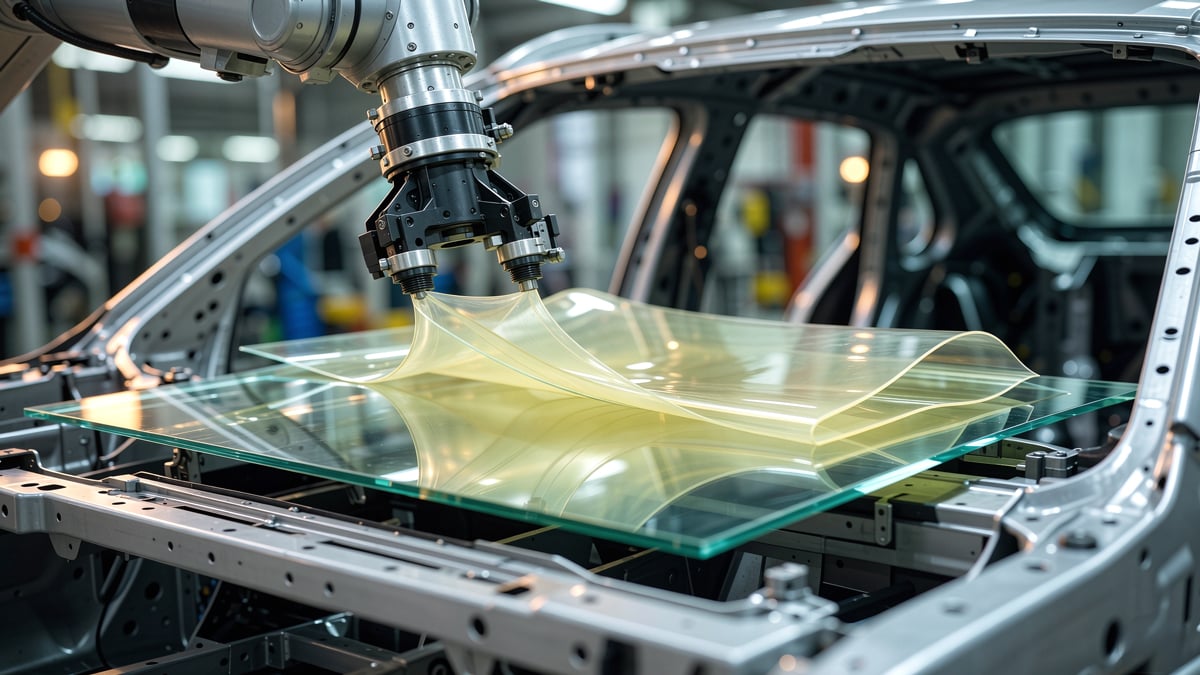
Industrial Adhesives
Phenolic-PVB structural adhesives (acetal-phenolic adhesives), metal/glass composite bonding, hot-melt adhesives, and bonding for copper-clad laminates/PCBs.
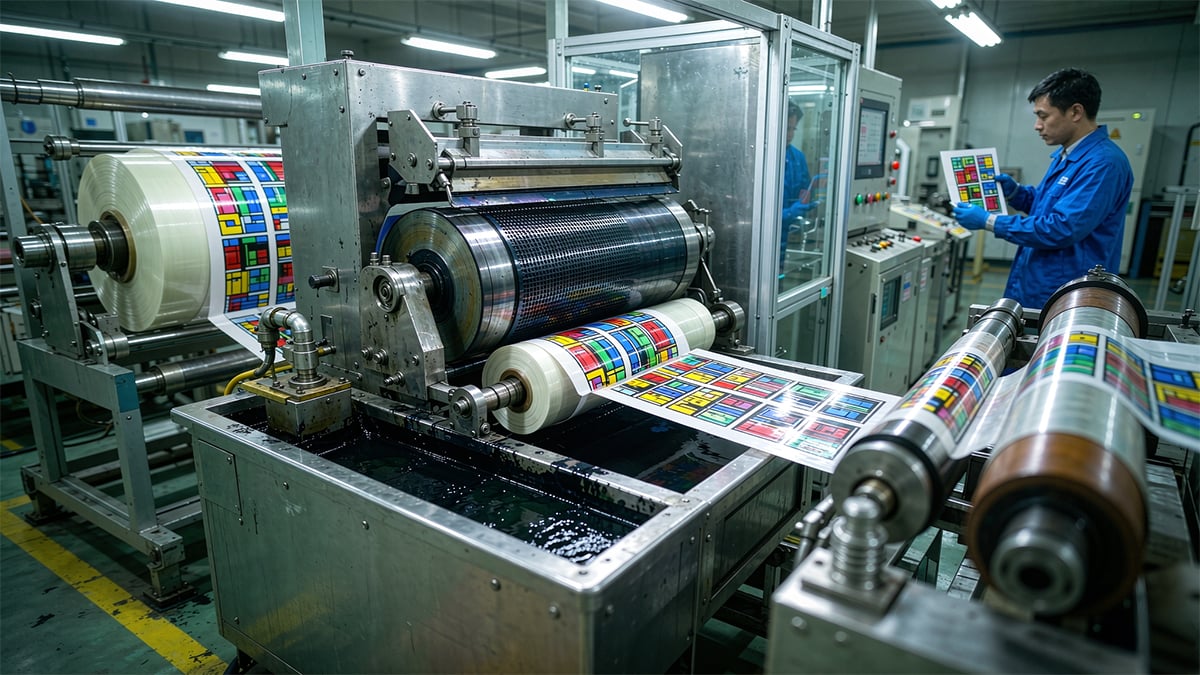
Inks and Printing Binders
Alcohol-soluble inks, including those for rotogravure/flexographic printing, metal printing, and signage.

Coatings and Primers
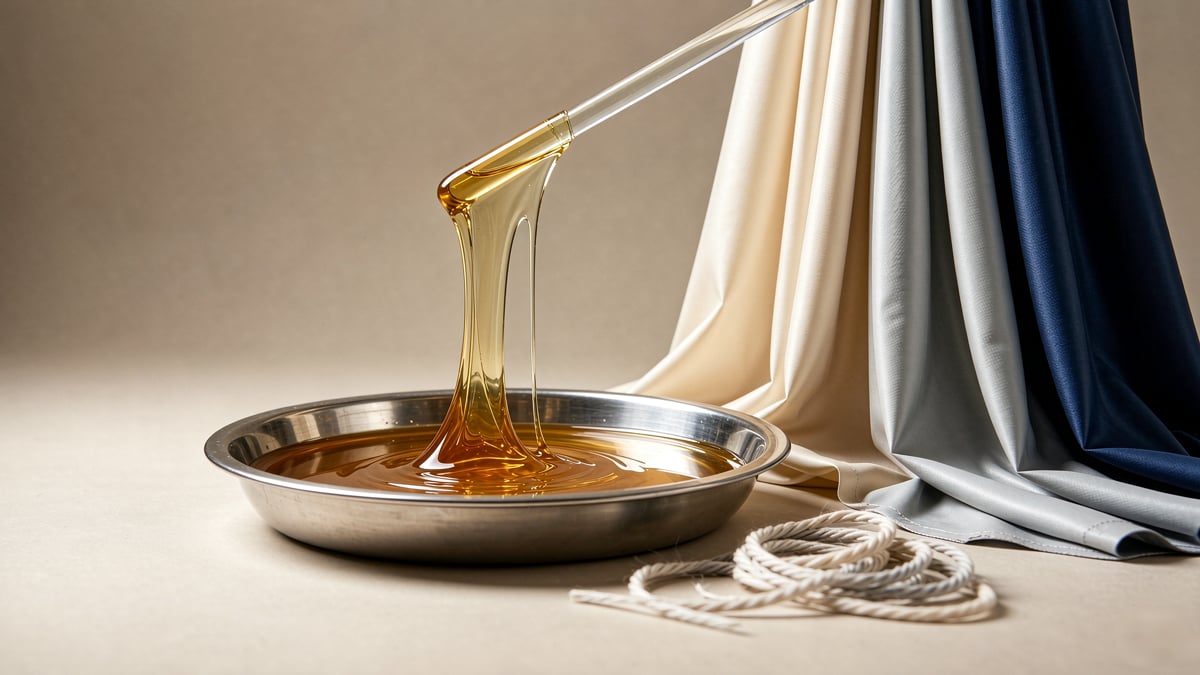
Etch primers (wash primers), metal-etching primers (phosphating primers), wood-sealing primers, strippable protective coatings, and modifiers for powder coatings.
Other Specialty Bonding Applications
Binders for grinding wheels and resin-bonded abrasives, foundry coatings, adhesives for carton-sealing pastes, treatment agents for leather and textiles, and adhesive layers for reflective materials and retroreflective films.
Package
12.5 kg/bag.
Storage
Store in a dry, well-ventilated room at room temperature 5-30℃. Do not approach heat sources, prevent humidity, avoid sun exposure. It is forbidden to store together with volatile chemicals to prevent adsorption deterioration.
Packing Mark
PVB product packaging should have clear and firm marks indicating product name, model, grade, batch number, net weight, manufacturer name and address.
Transportation
PVB products should be transported with clean covered transportation vehicles to prevent moisture, rain and sun. Handle them gently to prevent scratching or breaking the package.
