 EN
EN

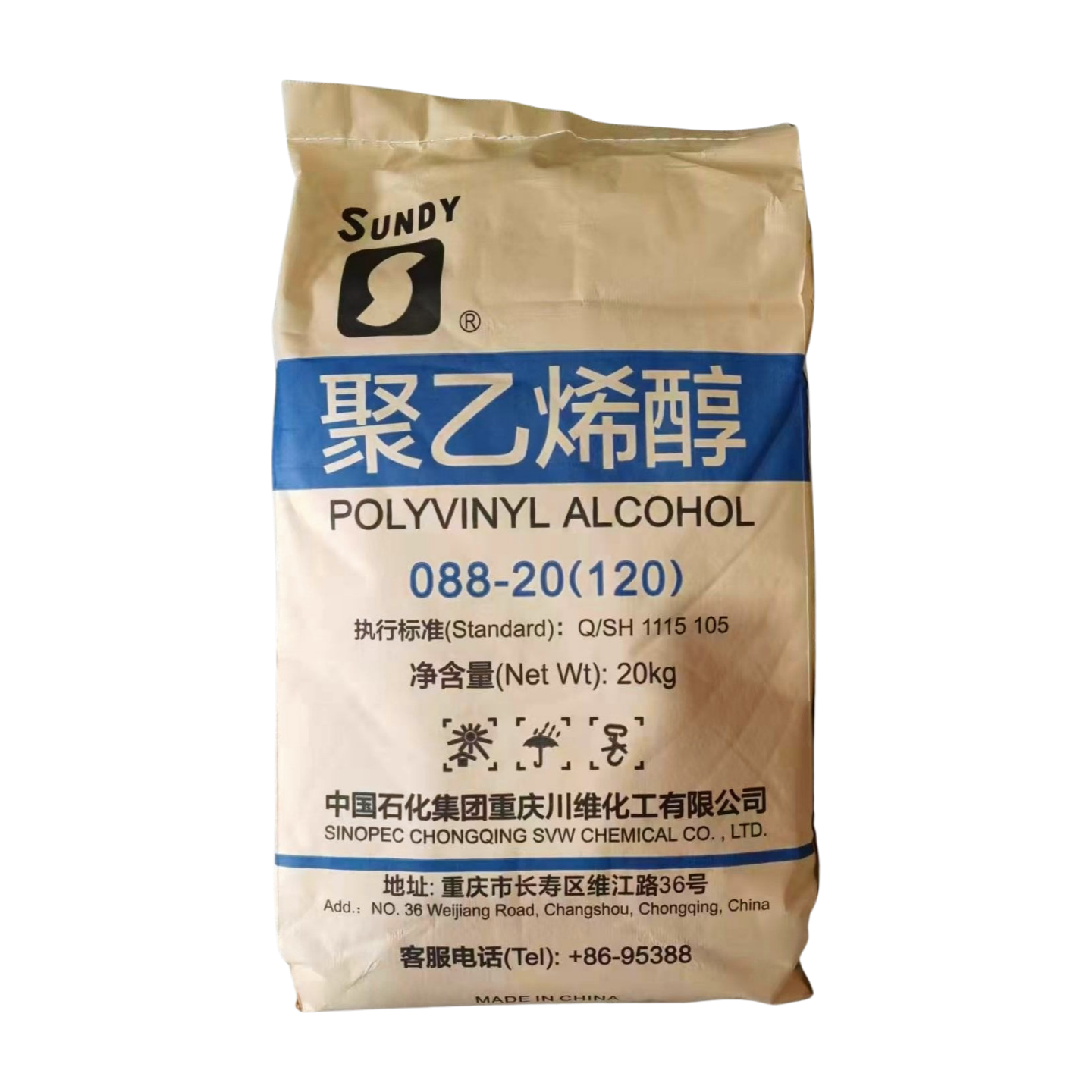
Quomodo Alcoolis Polyvinylis Facilitat Opus in Statu Recenti
Controllo Rheologicum: Reductio Tensionis Cessationis et Melioratio Viscositatis Plasticæ
Cum ad massam cementiciam additur, alcoholem polyvinylicum (PVA) mutat modum quo materia fluit, dissolvendo retia flocculationis propter effectus stabilisationis stericae. Quid hoc in praxi significat? Tensio cedendi minuitur inter 15% et 30% respectu mixturarum ordinariarum sine PVA, ita ut operarii eam multo aequabiliter et minore labore applicare possint dum spatulam utuntur. Interim, illae catenae polimerorum hydrophilicarum in PVA reapse augent viscositatem plasticam circiter 20% ad 40%, quamquam haec variatio pendet a pondere moleculari specifici PVA uti. Haec viscositas aucta adiuvat ut segregatio vitetur, simul tamen bonam resistentiam contra defluxum servat, quae ad superficies verticales est maxime necessaria. Plurimi conductorum inveniunt PVA cuius pondera molecularia inter circiter 85 000 et 124 000 g/mol sunt optima esse, quoniam sufficienter viscositatem augent sine eo ut mixtura nimis adhaerens ad manum fiat.
Effectus Liminis Dosimetrici: Cum Excessus Alcohole Polyvinilici Fluxum Slump Impedit et Adhaesivitatem Augent
Postquam excedimus illud optimum intervallum, quod est circiter 0,3 ad 0,5 procentum PVA relativum ad pondus cementi, res cito deteriorantur. Pro quolibet addito 0,1 procento ultra hunc terminum, fluxus conglutinationis decrescit inter 8 et 12 procenta, dum viscositas adhaerens crescit inter 25 et 40 procenta, secundum illos experimentales probatorum. Tempora indurationis etiam producuntur circiter 15 ad 25 minuta ultra normam. Quae hic accidunt, plane simplicia sunt. Excessus PVA creat continues pelliculas per totam misturam, quae aquarum moleculas in tempore hydrationis quasi includunt. Hoc omne genus incommodorum parit, inter quae maior viscositas in punctis contactus inter particulas et maior resistentia ad instrumenta manu tractanda. Contractiones, quae cum misturis continentes plus quam 0,7 procentum PVA operaverunt, fere 30 procento plures operarios necessarios esse referunt, ut superficies rite perficiantur, quia omnia ita adhaerent. Omnes illae primitivae emendationes in tractabilitate sub his condicionibus penitus evanescunt.
Duplex Effectus Polyvinyl Alcohol in Perfectione Mechanica
Incrementa Resistentiae ad Tractionem et Flexionem per Connexionem Microfissurarum (Usque ad 32% ad Concentrationem 0,5% Polyvinyl Alcohol)
Additio PVA ad massas construendas constructionis eorum robur augere potest in tensione et in viribus flexionis propter modum, quo microfissuras connecit. Fibrae PVA reapse retia inter se in mistura cementi constituunt, quae propagationem fissurarum prohibent, cum pressio applicatur. Experimenta in laboratoriis invenere quod, ad concentrationem circiter 0,5%, resistentia ad flexionem usque ad 32% augetur comparata ad misturas regulares sine PVA. Quod hic accidit est quod gruppi hydroxylici in PVA per legamina hydrogenii cum particulis cementi coniunguntur, pontes flexibiles formantes qui distributionem stress auxiliantur. Praeterea, facultas PVA ad formandos films structuram totam roborat, quod valde refert ad substantias ut massae parietales, ubi fragilitas in stratis tenuibus vere problema esse potest.
Compressivae Fortitudinis Compensatio: Hydrationis Interferentia Supra 0,3% Polyvinyl Alcohol (evidentia ex SEM-EDS)
Cum contentum PVA supra 0,3 % crescat, de facto conditio commutationis inter se cum resistentia ad compressionem exsistit, quia processus hydrationis perturbatur. Haec per microscopiam electronicam scanning combinatam cum spectroscopia radii X dispersiva in energia investigata sunt, ut vera natura rei patefiat. Excessus PVA pelliculas hydrophobas circa particulas cementi creat, quae reactiones hydrationis necessarias ad concretum validum tardant. Ad concentrationem PVA circiter 0,4 %, experimenta ostendunt resistentiam ad compressionem revera decrescere inter 14 et 18 procentum. Cur? Quia omnes istae strata polymera aquam prohibent ad partes anhydridas clinkeris in mistura perveniens. Hoc ducit ad regiones ubi hydratio non plene perficitur et ad incrementum numeri pororum minutissimorum per totum materiale. Plurimi fabricantes inveniunt optime esse PVA tenere inter 0,2 et 0,3 % pro applicationibus communibus spatchulorum. Licet ad has concentrationes aliquae amissiones resistentiae ad compressionem appareant, beneficium ex eo oritur quod materia parvulas rimas optime connectit, ita ut levis diminutio resistentiae generalis tolerabilis sit.
Adhaesio Praestantior et Resistentia ad Fissuras in Applicationibus Strati Tenuis
Fortitudo Aucta Vinculi Interfacialis in Substratis Ex Concreto et Ex Aerato Autoclavato Calcare (ASTM C1583: +41% ad 0,4% Alcoholem Polyvinylicum)
Cum ad massam tenuem additur, PVA revera mutat vim adhaesionis eius, propter duas diversas vias, quibus res inter se coniungit. Invenimus, cum circa 0,4 % PVA utimur, vim adhaesionis multo fortius fieri tam in concretis vulgaribus quam in levi blocis AAC, incremento circiter 41 % secundum experimenta normativa (ASTM C1583). Quod hic accidit valde interest. Nam gruppi hydroxylici in PVA hydrogenia vincula formant cum mineralibus in superficie, quasi microscopicae velcra. Interim longae catenae polymerorum in minutas poros superficiei, cui adhaerere debet, intexuntur. Sic filmum flexibile creatur, quod simul cum structuris movetur dum expanduntur et contrahuntur, sine disrumpendo. Aliud mirabile de PVA est quomodo parvas rimas tractat: stress distribuit per aream, ita ut rimae non tam cito propagentur, decremento progressionis earum circiter 25–30 % etiam sub motu dynamico. Sed est locus optimus pro hoc: si ultra 0,5 % progrediamur, materia incipit nimis esse fragilis. Experimenta in rebus veris ostendunt has compositiones multo melius sustinere cyclos gelationis et fusionis, quod magni momenti est pro omnibus rebus extra aedificia. Propter hanc combinationem fortium vinculorum et facultatis rimas opprimendi, massae modificatae PVA optime funguntur in locis ubi stress cum tempore accumulatur, praesertim circa iuncturas et angulos aedificiorum, ubi pleraeque defectus oriri solent.
Optimizatio Practica Dosium pro Formulationibus Commerciale Putty Parietis
Ad obtinendum rectam quantitatem PVA in massā murōrum, omnia pendēbant ex inveniendō illo punctō dulcī inter id quod bene fungitur et id quod rationem fināniciam habet. Tensilis et flexilis fortitūdō ad summum suum perveniunt circa 0,5% PVA, quia hoc adiuvat minūta fīssūrae coniungere; sed cave, cum ultra 0,3% progredīs, quia fortitūdō compressiva incipit decrēscere propter impedīmenta in hydrātiōne. Cum tenuibus strātīs operāris, plērīque perītī inveniunt 0,4% praebēre maximum adhaesiōnis vīnculum, quod secundum normās ASTM superficiēbus concretīs adhēsiōnem augēre vidētur circiter 41%, simul tamen mixtūram facile tractābilem manēre dum recēns est. Pro commūnibus opēribus intus, quae maxime adhaesiōnem et fīssūrārum praeventiōnem postulant, fabricātōrēs saepius ad 0,3%–0,4% tendunt. Serva 0,5% ad opera extrīnseca quae praecipuam roburītem postulant. Tamen meminisse oportet: quaelibet superficiēs aliter reagit, itaque semper prīmum experīre. Augēre quantitātem ab 0,4% ad 0,5% fortasse tantum adhēsiōnem aliīs 10% addat, sed certē materialem cōstam 15–20% augebit.
FAQ
Quae est optima PVA quantitas ad facilitatem tractationis et ad incrementum firmitatis?
Ad optimam tractabilitatem et firmitatem, concentratio inter 0,3 % et 0,5 % PVA respectu ponderis cementi suadetur. His in gradibus stressus plasticus minuitur et viscositas plastica augetur, quae applicationem leniorem facit et segregationem prohibet.
Quomodo alcoholem polyvinilicum influentiam exercet in resistentiam ad tractionem et ad flexionem?
PVA resistentiam ad tractionem et ad flexionem auget reticulando conexiones intra mixturam cementi, quae propagationem rimarum impediunt, ita ut incrementum firmitatis usque ad 32 % ad concentrationem PVA 0,5 % consequatur.
Cur resistentia ad compressionem cum altioribus PVA quantitatibus decrescit?
PVA contentus ultra 0,3 % hydrationem perturbat, quoniam pelliculae hydrophobae reactiones hydrationis retardant, quod ad 0,4 % concentrationem ad decrementum resistentiae ad compressionem 14–18 % ducit propter incompletam hydrationem.
Quae est PVA influentia in adhaesionem et in resistentiam ad rimas in tenuibus stratis?
PVA adhaesionem et resistentiam contra rimas in tenuibus stratis notabiliter auget, formando legamina hydrogenii et flexibiles pelliculas quae cum structuris moventur, fortitudinem adhaesionis usque ad 41 % augentes in concentratione 0.4 % et crescere rimarum usque ad 30 % minuentes.
Quomodo dosim PVA ad optimam efficaciam in commerciali pasta parietali aptare debeam?
In commerciali pasta parietali, concentratio PVA inter 0.3 % et 0.4 % servanda est pro operibus interioribus; pro operibus exterioribus autem, ubi maior fortitudo requiritur, dosis adiuvanda est, sed incrementum pretii propter altiorem concentrationem PVA considerandum est.
Index Contentorum
- Quomodo Alcoolis Polyvinylis Facilitat Opus in Statu Recenti
- Duplex Effectus Polyvinyl Alcohol in Perfectione Mechanica
- Adhaesio Praestantior et Resistentia ad Fissuras in Applicationibus Strati Tenuis
- Optimizatio Practica Dosium pro Formulationibus Commerciale Putty Parietis
-
FAQ
- Quae est optima PVA quantitas ad facilitatem tractationis et ad incrementum firmitatis?
- Quomodo alcoholem polyvinilicum influentiam exercet in resistentiam ad tractionem et ad flexionem?
- Cur resistentia ad compressionem cum altioribus PVA quantitatibus decrescit?
- Quae est PVA influentia in adhaesionem et in resistentiam ad rimas in tenuibus stratis?
- Quomodo dosim PVA ad optimam efficaciam in commerciali pasta parietali aptare debeam?