 EN
EN

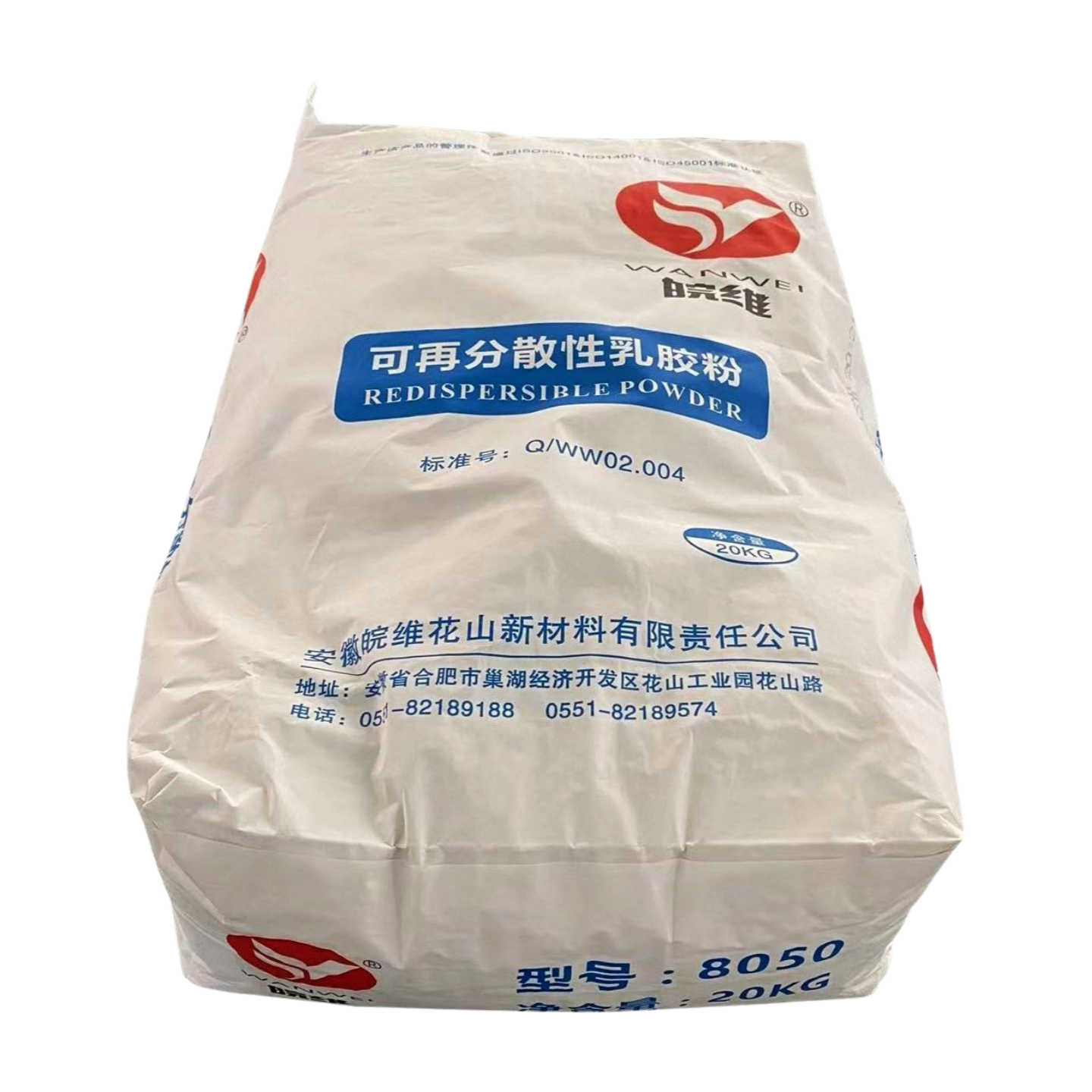
چگونه پودر پلیمر پراکندهپذیر کارایی و صافی سطح را بهبود میبخشد
افزودن پودر پلیمر پراکندهپذیر (RDP) گچکاری را آسانتر میکند، زیرا بر نحوه جریان مواد در کنار یکدیگر تأثیر میگذارد. هنگامی که این ذرات ریز RDP در ترکیبات گچ یا سیمان مخلوط میشوند، بهصورت یکنواخت در سراسر مخلوط پخش میشوند و شبکهای چسبنده بین تمام ذرات جامد ایجاد میکنند. آنچه در ادامه رخ میدهد در واقع بسیار جالب است: این شبکه عملی شبیه روغن بین قطعات متحرک دارد، بنابراین مقاومت در هنگام کار با ماده کاهش مییابد. پیمانکاران متوجه میشوند که میتوانند سطح را بسیار بهتر صاف کنند بدون اینکه نوارهای ناخوشایند ابزار روی سطح باقی بماند. این ماده بهراحتی روی سطح لغزیده و تا زمانی که بهصورت طبیعی نشسته شود، حرکت میکند؛ با این حال شکل خود را حفظ میکند و زودتر از موعد نمیآویزد. بر اساس آزمایشهای واقعی، کارگران در محلهای اجرایی که از RDP استفاده شده است، حدود ۳۰ درصد زمان کمتری را صرف مبارزه با مواد میکنند. و از آنجا که دیوارها در سطوح گستردهتری صافتر باقی میمانند، کسی نیازی به رفع مشکلات در مراحل بعدی پروژه نخواهد داشت.
کنترل رئولوژی برای کاربرد آسان با سطحکش و تسطیح یکنواخت
RDP فیلمی پلیمری خاص درون گچآهک ایجاد میکند که عملکردی شبیه به بلبرینگهای ریز دارد. این ویژگی مقاومت تسلیم (یعنی میزان نیروی لازم برای شروع جریان ماده) را حدود ۴۵ درصد نسبت به مخلوطهای معمولی کاهش میدهد؛ طبق گزارش مجله مواد ساختمانی در سال گذشته. هنگامی که فردی سطحکش را روی این ماده حرکت میدهد، پدیده جالبی در ویسکوزیته رخ میدهد: تحت فشار ابزار، ماده بهصورت موقت رقیقتر شده و بهراحتی پخش میشود، اما سپس بهسرعت به حالت عادی خود بازمیگردد تا از مشکلات لغزش یا افتادگی جلوگیری شود. این فرآیند کلی به حفظ تسطیح مناسب کمک میکند و از تشکیل نوارهای نامطلوب در لبهها جلوگیری مینماید. علاوه بر این، RDP در حین اجراء آب را بسیار خوب نگه میدارد و این امر باعث ثبات و یکنواختی کار در سراسر محل اجرا میشود. نیازی به تمپر مداوم مجدد نیست که معمولاً منجر به سختشدن نامنظم و نتایج غیریکنواخت در مرحله بعدی میشود.
زمان باز طولانیتر و مقاومت در برابر لغزش روی سطوح عمودی
گچهای اصلاحشده با RDP توانایی حفظ وضعیت کارپذیر خود را برای مدت طولانیتری دارند، در عین حال استحکام اولیه مناسبی نیز توسعه میدهند. هنگام اعمال، پلیمر لایهای را ایجاد میکند که از از دست رفتن آب جلوگیری میکند و به کارگران حدود ۱۵ تا ۲۵ دقیقه زمان اضافی میدهد تا قبل از شروع گیرش مخلوط، کار خود را انجام دهند؛ این امر بهویژه هنگام کار روی اشکال پیچیده یا در طول موجهای گرمایی تابستانی بسیار حائز اهمیت است. آنچه این گچها را از سایرین متمایز میکند، توانایی بالاتر آنها در حفظ یکپارچگی و جلوگیری از لغزش روی دیوارهاست، بهویژه برای پوششهای ضخیمتر از ۱۰ میلیمتر روی سطوح عمودی. از دیدگاه علمی، RDP به این دلیل عمل میکند که بخشی از ساختار آن مولکولهای آب را جذب میکند و بخش دیگر آن پیوندهای داخلی قویتری را در ماده ایجاد مینماید. آزمونهای میدانی نیز نتایج چشمگیری نشان دادهاند: دیوارهایی که با گچ حاوی RDP پوشش داده شدهاند، در مقایسه با گچ معمولی در شرایط مشابه (حدود ۸۵ درجه فارنهایت)، حدود ۹۰ درصد کمتر دچار افت یا خمیدگی میشوند. این بدان معناست که پیمانکاران میتوانند حتی در پروژههای سقفی — که معمولاً نیازمند چندین لایه اعمال متوالی است — گچ را در یک مرحله اعمال کنند.
افزایش چسبندگی، انعطافپذیری و مقاومت در برابر ترکخوردگی با پودر پلیمر پراکندهشونده
پیوند قویتر بین زیرلایه و گچکاری روی بتن، آجر و گچ
هنگامی که پودر پلیمر پراکندهشونده در گچ مخلوط میشود، تأثیر قابلتوجهی بر میزان چسبندگی آن به سطوحی مانند بتن، آجر و صفحات گچی دارد. این اتفاق به این دلیل رخ میدهد که ذرات ریز پلیمری در حین اعمال، واقعاً به منافذ میکروسکوپی زیرلایه نفوذ میکنند. این ذرات هم اتصالات فیزیکی (مانند قلابهای ریز) به سطح ایجاد میکنند و هم پیوندهای شیمیایی با مواد معدنی موجود در زیرلایه برقرار میسازند. آزمایشهای آزمایشگاهی که با روش استاندارد جداکننده (pull-off) انجام شدهاند، نشان میدهند این ماده میتواند استحکام چسبندگی را نسبت به مخلوطهای معمولی گچ تقریباً ۴۰ درصد افزایش دهد. این میزان چسبندگی اهمیت زیادی دارد، زیرا از بلندشدن گچ در اثر تغییرات دما یا ضربههای اتفاقی جلوگیری میکند؛ به همین دلیل پیمانکاران از این ماده در فضاهای تجاری شلوغ که دیوارها تحت سایش و فرسایش مداوم قرار میگیرند، استفاده میکنند. علاوه بر این، نحوه تشکیل فیلم توسط این پلیمرها به پوشاندن ناهمواریها و ترکهای ریز روی سطوح خشن کمک میکند؛ بنابراین حتی بلوکهای بتنی قدیمی و آجرهای نامتجانس نیز با پوشش گچی هموار و یکنواختی پایان مییابند.
تشکیل فیلم پلیمری که ریزترکخوردگی و انقباض ناشی از خشکشدن را به حداقل میرساند
هنگامی که مادهای سخت میشود، پودرهای پلیمری قابل پراکندگی با هم ترکیب شده و یک فیلم انعطافپذیر را در سراسر ساختار معدنی ایجاد میکنند. آنچه در ادامه رخ میدهد بسیار جالب است: این شبکه به پخش تنشهای داخلی ناشی از از دست دادن رطوبت کمک میکند و منجر به کاهش انقباض ناشی از خشکشدن تقریباً به میزان ۳۰ درصد (با حاشیه خطایی) میشود. خود این فیلم قادر است حرکات موجود در ماده زیرین را بدون اینکه واقعاً ترک بخورد، تحمل کند؛ بنابراین با گذشت زمان، تعداد ترکهای ریز در سازههای قدیمی کاهش مییابد. نکته دیگری که ارزش ذکر دارد، پرکردن این فیلمها از منافذ مویین ریز موجود در ماده است که باعث کند شدن نرخ تبخیر آب از بخشهای مختلف ماده میشود. و از آنجا که از دست دادن نامساوی آب عامل اصلی ایجاد ترکهای انقباضی در مرحله پلاستیکی است، این رویکرد دوگانه باعث میشود سطوح از ابتدا ظاهری مناسب داشته باشند، بهویژه در شرایط خشک. همه این موارد باعث میشوند سازهها برای مدت طولانیتری از نظر ابعادی پایدار بمانند.
بهینهسازی فرمولبندی گچآهک با استفاده از پودر پلیمر پراکندهشونده
تعادلبخشی به چسبندگی، مقاومت در برابر سایش و کیفیت پرداخت نهایی با استفاده از انواع RDP مبتنی بر VAE در مقابل VEOVA
هنگام کار با گچآهک، فرمولسازان باید نوع مناسب RDP را برای دستیابی به بهترین نتایج انتخاب کنند. پودرهای VAE که مخفف استاتن وینیل-اتیلن هستند، چسبندگی مواد و مقاومت آنها در برابر سایش را بهطور قابلتوجهی افزایش میدهند و بنابراین برای مناطقی که تحت ضربههای مکرر قرار میگیرند، گزینهای عالی محسوب میشوند. از سوی دیگر، پودرهای VEOVA که از استر وینیل اسید ورساتیک تهیه میشوند، بیشتر بر حفظ انعطافپذیری و همچنین بهبود ظاهر نهایی تمرکز دارند. این پودرها سطوحی ایجاد میکنند که لمس آنها نرمتر است و ترکهای ریز کمتری در طول زمان تشکیل میشوند. کدام گزینه عملکرد بهتری دارد؟ این کاملاً به اولویتهای خاص هر پروژه بستگی دارد؛ الزامات محل اجرای کار تعیین میکند که در فرآیند فرمولبندی، دوام یا ظاهر باید اولویت اصلی باشد.
| اموال | مزیت RDP مبتنی بر VAE | مزیت RDP مبتنی بر VEOVA |
|---|---|---|
| هماهنگی | پیوندبرتر ذرات | متوسط |
| مقاومت علیه سوزنی | دوام بالا | متوسط |
| کیفیت پایان | صافی استاندارد | ترازبندی بهبودیافته سطح |
کاربردهای عمودی از مقاومت بهتر VEOVA در برابر افت (سَگ) بهرهمند میشوند، در حالی که سطوح افقی نیازمند مقاومت سایشی VAE هستند. با تنظیم نسبتها، تولیدکنندگان گچهایی را تولید میکنند که در برابر ترکهای انقباضی مقاوم هستند (انقباض خطی کمتر از ۰٫۰۵٪) و در عین حال قابلیت کارپذیری خود را حفظ میکنند—که این امر عملکرد بهینه را در شرایط محیطی متنوع تضمین میکند.
عملکرد در دنیای واقعی: پودر پلیمر پراکندهشونده در کاربردهای گچ با عملکرد بالا
وقتی از محیط آزمایشگاهی خارج میشویم، پودر پلیمری قابل پراکندهسازی واقعاً در شرایط سخت ساختوساز درخشش دارد. پیمانکاران مشاهده کردهاند که این مواد در انواع شرایط میدانی عملکرد خوبی دارند، چه در فضاهای تجاری شلوغ و چه در ساختمانهایی که با تغییرات شدید آبوهوایی بین یخزدن و ذوبشدن روبرو هستند. گچهای اصلاحشده بهتر به سطوح مختلفی مانند دیوارهای بتنی زبر و مصالح آجری قدیمی چسبیده و این امر مشکل لایهلایهشدن (پوستهپوستهشدن) را که معمولاً در روشهای سنتی رخ میدهد، کاهش میدهد. بر اساس آزمونهای اخیر انجامشده توسط تحقیقات سلولز کینگماکس در سال ۲۰۲۵، گچهای گچی حاوی پلیمر حدود ۳۰ درصد ترککمتری در پاسخ به نوسانات دما از خود نشان میدهند. اکثر کارگران متخصص به هر کسی که سؤال کند اعلام میکنند که با این محصولات زمان کارکرد طولانیتری دارند؛ این امر اجرای طرحهای پیچیده را آسانتر میکند و از افتادگی مواد روی سقفهای کمانی پیچیده جلوگیری مینماید. برای ساختمانهای واقعشده در نزدیکی سواحل که رطوبت همواره یک چالش است، افزودن پودرهای پلیمری به مقابله با تجمع نمک و رسوب سفید آزاردهندهای به نام «افلورسنس» کمک میکند. این مواد هم برای بازسازی سازههای قدیمی که تنفسپذیری برای سنگهای تاریخی اهمیت دارد و هم برای آسمانخراشهای جدید که نیازمند پوششهای مقاوم در برابر آتش هستند، عملکرد عالی دارند.
سوالات متداول
پودر پلیمر پراکندهشونده چیست و چگونه کار میکند؟
پودر پلیمر پراکندهشونده (RDP) مادهای است که به مخلوطهای گچ و سیمان اضافه میشود تا کارپذیری و چسبندگی آنها را بهبود بخشد. این ماده بهصورت یکنواخت در سراسر مخلوط پخش میشود و شبکهای تشکیل میدهد که مقاومت را کاهش داده، نرمی را افزایش داده و در حین اجرا به حفظ آب کمک میکند.
چرا از RDP در کاربردهای گچ استفاده میشود؟
از RDP برای بهبود کارپذیری، نرمی، چسبندگی و مقاومت در برابر ترکخوردگی گچ استفاده میشود. خواص این ماده امکان اجرای آسانتر، افزایش زمان باز (open time) و کاهش لغزش در سطوح عمودی را فراهم میکند.
تفاوت بین انواع RDP VAE و VEOVA چیست؟
VAE و VEOVA انواعی از RDP هستند که تمرکز متفاوتی دارند. VAE به بهبود چسبندگی داخلی (کوئیژن) و مقاومت در برابر سایش کمک میکند، در حالی که VEOVA بیشتر بر انعطافپذیری و کیفیت پایانی تأکید دارد. انتخاب بین این دو نوع بستگی به نیازهای خاص محل اجرای کار دارد.
RDP چگونه عملکرد واقعی گچ را در شرایط عملیاتی بهبود میبخشد؟
در کاربردهای واقعی، RDP چسبندگی گچکاری را به سطوح مختلف افزایش میدهد، در برابر ترکخوردن ناشی از تغییرات دما مقاومت میکند و زمان کارپذیری طولانیتری فراهم میسازد. این ماده سازهها را از مشکلات مرتبط با رطوبت مانند شورهزدگی محافظت کرده و دوام پوششهای گچکاری را بهبود میبخشد.
فهرست مطالب
- چگونه پودر پلیمر پراکندهپذیر کارایی و صافی سطح را بهبود میبخشد
- افزایش چسبندگی، انعطافپذیری و مقاومت در برابر ترکخوردگی با پودر پلیمر پراکندهشونده
- بهینهسازی فرمولبندی گچآهک با استفاده از پودر پلیمر پراکندهشونده
- عملکرد در دنیای واقعی: پودر پلیمر پراکندهشونده در کاربردهای گچ با عملکرد بالا
- سوالات متداول